
■in京都滋賀 従業員研修(Employee training in Kyoto and Shiga)
【初日】(first day)
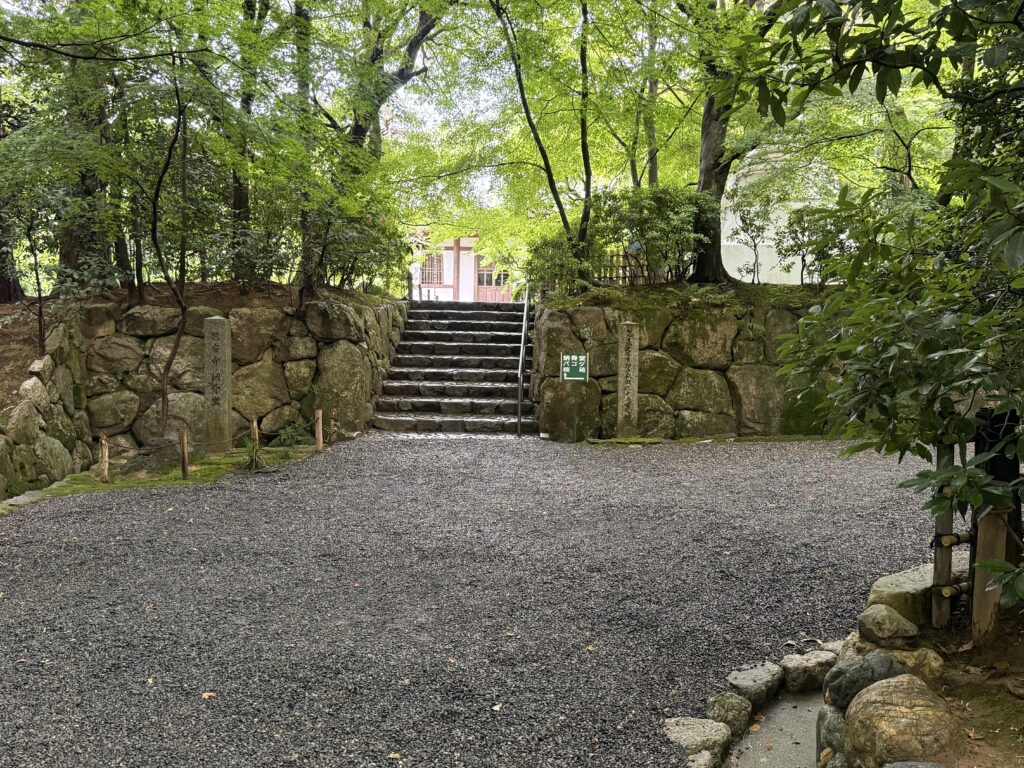
●「西方寺(苔寺)」(Saihoji Temple (moss temple))
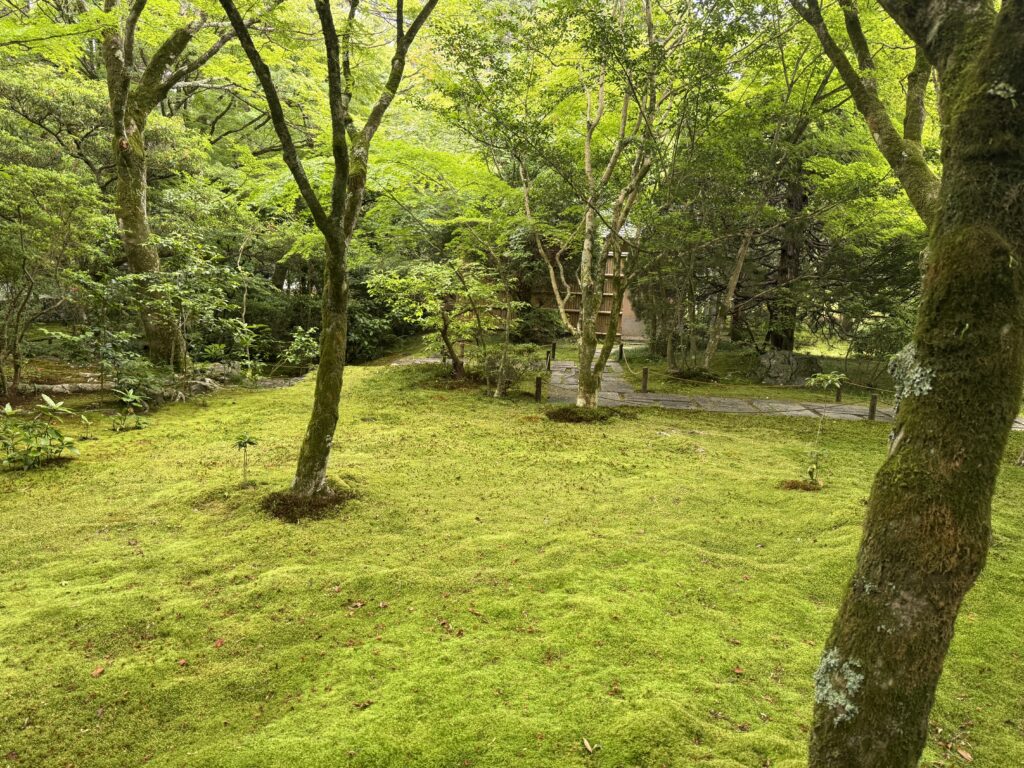
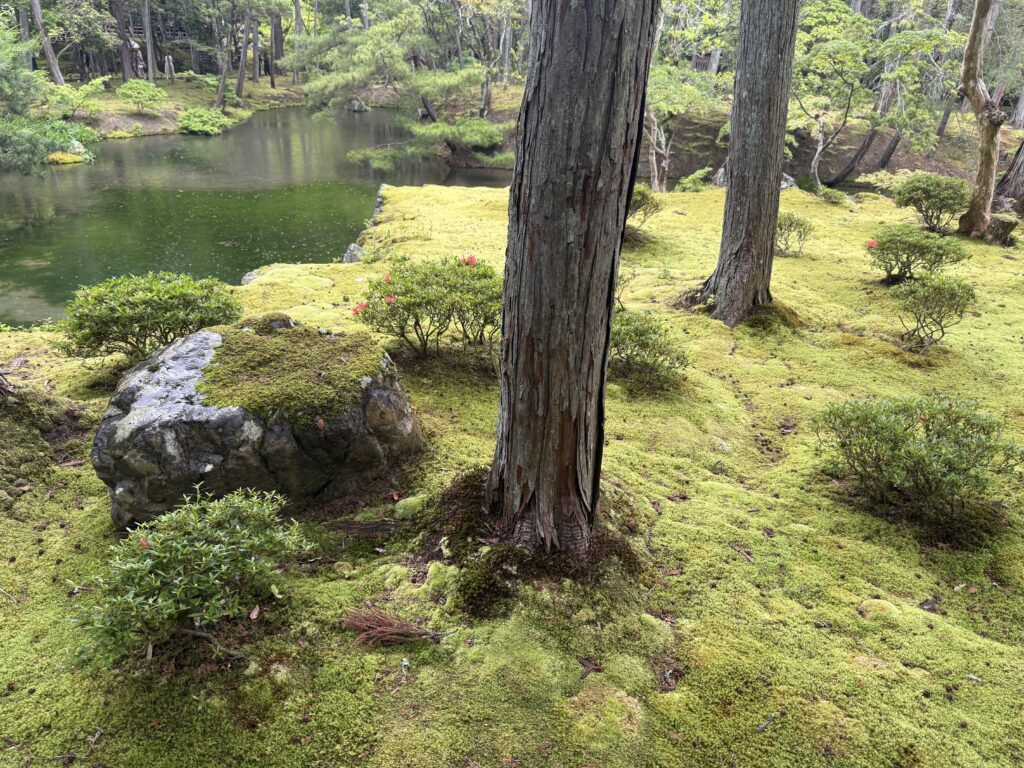
夢窓疎石によって造られた「日本最古の枯山水庭園」。境内を埋め尽くす約120種類の美しい苔から「苔寺」の通称で親しまれています。西方寺は金閣寺や銀閣寺など、数多くの著名な庭園の原形とされた庭園であり、最古にして最上の庭園です。
This is Japan's oldest dry landscape garden, created by Musō Soseki. It's affectionately known as "Moss Temple" due to the approximately 120 varieties of beautiful moss that cover the grounds. Saihōji Temple is considered the prototype for many famous gardens, including Kinkaku-ji and Ginkaku-ji, and is the oldest and finest garden.
夢窓の説法に「志は煙霞(えんか)にあり」とあり、煙霞とは自然のことであり、自然にこそめざすものがあるというのです。また、「山水には得失なし、得失は人の心にあり」すなわち、自然そのものに損得や利害などはない。それらは人の心にあるものです。損得や利害の心を捨てて、山水の四季の移り変わりを修行の手立てとし、真実を求めよというのです。一見する価値ありで、可能であれば最低でも2時間は滞在したいところです。
Musō's teachings include the phrase, "Aspiration lies in mist and haze," meaning that nature itself is the source of one's aspirations. He also states, "There is no gain or loss in mountains and rivers; gain and loss reside in the human heart." In other words, nature itself does not possess concepts of profit or loss, or advantage or disadvantage. These reside in the human heart. He urges us to abandon thoughts of gain and loss, and instead use the changing seasons of the mountains and rivers as a means of spiritual practice, seeking truth. It is well worth a visit, and if possible, you should spend at least two hours there.
一方で、以前、一部の修学旅行生や外国人観光客により、苔を持ち帰る、苔が生えている岩に名前を描く等、苔が著しく減少したことにより、午前中のみの参観及び低年齢の子どもの参観禁止、参観料の値上げを行い、観光客の参観数を制限しています。それでも、国内外からの多くの観光客が訪れていました。
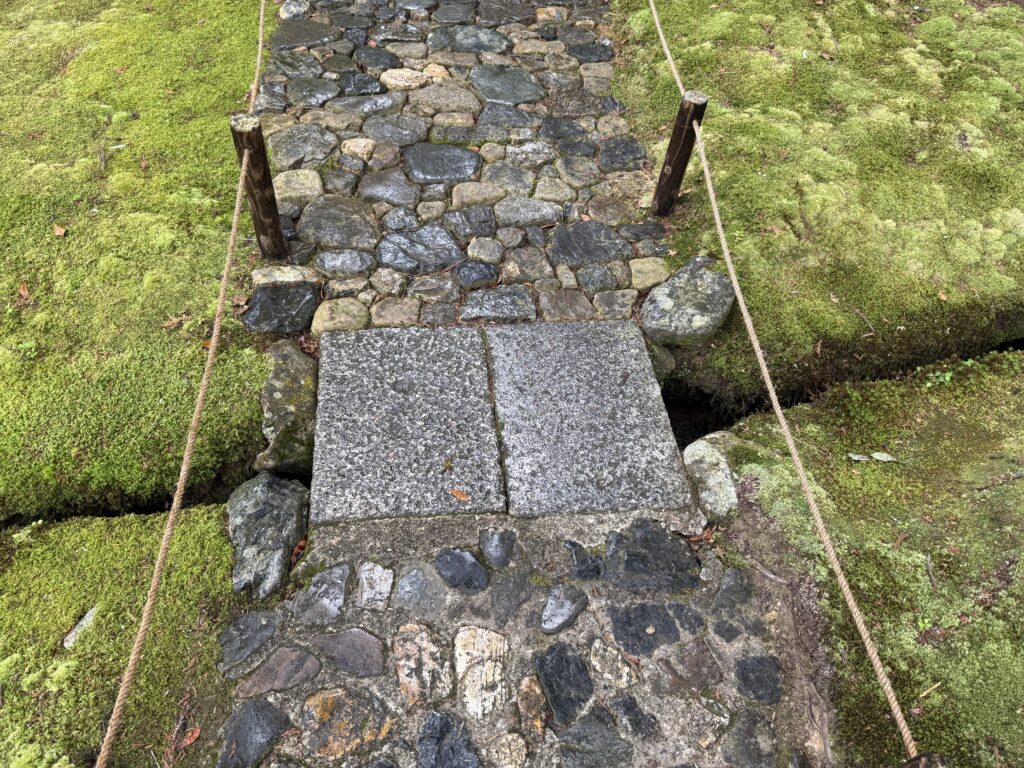
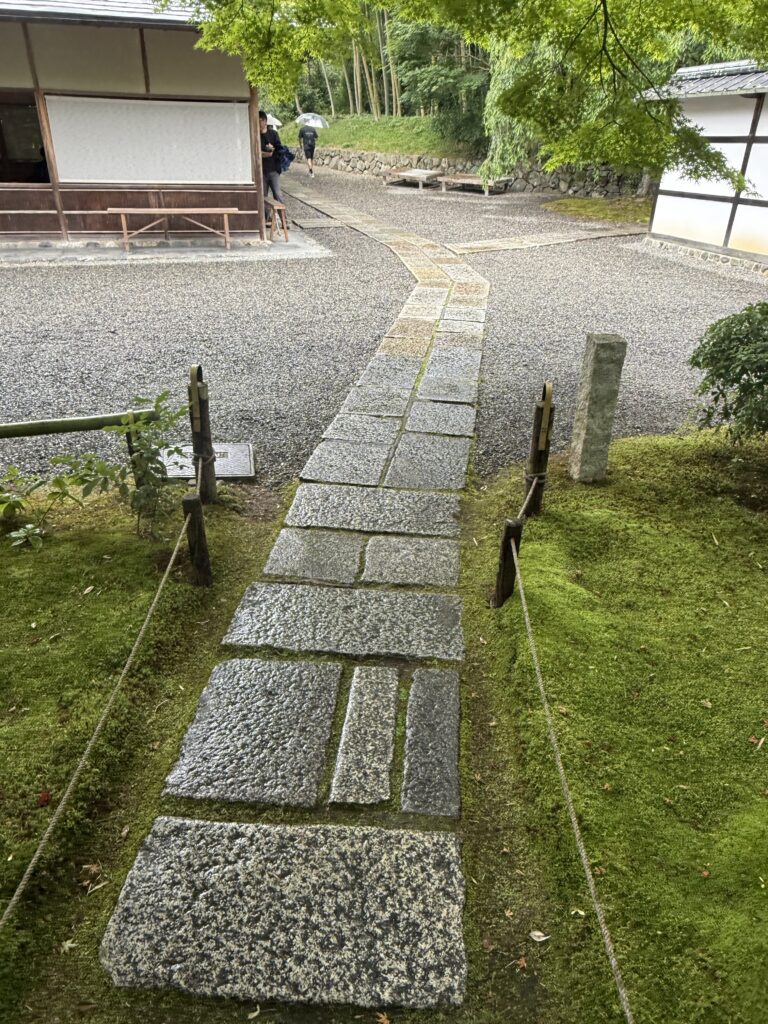
日本庭園の延段で、石の加工度合いや組み合わせによるデザインの格付けで「真・行・草」があり、お寺に向かう通路は「真」、樹木や池がある自然の中では「草」が使い分けされています。
On the other hand, due to a significant decrease in moss caused by some school trip students and foreign tourists taking moss home or writing their names on moss-covered rocks, the number of visitors has been limited to morning hours only, prohibiting young children from visiting, and raising admission fees. Despite these measures, many tourists from both Japan and abroad still visited.
In Japanese gardens, there are three design classifications based on the degree of stone processing and combination: "Shin," "Gyo," and "So." "Shin" is used for pathways leading to temples, while "So" is used in natural areas with trees and ponds.
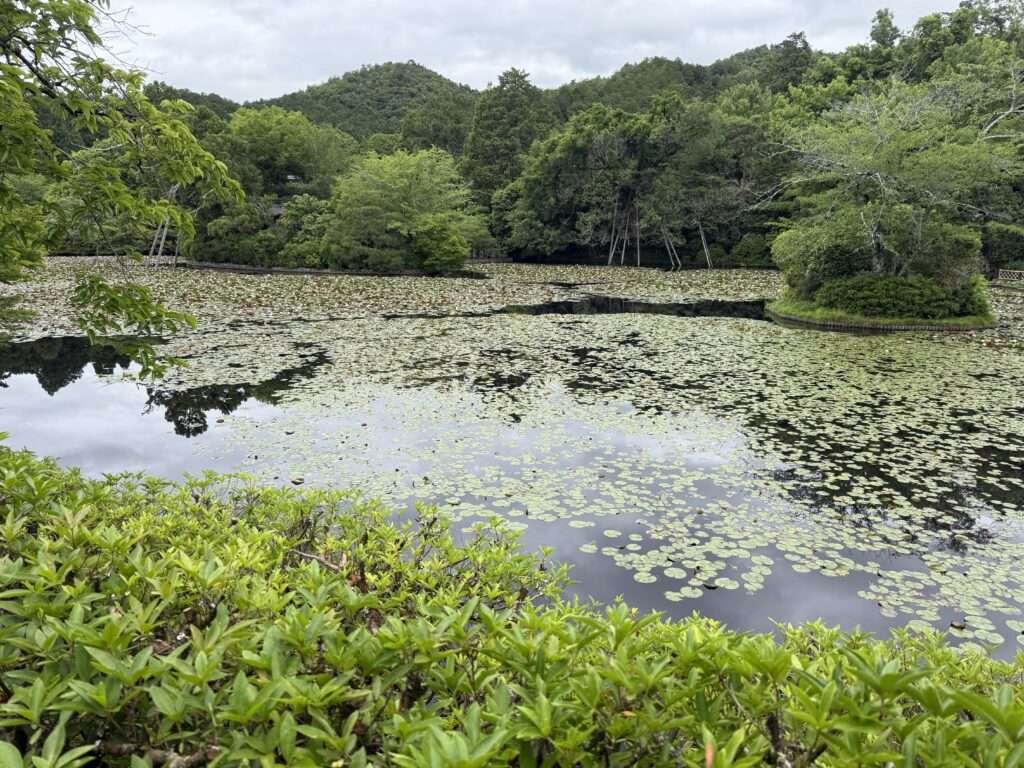
●「天龍寺」(Tenryuji Temple)
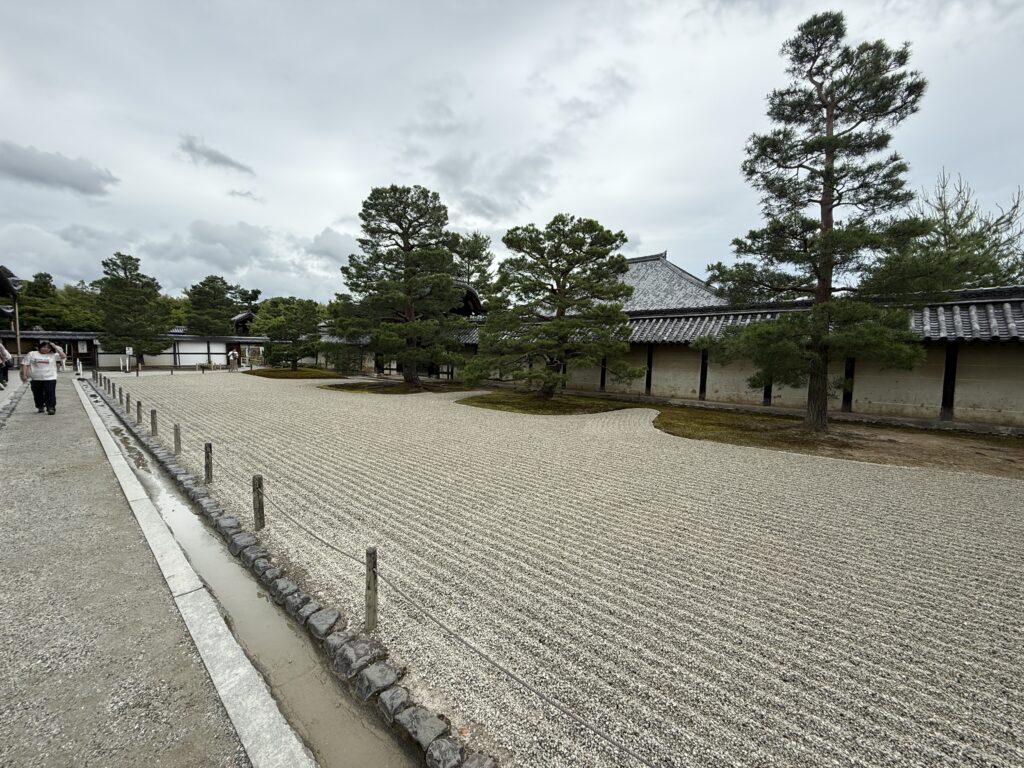
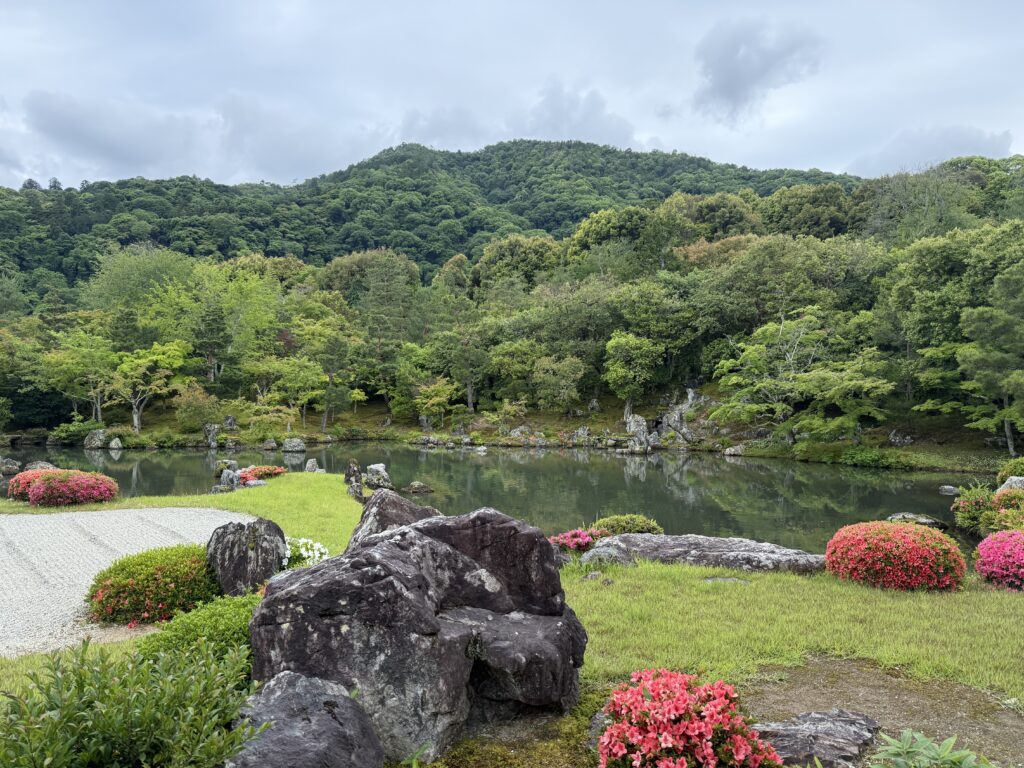
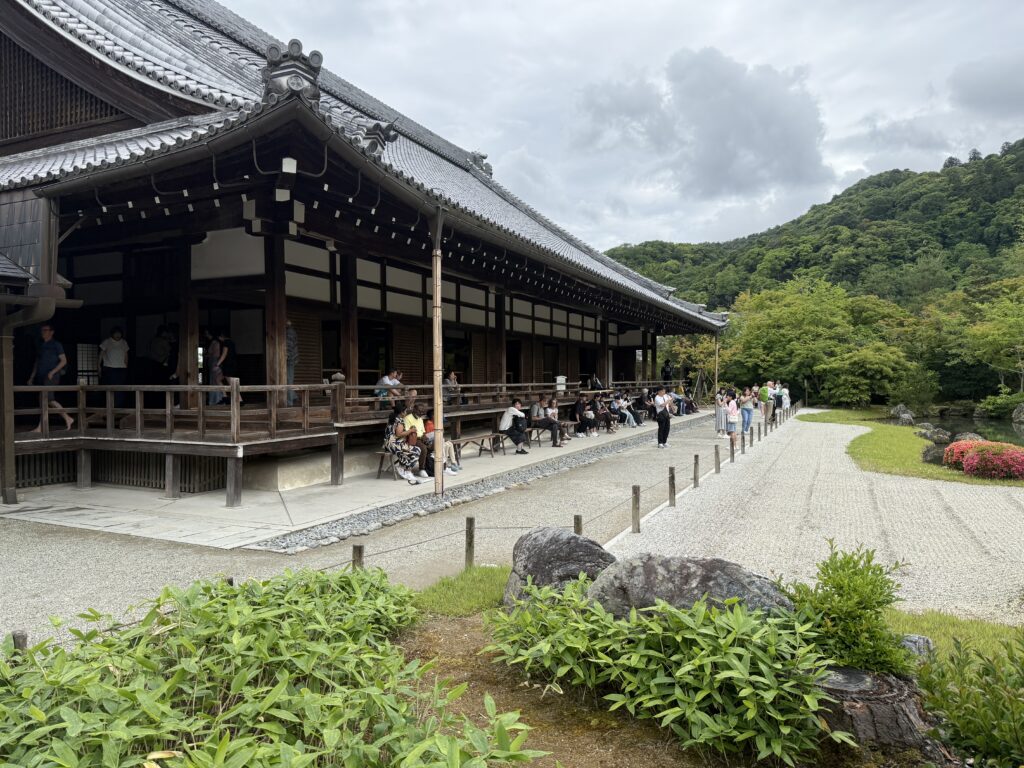
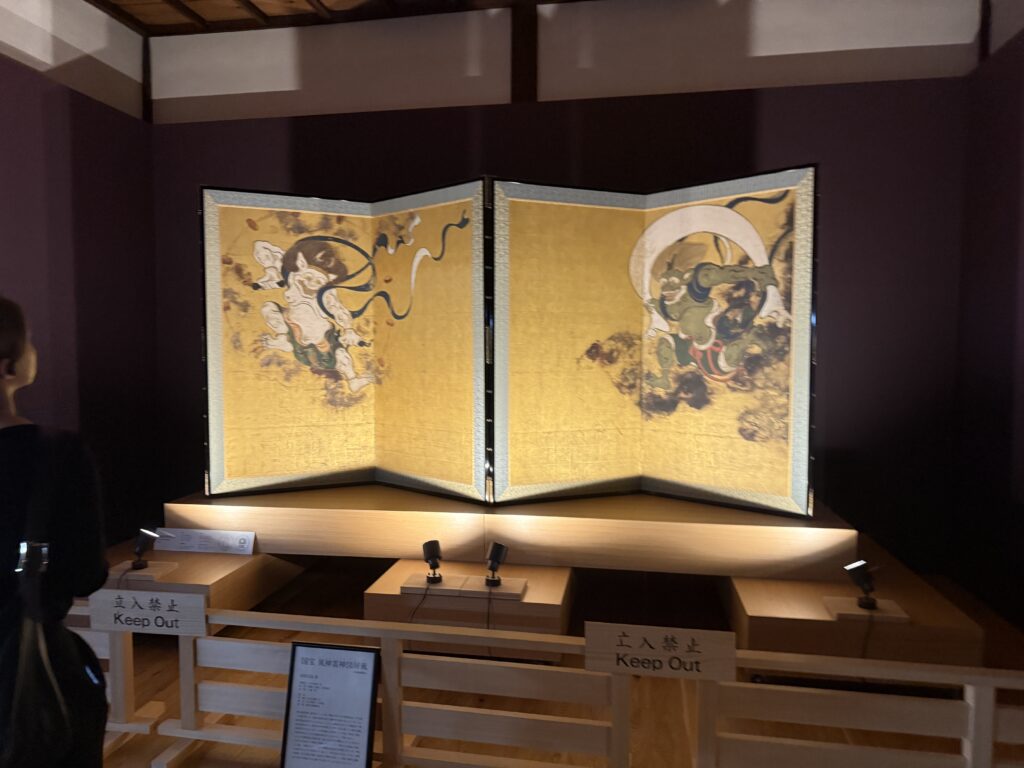
天龍寺は、嵐山の自然を背景にした美しい「曹源池庭園」と、法堂の天井に描かれた迫力ある「雲龍図」で有名です。背後にそびえる嵐山や亀山、小倉山を庭園の一部として取り入れる「借景」の技法を用いた、日本を代表する名庭です。
Tenryu-ji Temple is famous for its beautiful "Sogenchi Garden," set against the backdrop of the Arashiyama landscape, and the impressive "Cloud Dragon Painting" on the ceiling of its main hall. It is one of Japan's most representative gardens, employing the "borrowed scenery" technique, which incorporates the towering Arashiyama, Kameyama, and Ogurayama mountains into the garden as part of its design.
●「嵐山竹林の小径」(Arashiyama Bamboo Grove Path)
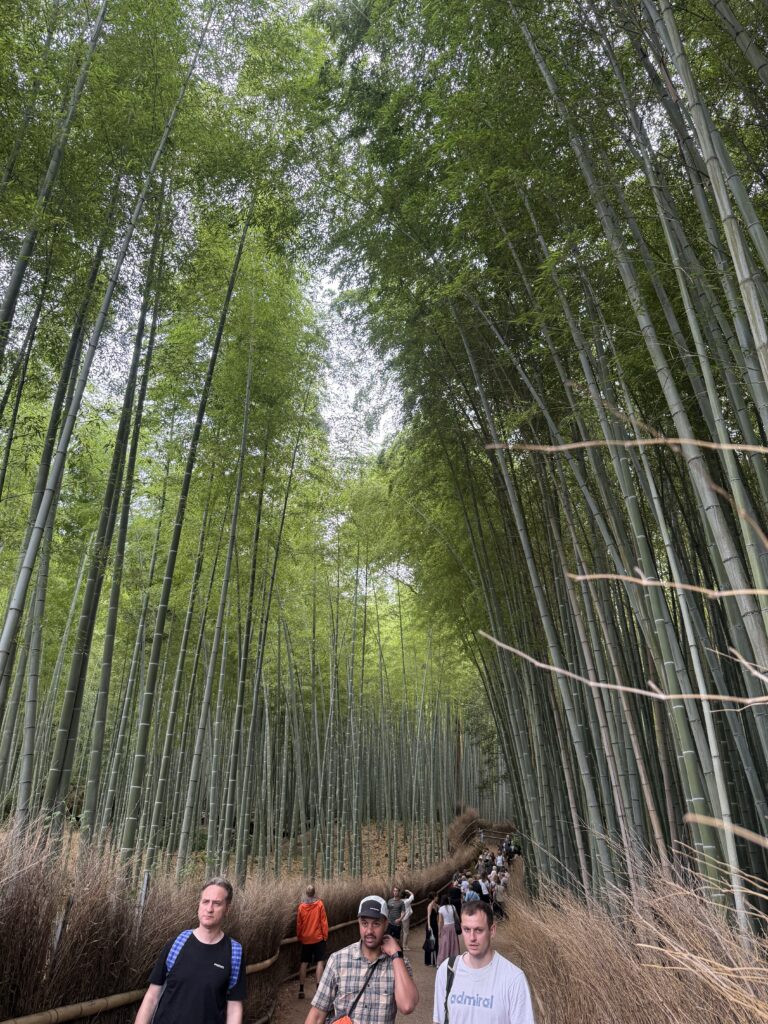
高く伸びる竹林がシンボル的で美しいところです。かつては静寂な散策路でしたが、現在は落書きなどのマナー問題も発生するなど、オーバーツーリズムが深刻化しています。
This place is beautiful and symbolic of its towering bamboo groves. It was once a tranquil walking trail, but now overtourism is becoming a serious problem, with issues such as graffiti and other etiquette problems occurring.
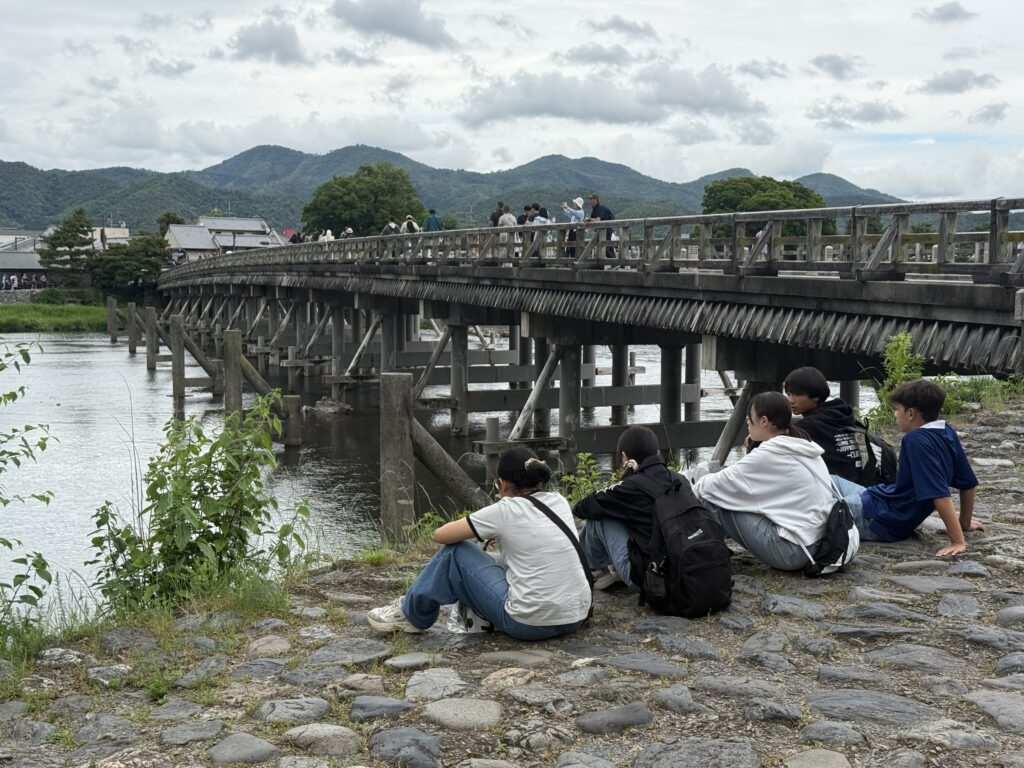
●「 渡月橋」(Togetsukyo Bridge)
橋の背景には雄大な嵐山(小倉山)がそびえ、桂川の清流とともに夏の新緑を楽しめます。橋周辺の穏やかな川音や美しい風景は、多くの観光客にとって癒やしのひとときとなっています。
With the majestic Arashiyama (Ogurayama) towering in the background of the bridge, visitors can enjoy the fresh summer greenery along with the clear waters of the Katsura River. The gentle sound of the river and the beautiful scenery around the bridge provide a moment of tranquility for many tourists.
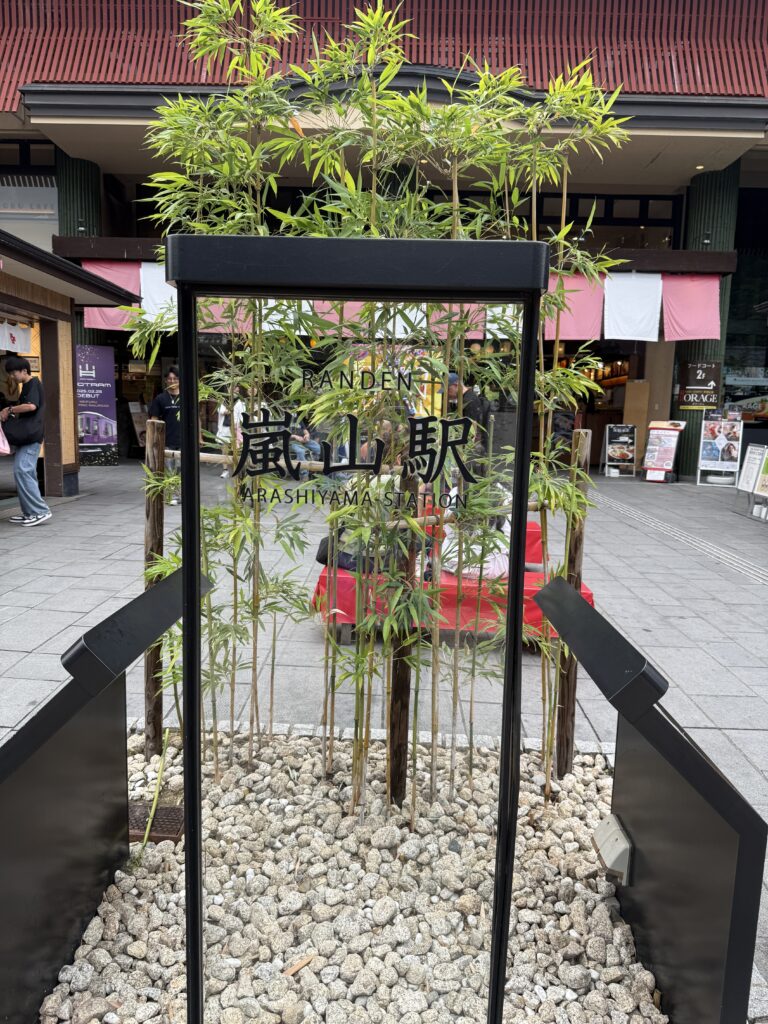
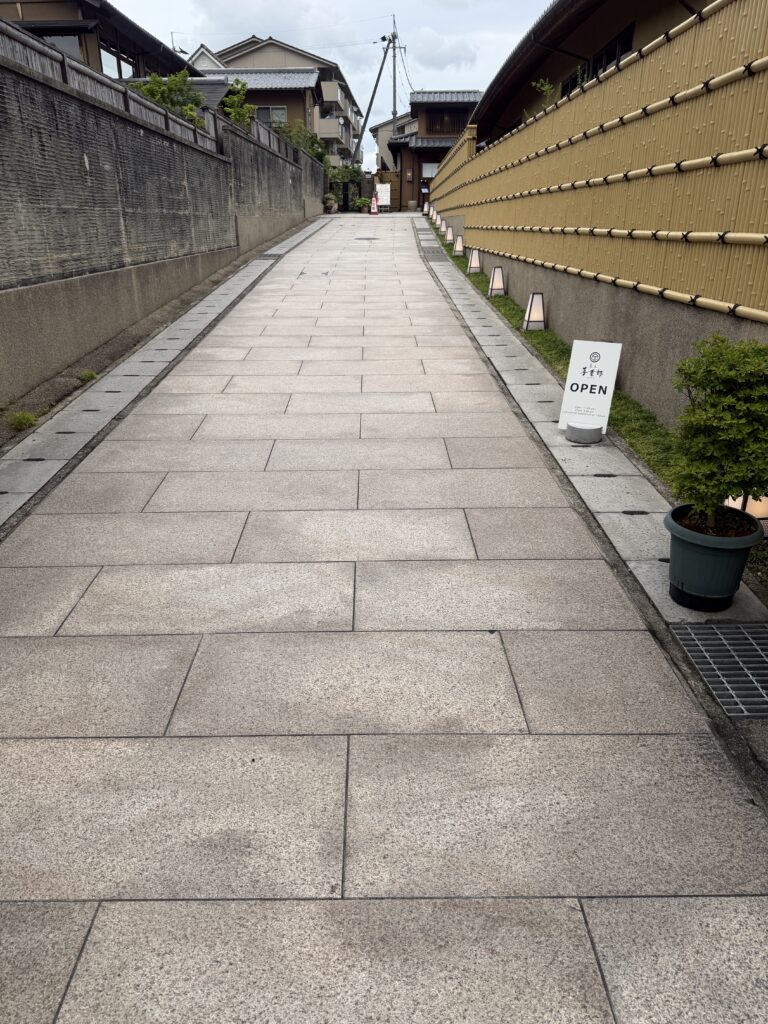
●駅のサイン 嵐山駅前のサインです。日本庭園にある竹と石の素材に対して、現代的なガラス素材と、伝統的な素材と現代的な素材の対比があるものの、洗練された和モダンな空間となっています。
This is a sign for Arashiyama Station. While there is a contrast between traditional and modern materials, such as bamboo and stone found in Japanese gardens, and contemporary glass materials, the space has a sophisticated Japanese modern feel.
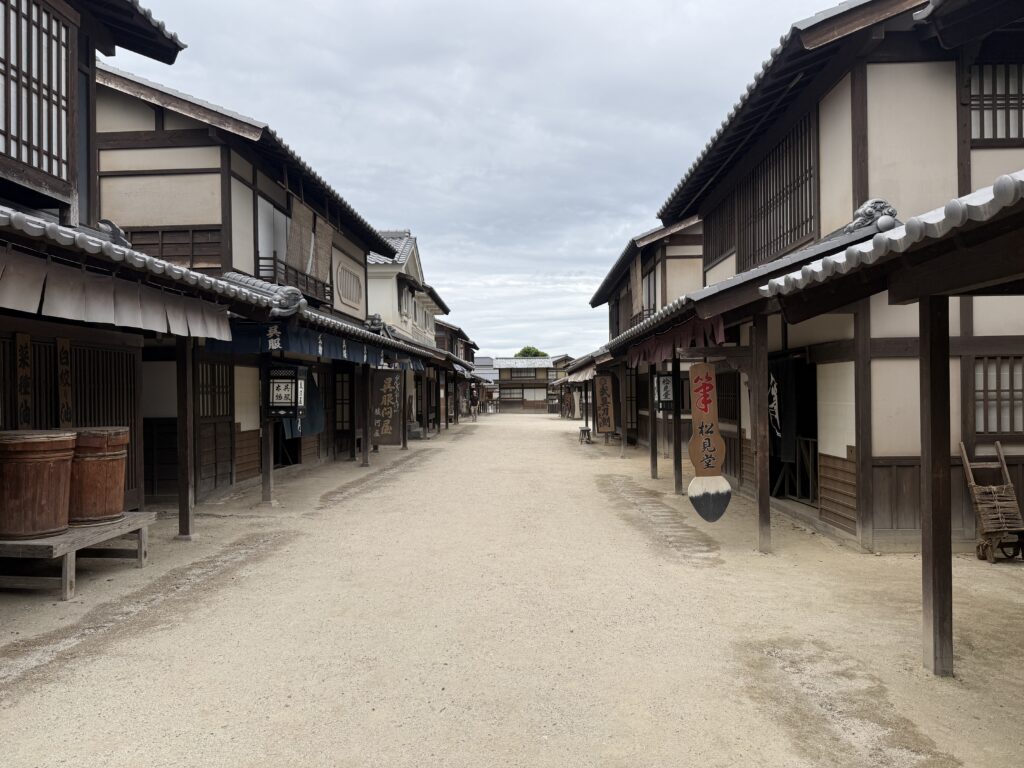
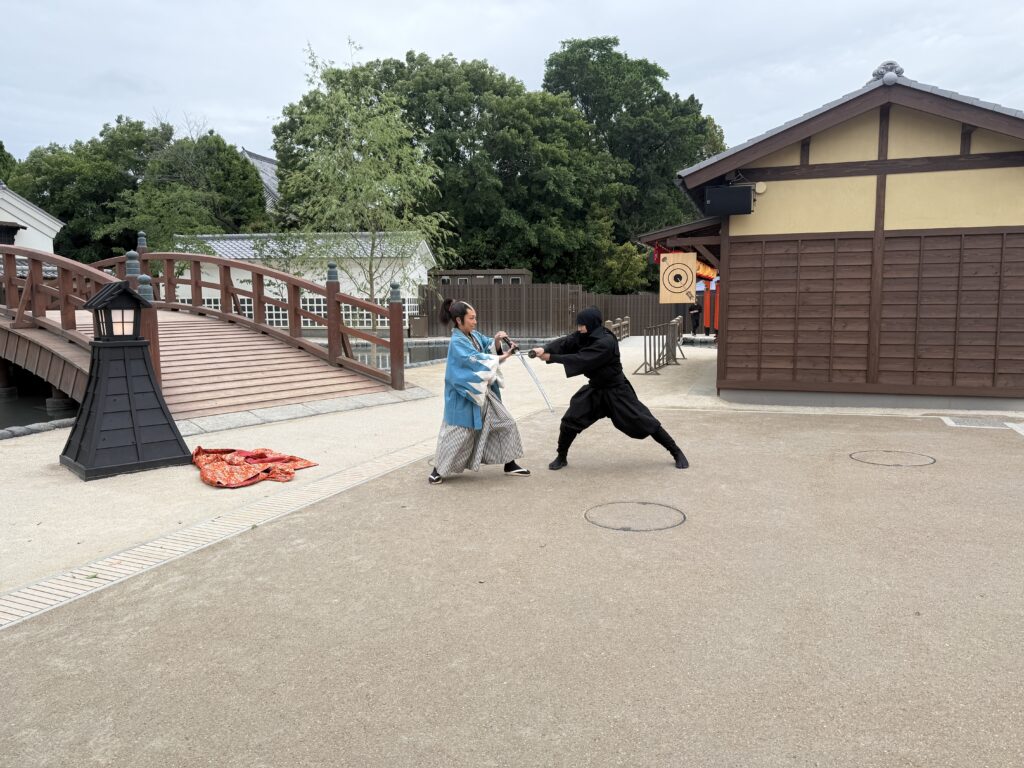
●「太秦映画村」(Toei Kyoto Studio Park)
今年で50周年を迎えた「太秦映画村」において、施設全体のフルリニューアルを進めており、2026年3月28日(土)に第1期リニューアルオープンしました。時代劇ファンには堪らない、江戸時代の京へ迷い込む大人の没入体験パークです。
Toei Kyoto Studio Park, which is celebrating its 50th anniversary this year, is undergoing a complete renovation of the entire facility, and the first phase of the renovations reopened on Saturday, March 28, 2026. It is an immersive experience park for adults that will make fans of period dramas feel like they have stepped into Edo-period Kyoto.
【2日目】(2 days)
●「龍安寺」(Ryoan-ji Temple)
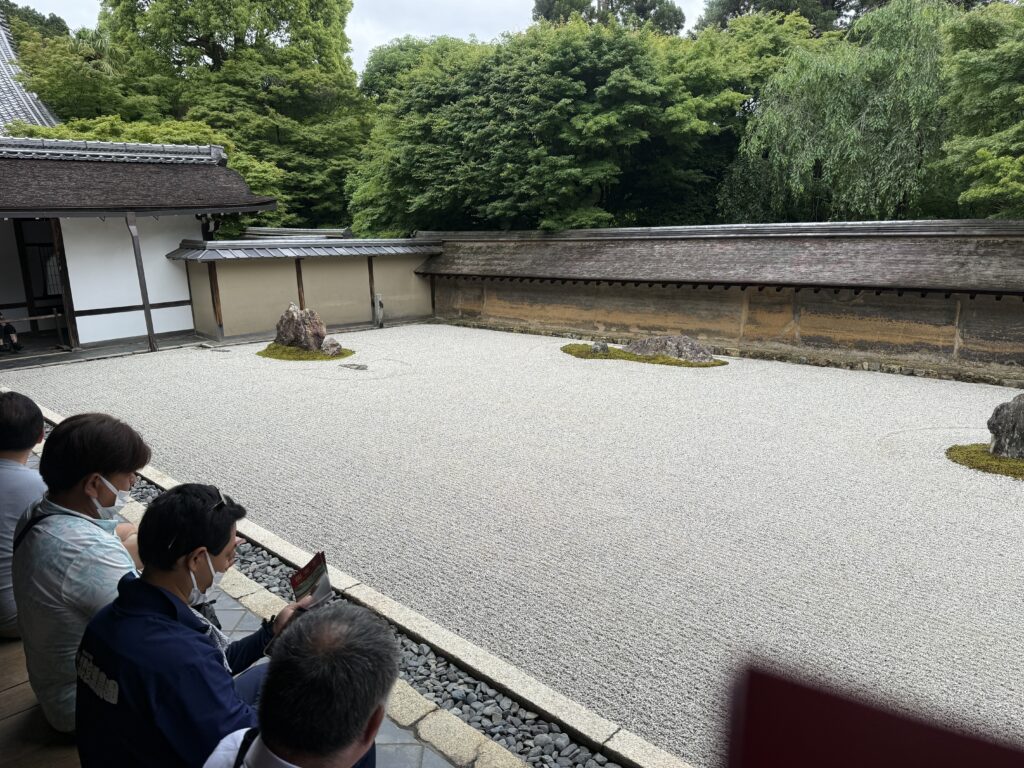
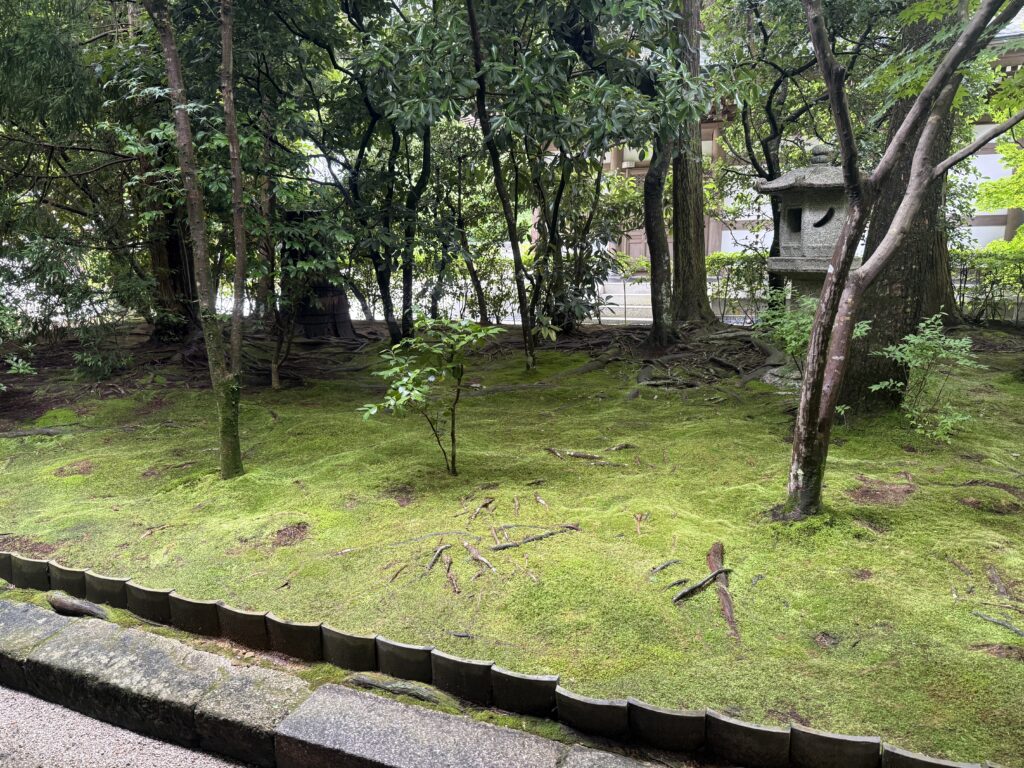
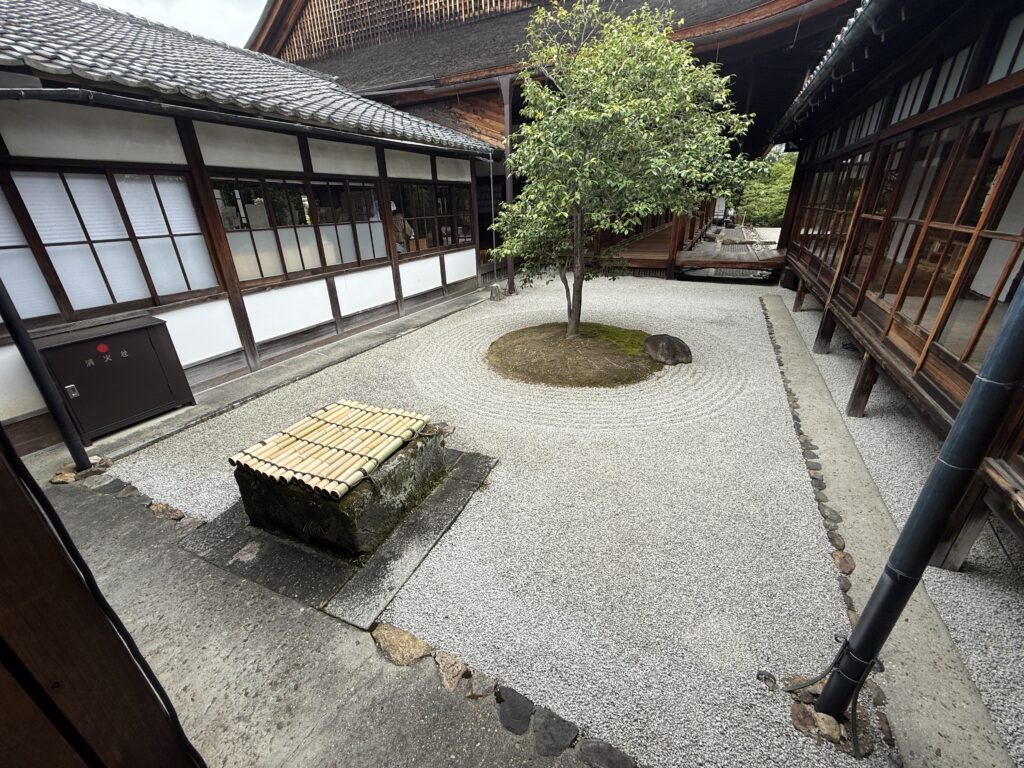
方丈南側の枯山水庭園(特別名勝)が石庭として名高いところです。幅約25メートル、奥行き約10メートルの長方形の庭園で広くありませんが、三方から囲む「油土塀」は、単なる仕切りではなく、庭園の美しさと保存性を支える重要な構成要素です。また、縁側から庭園をみると柄の高さは同じように見えますが、手前の壁は高く、奥の壁は低いと遠近法の手法が使われ、奥行きのある広さを感じます。
15個の石が 5・2・3・2・3 の5つの群に分かれて配置されています。これは、中国の故事「虎の子渡し(母虎が3匹の子虎を連れて川を渡る際、途中でヒョウに襲われないよう知恵を絞って無事に渡りきったという説話)」にちなむとされています。15個の石は、庭のどこから眺めても必ず1つは他の石の陰に隠れてしまい、同時に15個すべてを見渡すことができないように設計されているという神秘的な造りになっています。東側から「7・5・3」の数で石が配置されていることから、別名「七五三の庭」とも呼ばれています。ちなみに、この石庭が美しいのか美しくないのか、またこの造形は何を意味しているのか、はっきり答えることができた者は、今だかつてひとりもいないそうで、答えのない謎の石庭です。
The dry landscape garden (a special scenic spot) on the south side of the Hojo (abbot's quarters) is renowned as a rock garden. While not large, being a rectangular garden approximately 25 meters wide and 10 meters deep, the surrounding "oil-walled fences" are not merely partitions but crucial elements supporting the garden's beauty and preservation. Furthermore, while the height of the stones appears uniform when viewed from the veranda, the use of perspective—higher walls in the foreground and lower walls in the background—creates a sense of depth and spaciousness.
The 15 stones are arranged in five groups of 5, 2, 3, 2, and 3. This is said to be inspired by the Chinese legend of "The Tiger Crossing the River" (a story of a mother tiger and her three cubs crossing a river, cleverly avoiding an attack by a leopard along the way). The 15 stones are designed in such a mystical way that no matter where you view them from, at least one is always hidden behind another, making it impossible to see all 15 at once. Because the stones are arranged in the order of "7, 5, and 3" from east to west, it is also known as the "Seven-Five-Three Garden." Incidentally, it is said that no one has ever been able to definitively answer whether this rock garden is beautiful or not, or what its arrangement means, making it a mysterious rock garden with no answers.
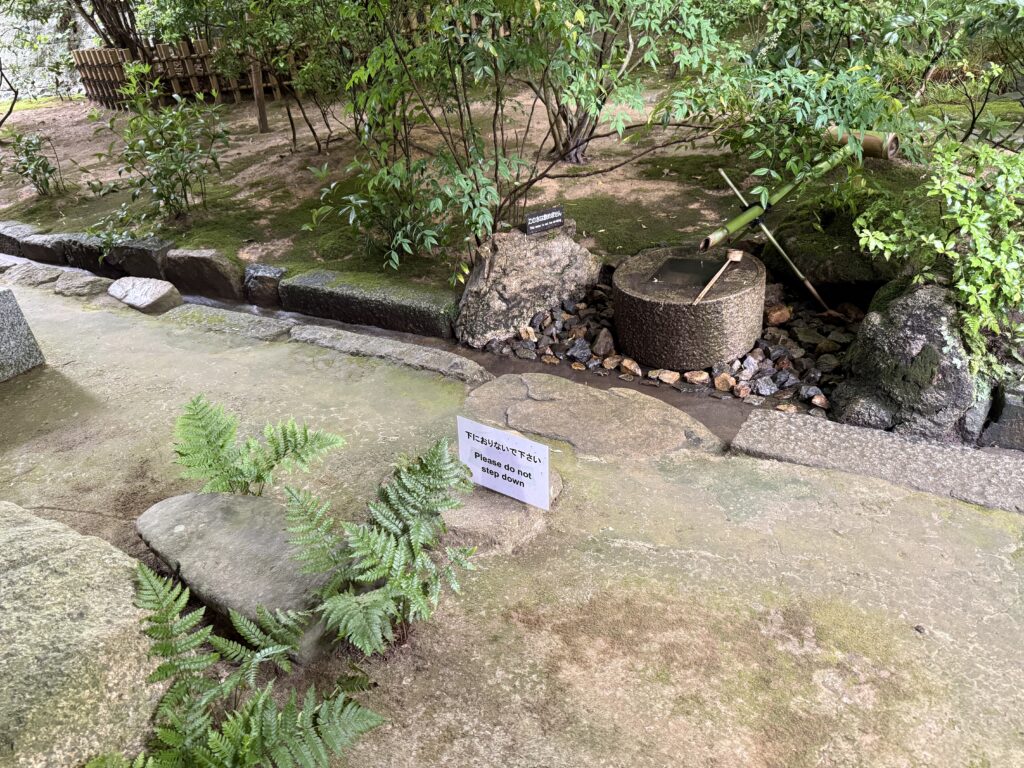
龍安寺の方丈北東側にある有名な茶室「蔵六庵」の露地に置かれている知足の蹲踞には、「吾唯足知(ワレ タダ タルヲ シル)」が刻まれています。水が溜まる中央の四角い穴を「口(くち)」という漢字に見立て、その周囲の4つの文字「五・隹・疋・矢」と組み合わせることで、「吾・唯・足・知」という4つの漢字が完成する見事な図案(漢字のパズル)になっています。「吾唯足知」とは、自分はすでに満ち足りていることを知る」という意味の仏教用語(禅語)です。現状に不満を抱かず、今あるものや環境に感謝し満足する心を持つことが、本当の心の豊かさや幸せにつながるという教えを説いています。
龍安寺勅使門は「こけら葺(薄い木板を重ねた屋根)」の美しい曲線美が特徴で、国の重要文化財に指定されています。普段は閉め切られており、一般の参拝者は横の通用門から入ります。
The Chishoku Tsukubai (stone basin) located in the garden of the famous Zouroku-an tea house on the northeast side of the Hojo (abbot's quarters) of Ryoan-ji Temple bears the inscription "Ware Tada Taru o Shiru" (I know only contentment). The central square hole where the water collects is likened to the kanji character "kuchi" (mouth), and when combined with the four surrounding characters "go" (five), "sui" (five), "hiki" (blade), and "ya" (arrow), the four characters "Ware Tada Taru o Shiru" (I know only contentment) are completed, forming a magnificent design (a kanji puzzle). "Ware Tada Taru o Shiru" is a Buddhist term (Zen phrase) meaning "I know that I am already content." It teaches that true inner richness and happiness come from not harboring dissatisfaction with the present situation, but instead being grateful for and content with what one has and one's environment.
The Ryoan-ji Imperial Messenger Gate is characterized by the beautiful curves of its "kokerabuki" (a roof made of thin wooden planks) and is designated as a National Important Cultural Property. It is usually closed off, and general visitors enter through a side gate.
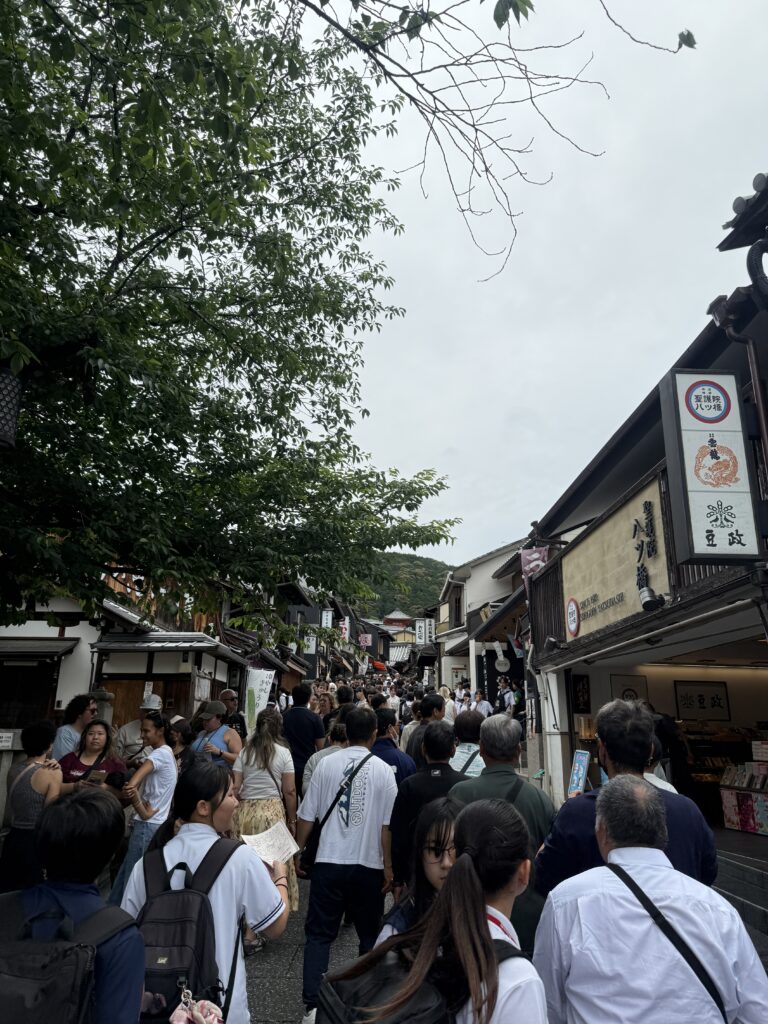
●「産寧坂」(Sannenzaka)
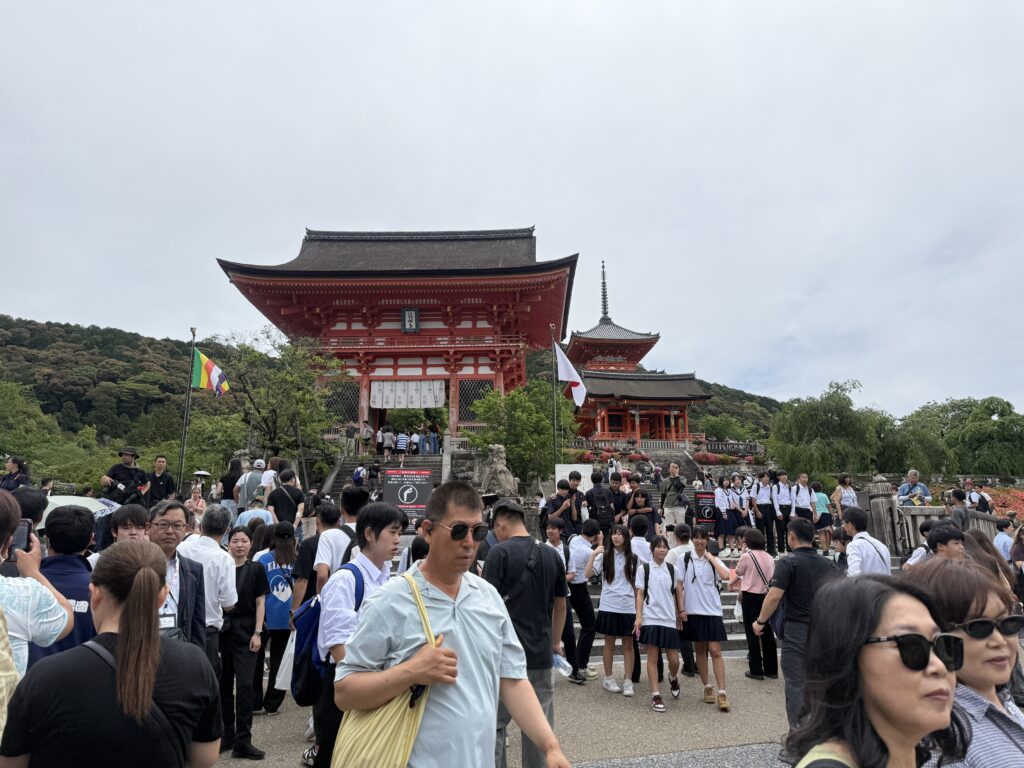
産寧坂は、清水寺へと向かう東山の傾斜地に作られた階段状の坂道です。ゴールデンウィークは終わり、今シーズンの中では閑散期のようですが、人混みで歩くことも困難な状況です。
Sannenzaka is a stepped slope built on the hillside of Higashiyama, leading to Kiyomizu-dera Temple. Although Golden Week is over and it seems to be the off-season for this time of year, it is still crowded and difficult to walk.
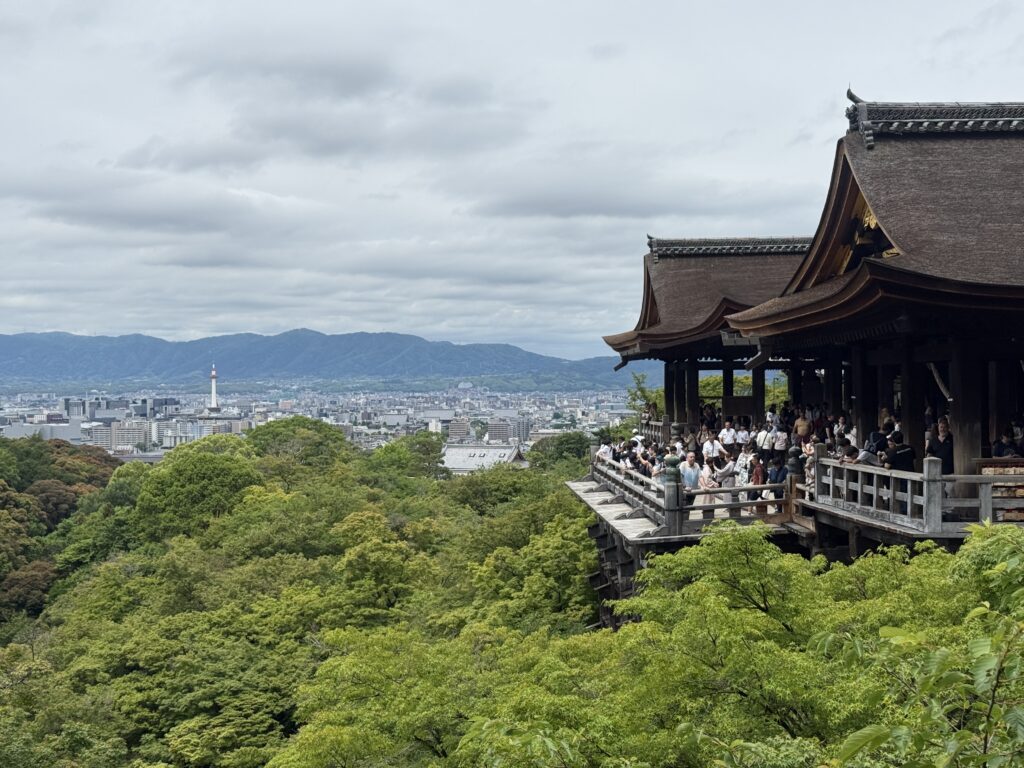
●「清水寺」(Kiyomizu-dera Temple)
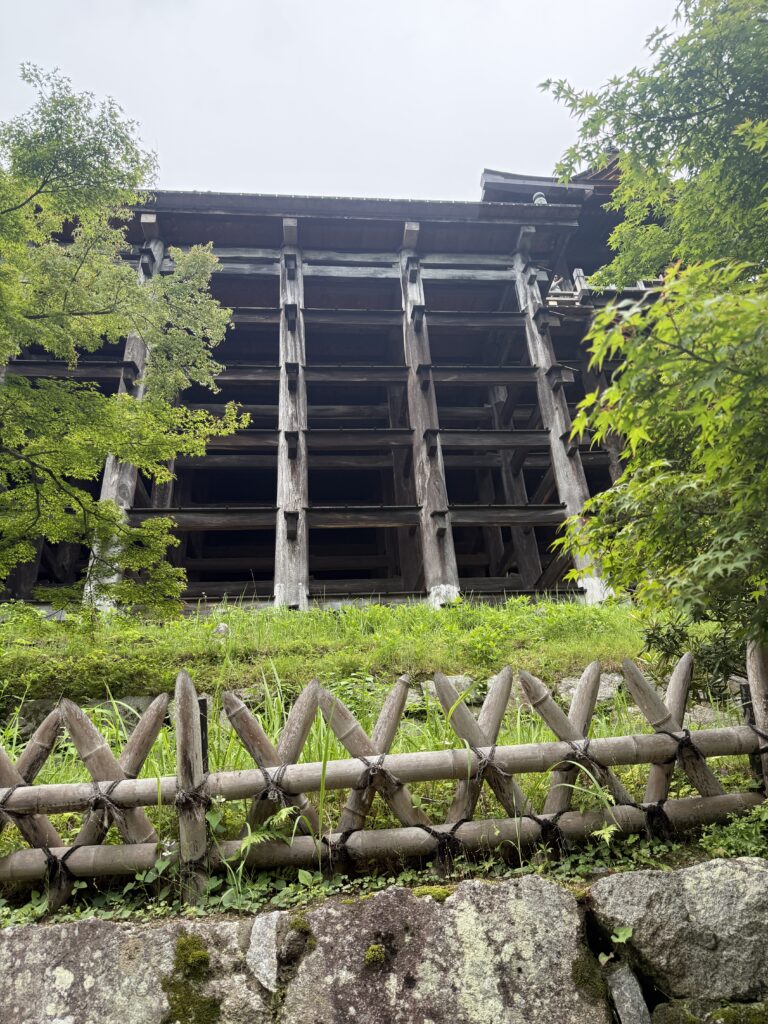
崖から大きく突き出た構造が最大の特徴で、清水の舞台から飛び降りる」という ことわざでも全国的に知られ、日本を代表する寺院の1つです。釘を1本も使わずに、139本の巨大な欅(けやき)の柱を格子状に組み上げる「懸造り(かけづくり)」という伝統技法で建てられています。奥の方から朽ちやすいようで、定期的に新しい木材に入れ替えているようです。
Its most distinctive feature is its structure, which juts out dramatically from a cliff, and it is one of Japan's most representative temples, famously known nationwide through the proverb "to jump off the stage of Kiyomizu Temple." It is built using a traditional technique called "kakezukuri," in which 139 massive zelkova pillars are assembled in a lattice pattern without using a single nail. It seems that the pillars tend to rot from the back, so they are regularly replaced with new wood.
修学旅行シーズンで多くの観光客が訪れていました。真夏の暑さは歩けないほど暑いそうです。(気温25度前後と涼しい時期に訪れてよかったです)
It was the school trip season, so there were many tourists visiting. Apparently, it gets so hot in the middle of summer that it's almost impossible to walk. (I'm glad I visited during a cooler time of year, with temperatures around 25 degrees Celsius.)
建仁寺近くの帝国ホテル京都は、国の登録有形文化財「弥栄会館」の一部を保存・活用して今年の3月に開業しました。建築物の高さ制限が厳しい京都市ですが、一部は文化財であることもあり、高さが緩和されているそうです。ちなみに、京都駅の再開発で高さや規模に対して市民などから反対していることがニュースになっていましたが、これだけ多くの観光客が京都に訪れているので必要なことではないかという意見もあるようです。
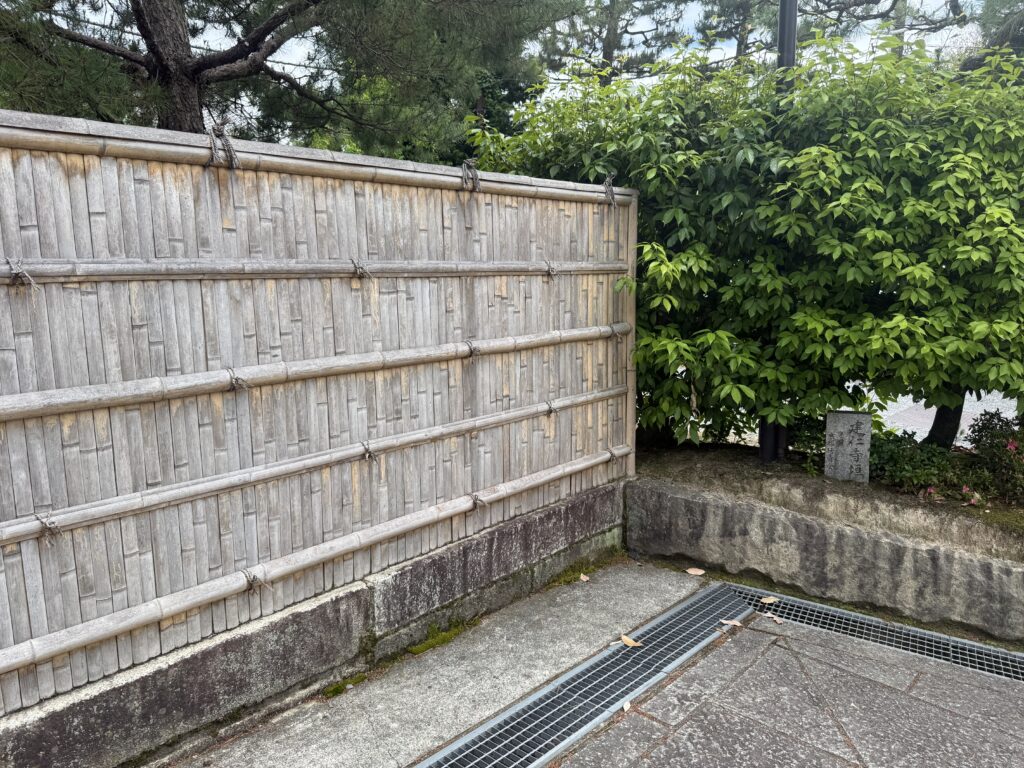
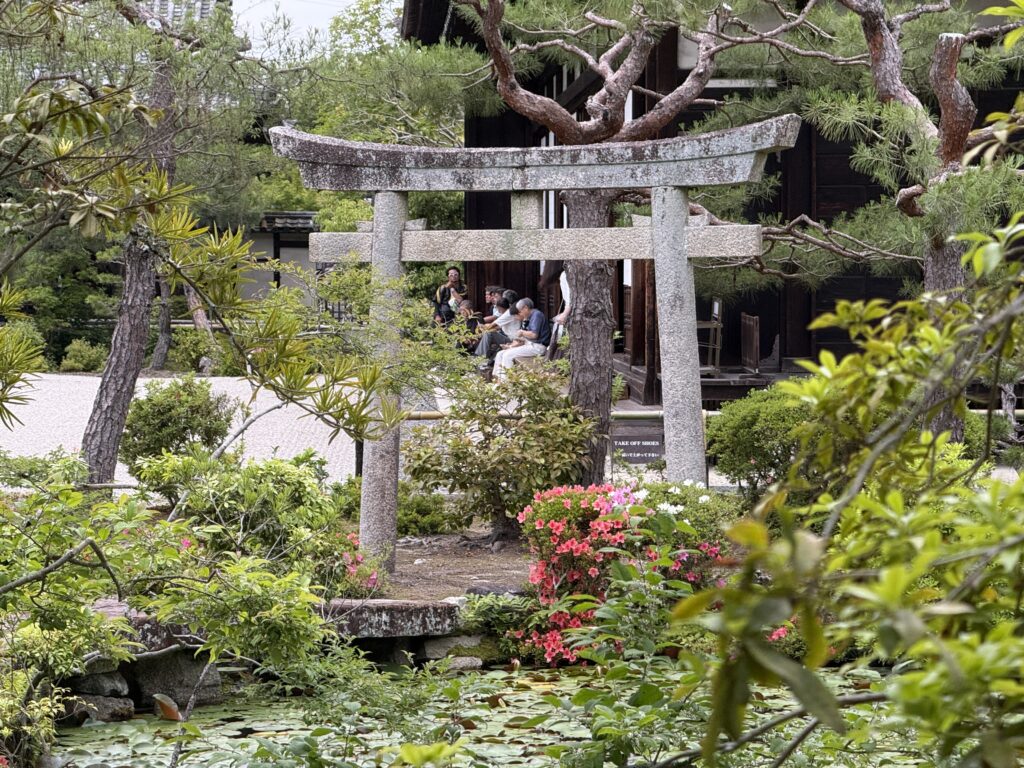
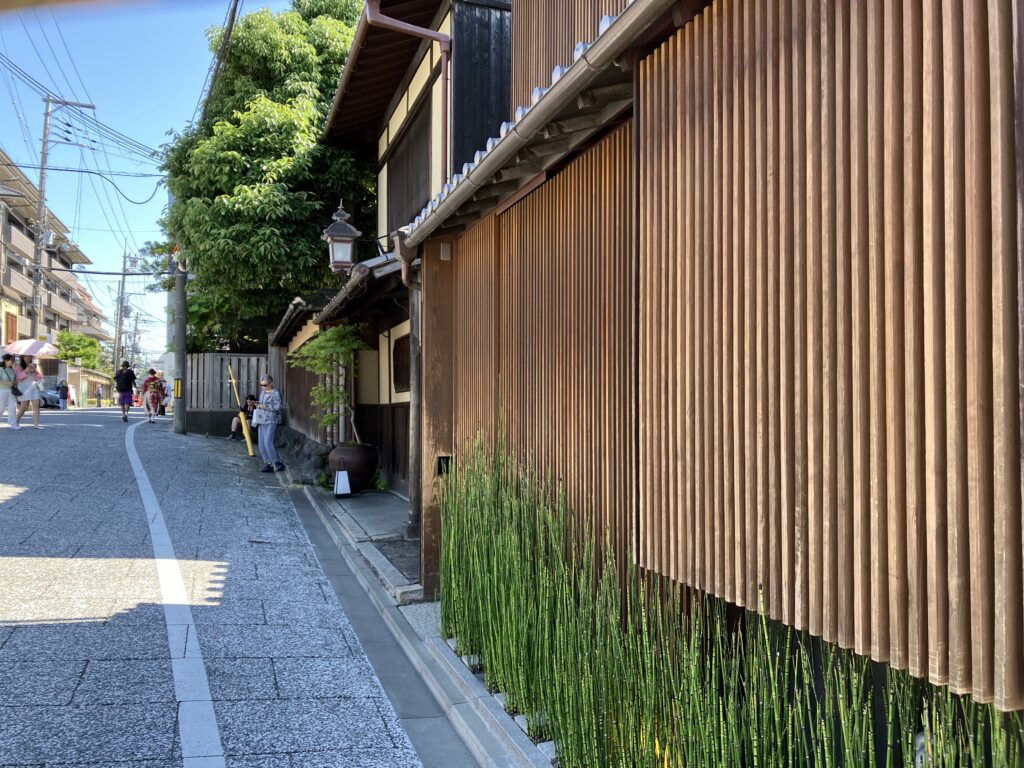
金具で打たれた竹垣は隙間がありません。一つひとつ竹を鉋等で削り丁寧に合わせてとてもきれいです。また、松も一般的な大きな幹をもつ松と違い、枝が多い松(傘のように広がる「多行松(タギョウショウ)」)ですが、繊細な細い枝が幾重にも重なることで、京都の寺院らしい優美で柔らかな雰囲気を醸し出しています。
The Imperial Hotel Kyoto, located near Kenninji Temple, opened in March of this year, utilizing a portion of the "Yasaka Kaikan," a nationally registered tangible cultural property. While Kyoto City has strict height restrictions on buildings, it seems that the height limit is relaxed because part of the building is a cultural property. Incidentally, there has been news about opposition from citizens regarding the height and scale of the Kyoto Station redevelopment, but some argue that it is necessary given the large number of tourists visiting Kyoto.
The bamboo fence, fastened with metal fittings, has no gaps. Each piece of bamboo is carefully planed and fitted together, resulting in a very beautiful finish. Furthermore, the pine trees, unlike typical large-trunk pines, are multi-branched ("Tagyosho") varieties that spread out like an umbrella. The delicate, slender branches overlap in layers, creating an elegant and soft atmosphere characteristic of Kyoto temples.
●京都の剪定(Pruning in Kyoto)
庭師による伝統技術「みどり摘み」毎年春から初夏にかけて、庭師が手作業で余分な新芽を摘み取る「みどり摘み(もみあげ)」などの繊細な剪定が行われています。これにより、枝が混み合いすぎず、五葉松や赤松の美しい枝ぶり(樹形)の隙間から、清水の舞台や四季の景色が「絵画の額縁」のように覗く風情ある空間が維持されています。
Traditional gardening technique "Midori-tsumi" Every year from spring to early summer, gardeners perform delicate pruning such as "Midori-tsumi" (or "Momiage"), in which excess new shoots are removed by hand. This prevents the branches from becoming too crowded, maintaining a charming space where the beautiful branch shapes (tree forms) of the Japanese white pine and Japanese red pine allow glimpses of the Kiyomizu Temple stage and the scenery of the four seasons to be seen like a "picture frame."
●「建仁寺」(Kenninji Temple)
「建仁寺垣(竹垣)」でも知られていますが、お寺自体の境内には教科書でおなじみの国宝をはじめとする、数多くの美術品や禅の思想が詰まった庭園、日本の「茶の湯」の発祥地などの見どころが多いところです。
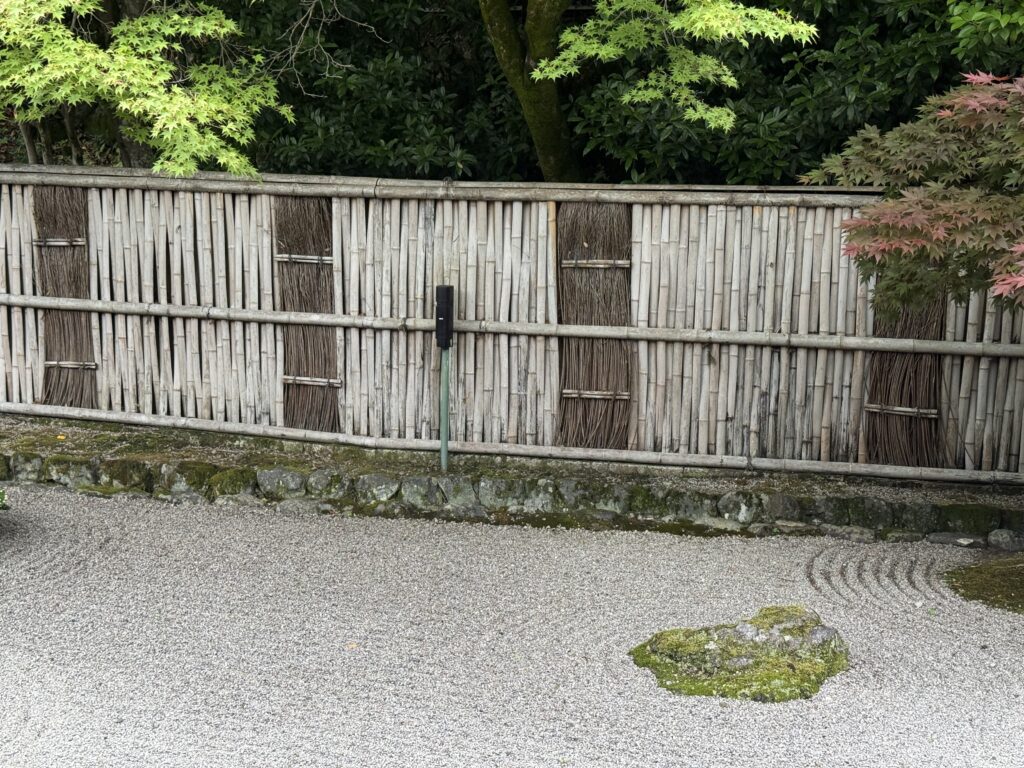
建仁寺垣とは、建仁寺で最初に作られたことからその名が付き、竹垣の構造基準(スタンダード)として全国に普及しています。技能試験で建仁寺垣を制作しなければなりません。
While it is also known for its "Kenninji-gaki (bamboo fence)," the temple grounds themselves are home to many attractions, including numerous works of art, such as national treasures familiar from textbooks, gardens filled with Zen philosophy, and the birthplace of the Japanese "tea ceremony."
The Kenninji-gaki gets its name from the fact that it was first built at Kenninji Temple, and it has spread throughout Japan as a standard for bamboo fence construction. For the skills test, you must construct a Kenninji-style fence.
宇宙の根源を表すモダンな庭である「○△□乃庭」は、2006年に作られ、一見するとデザイン性の高いモダンアートのようですが、「この3つの形(地・水・火)から万物が生まれ、またそこへ還っていく」という深い禅の哲学が込められています。
四方どこから見ても美しい中庭である「潮音庭(ちょうおんてい)」は、東・西・南・北のどの書院や回廊から眺めても、完全に調和した一枚の絵画のように美しく見えるよう計算されて作られています。
"The Garden of Circles, Triangles, and Squares," a modern garden representing the origins of the universe, was created in 2006. At first glance, it looks like a highly designed piece of modern art, but it embodies a profound Zen philosophy: "All things are born from these three shapes (earth, water, and fire), and return to them."
The "Tidal Sound Garden," a courtyard beautiful from all four directions, is meticulously designed to appear as a perfectly harmonious painting, regardless of which of the east, west, south, or north-facing study halls or corridors it is viewed from.
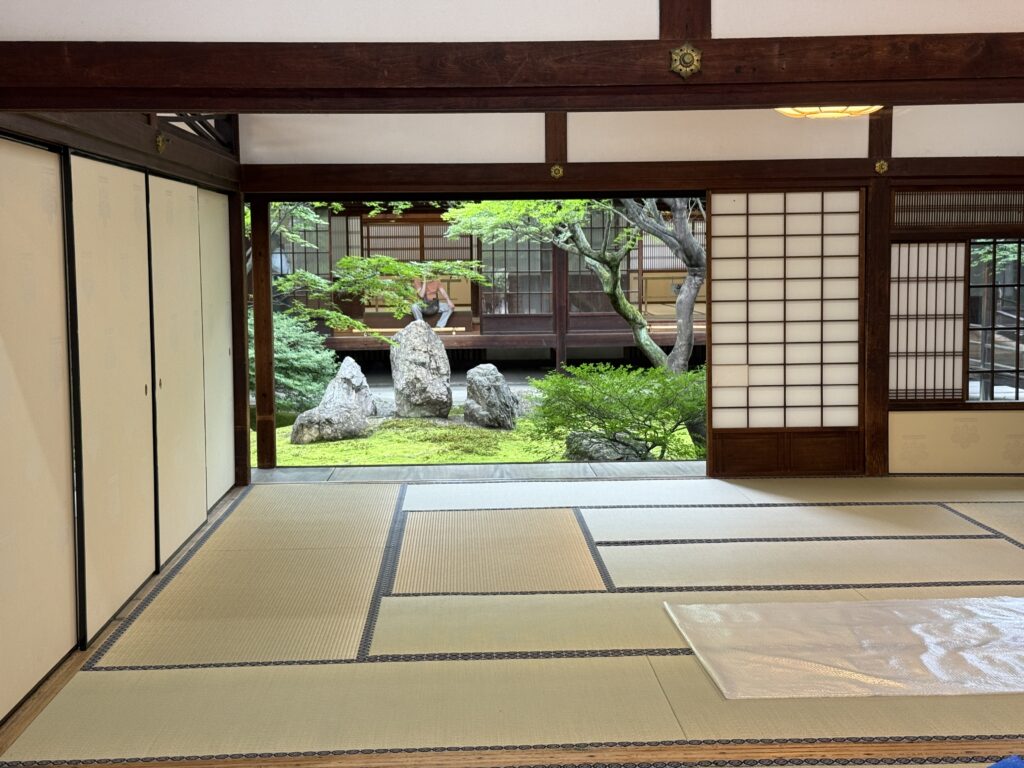
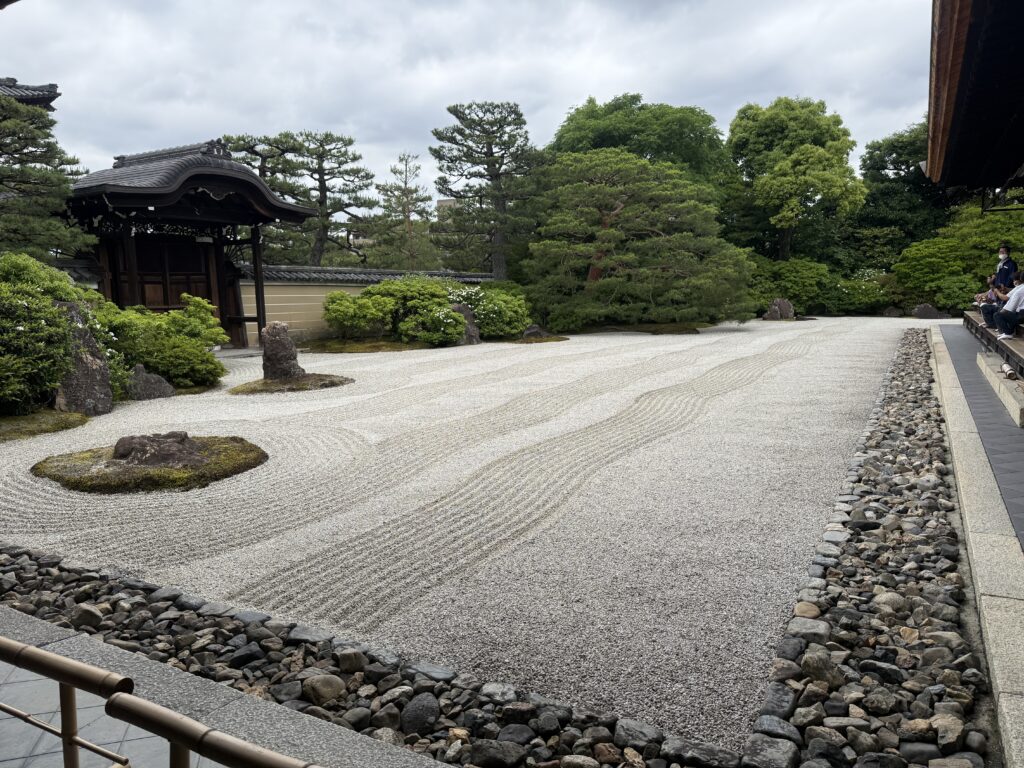
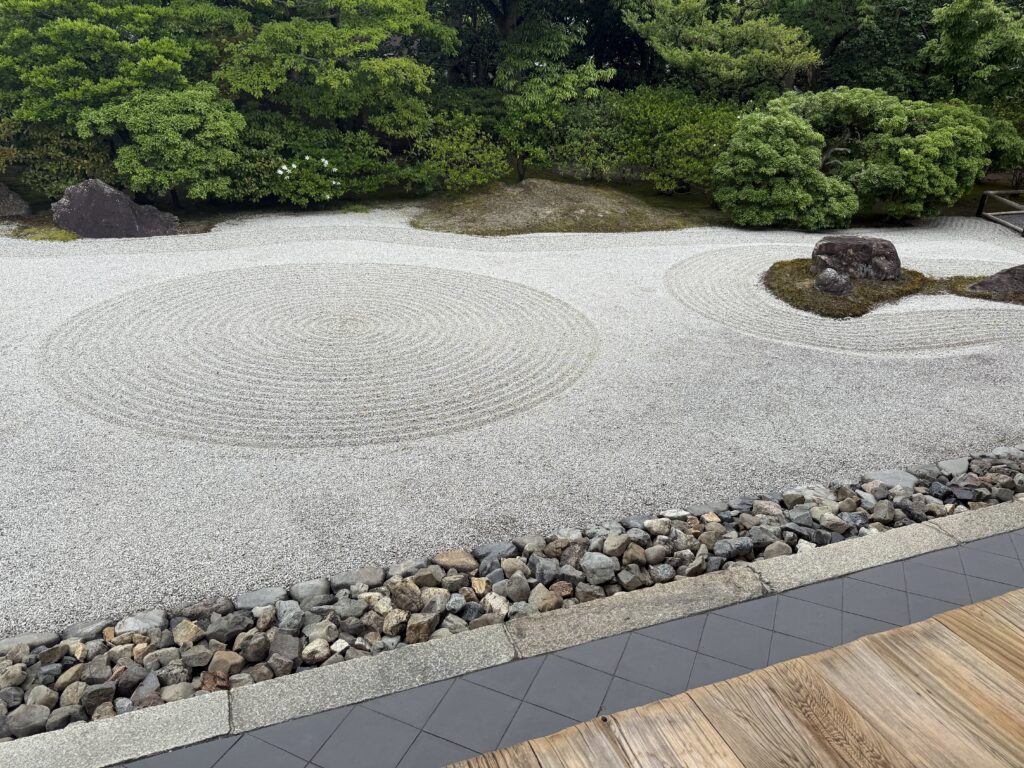
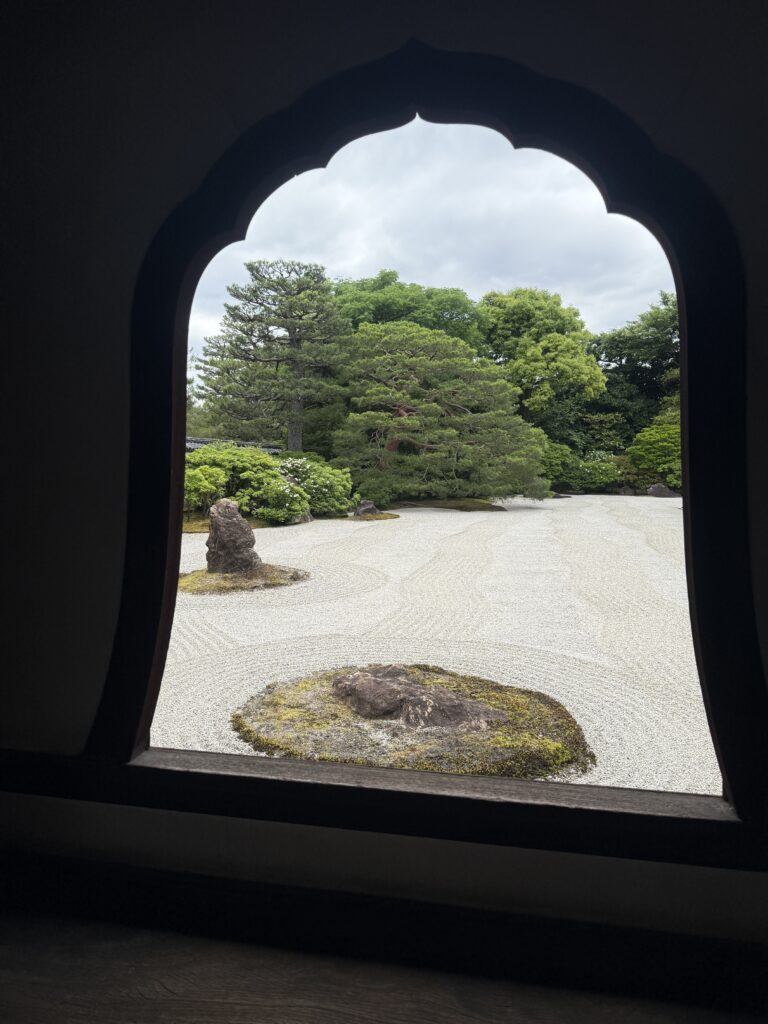
圧倒的なスケールの枯山水である「大雄苑(だいおうえん)」は、一面に敷き詰められた白砂に美しい波紋(砂紋)が描かれ、終わりなき大海原を表現しています。また、庭の奥には、力強く切り立った巨石や、縁起が良いとされる「七・五・三」の数で組まれた石組みが配置され、背後の緑の山(借景)へと視線をいざないます。また、縦石には「荒々しさや緊張感」、横石には「落ち着きや安定感」という真逆の性質があり、石がなく「無」を表現するなど、縦のトゲトゲしさ」と「横のまろやかさ」を組み合わせることで、限られた空間の中に大自然のドラマを再現、あるいは人生の各ステージを表現しているようにも感じます。
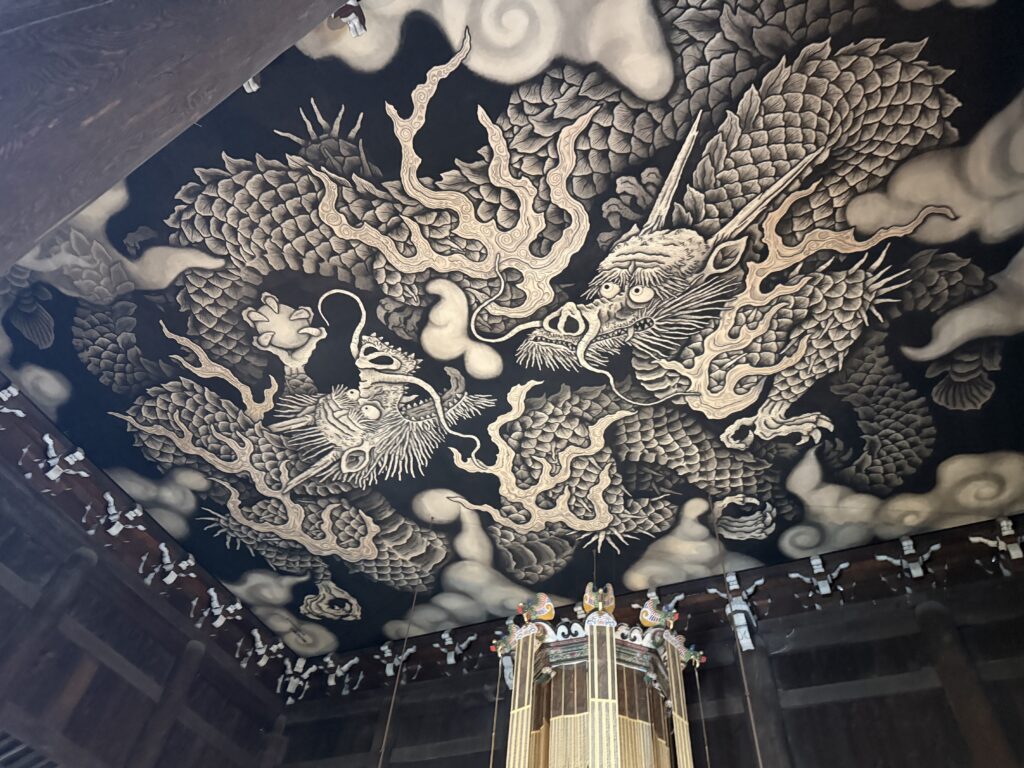
法堂の天井を見上げると、「双龍図(そうりゅうず)」があり、視界を埋め尽くすように描かれた2匹の龍が、今にも動き出しそうな大迫力で睨み合っています。
The "Daioen Garden," a dry landscape garden of overwhelming scale, features beautiful ripples (sand patterns) drawn on the white sand covering its surface, representing the endless ocean. Further into the garden, powerful, sheer boulders and stone arrangements in the auspicious numbers "seven, five, and three" are placed, drawing the viewer's gaze to the green mountains behind (borrowed scenery). Furthermore, vertical stones represent "roughness and tension," while horizontal stones represent "calmness and stability"—these are diametrically opposed qualities. By combining the "jaggedness" of vertical stones with the "gentleness" of horizontal stones, such as representing "nothingness" when there are no stones, it feels as if the drama of nature is being recreated within a limited space, or perhaps representing the different stages of life.
Looking up at the ceiling of the main hall, one sees the "Twin Dragons" painting, where two dragons, depicted to fill the entire field of vision, glare at each other with such intensity that they seem ready to spring into action at any moment.
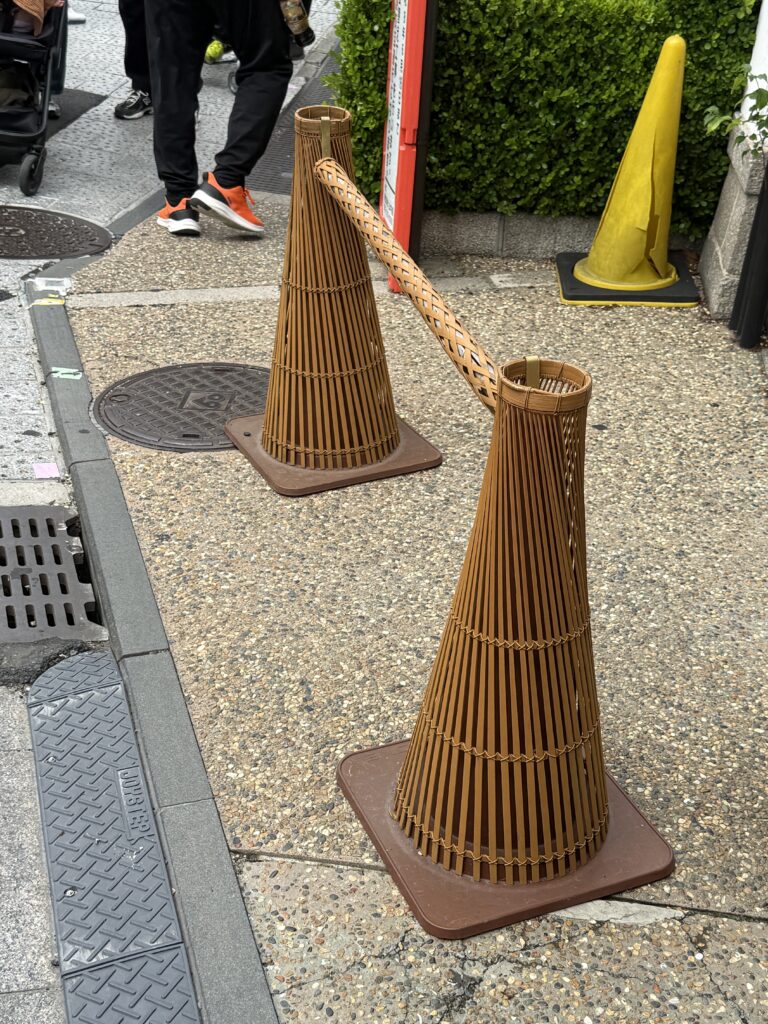
●景観に配慮したカラーコーンTraffic cones designed with consideration for the landscape)
工事中などで使われるカラーコーンも赤や黄などの派手な色でなく、茶色で竹材で目隠しされていて、景観面でとても配慮されています。
Even the traffic cones used during construction are not bright red or yellow, but brown and concealed with bamboo, showing great consideration for the landscape.
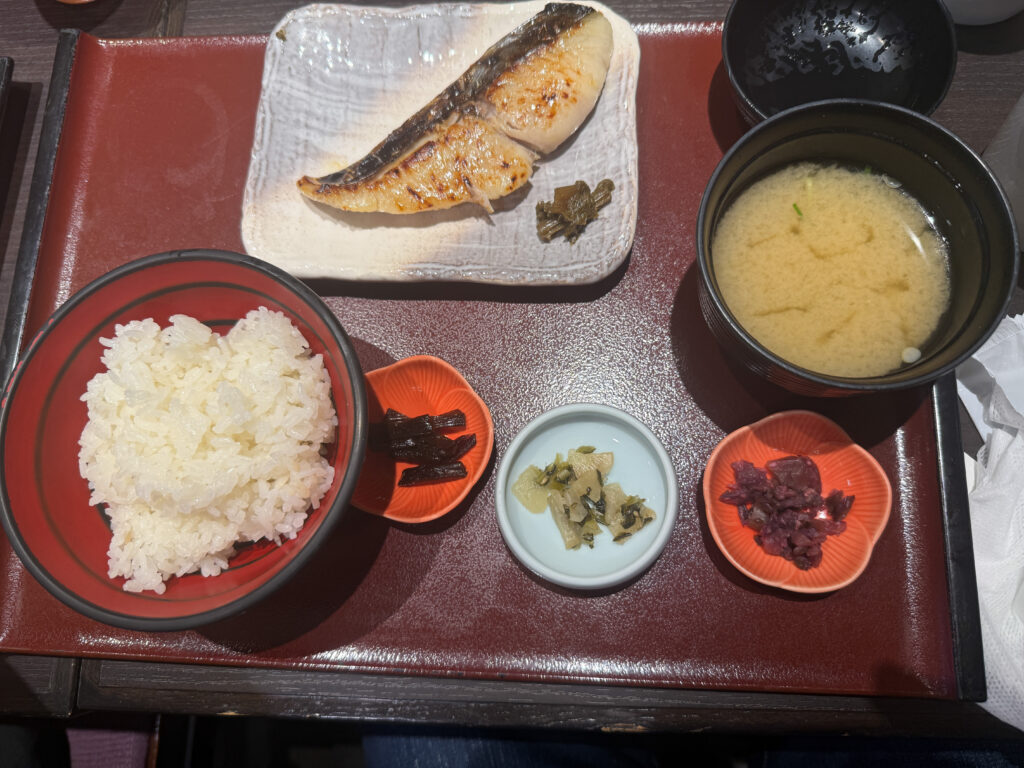
●鮭西京漬膳(Salmon marinated in Saikyo miso set meal)
鮭の西京漬膳は、脂の乗った鮭を京都発祥の白味噌(西京味噌)床に漬け込んで香ばしく焼き上げた和食膳です。ふっくらとした身と、味噌のほのかな甘み・コクがご飯と相性抜群で、とても美味しかったです。
The Saikyo-zuke Salmon Set Meal features fatty salmon marinated in a white miso paste (Saikyo miso) originating in Kyoto, then grilled to perfection. The plump flesh and the subtle sweetness and richness of the miso paired perfectly with the rice, making it incredibly delicious.
●「南禅寺 方丈庭園」(Nanzenji Temple Hojo Garden)
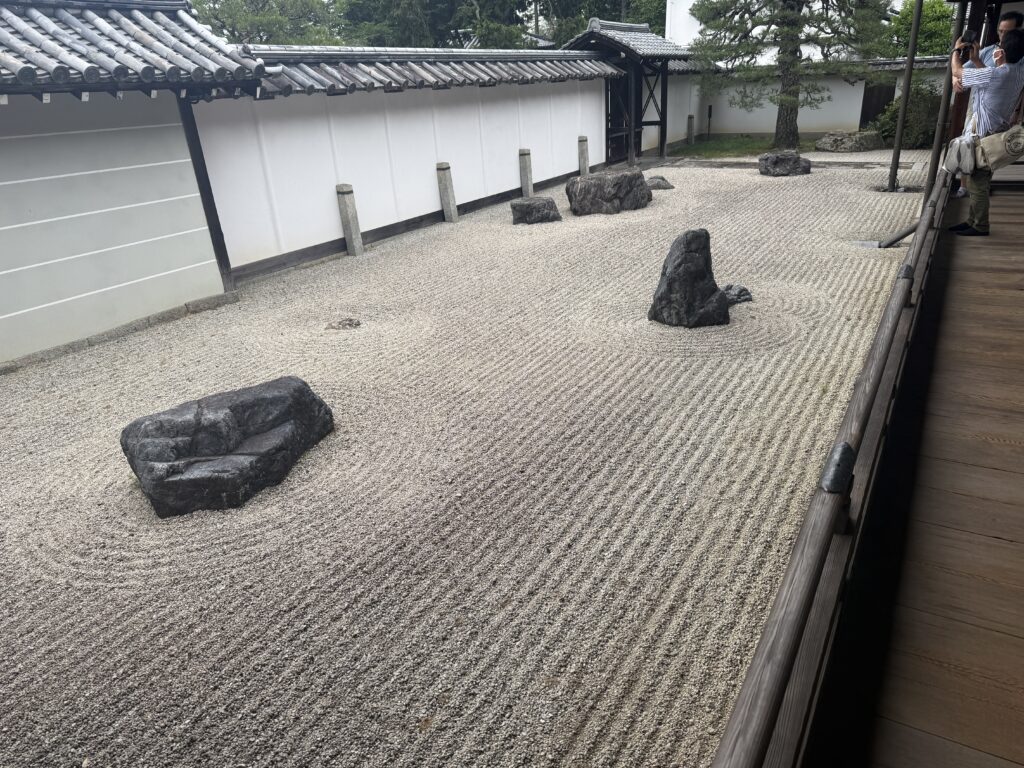
南禅寺の方丈庭園は、名造園家・小堀遠州の作庭と伝えられ、俗に「虎の子渡しの庭」と呼ばれています。それまでの主流だった須弥山や蓬莱山といった抽象的な仏教世界を表現する庭園から脱し、巨大な石をあえて横に寝かせて配置(伏石)する、より自然主義的でモダンな構成が特徴です。また、大きな石組みを方丈側から見て「左奥」に集中させ、中央から右手(東側)にかけてはあえて白砂の広い余白(空間)を大胆に残しています。この引き算の美学が、庭園に計り知れない奥行きと静寂をもたらしています。
The Hojo Garden at Nanzen-ji Temple is said to have been designed by the renowned landscape architect Kobori Enshu and is popularly known as the "Tiger Cub Crossing Garden." Breaking away from the prevailing style of gardens that represented abstract Buddhist worlds such as Mount Sumeru and Mount Penglai, it features a more naturalistic and modern composition, deliberately placing massive stones horizontally (fushiishi). Furthermore, the large stone arrangements are concentrated in the "back left" when viewed from the Hojo side, while a wide expanse of white sand is boldly left from the center to the right (east side). This aesthetic of subtraction brings immeasurable depth and tranquility to the garden.
●「金地院庭園」 (Konchiin Garden)
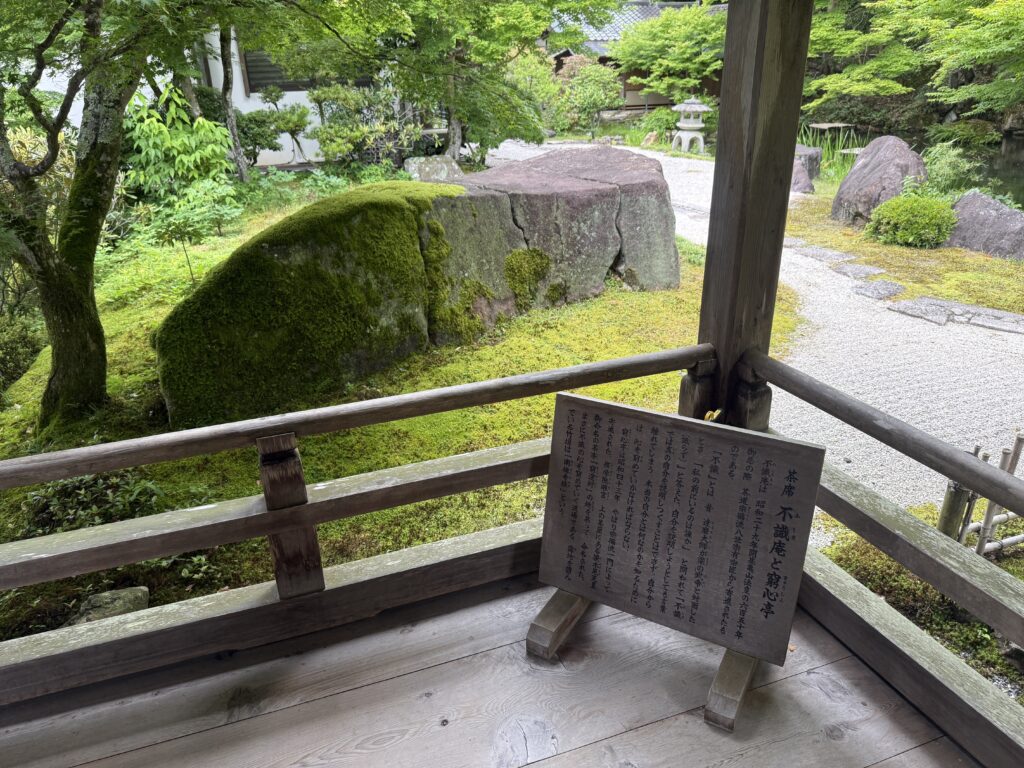
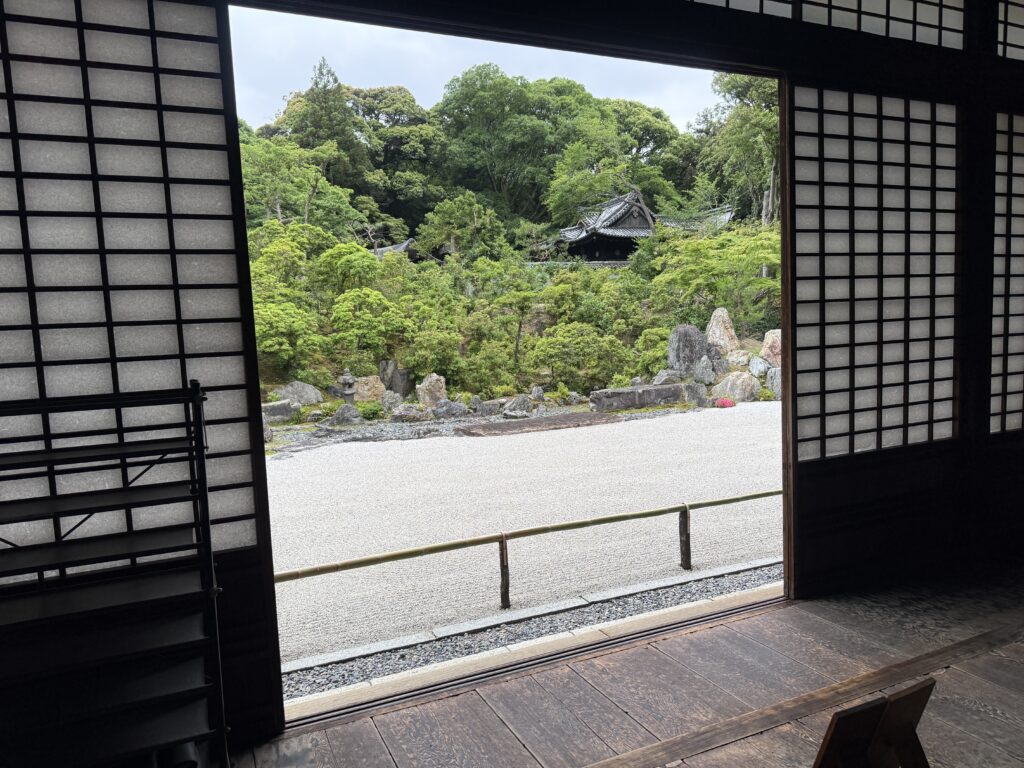
先の南禅寺方丈庭園と同じく、江戸時代初期の名造園家・小堀遠州が作庭した最高傑作の一つであり、別名「鶴亀の庭」として世界的に広く知られています。
Like the Nanzenji Hojo Garden mentioned earlier, this is one of the finest masterpieces created by Kobori Enshu, a renowned landscape gardener of the early Edo period, and is widely known worldwide as the "Crane and Turtle Garden."
【3日目】(3 days)
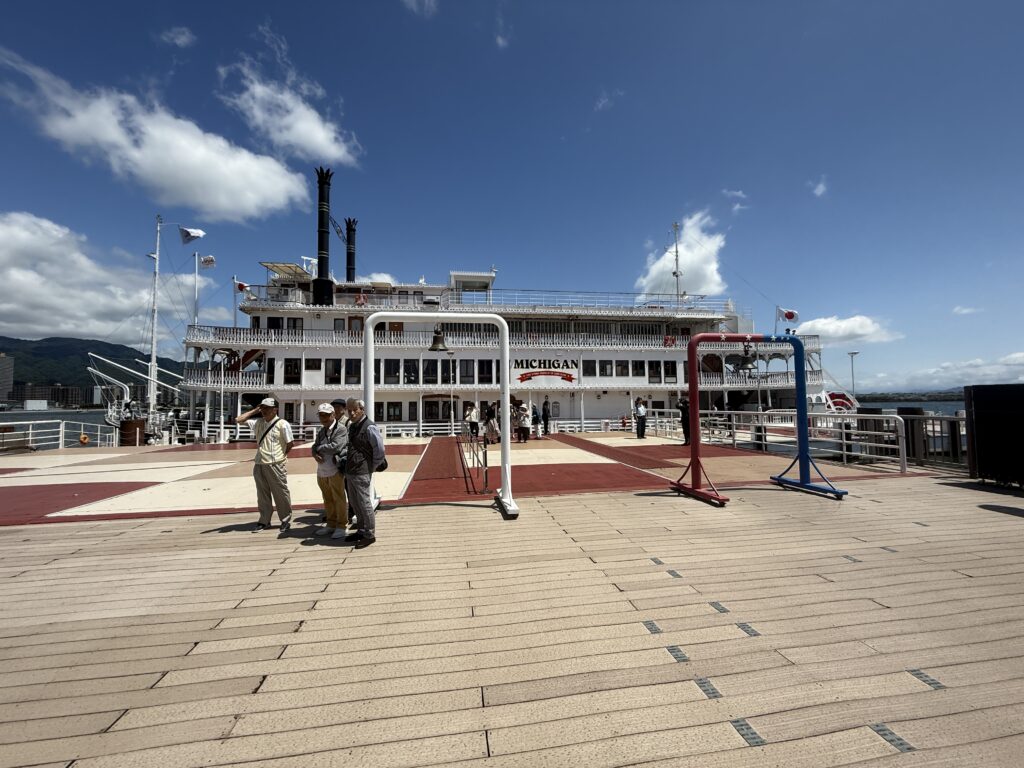
●ミシガンクルーズ(Michigan Cruise Line)
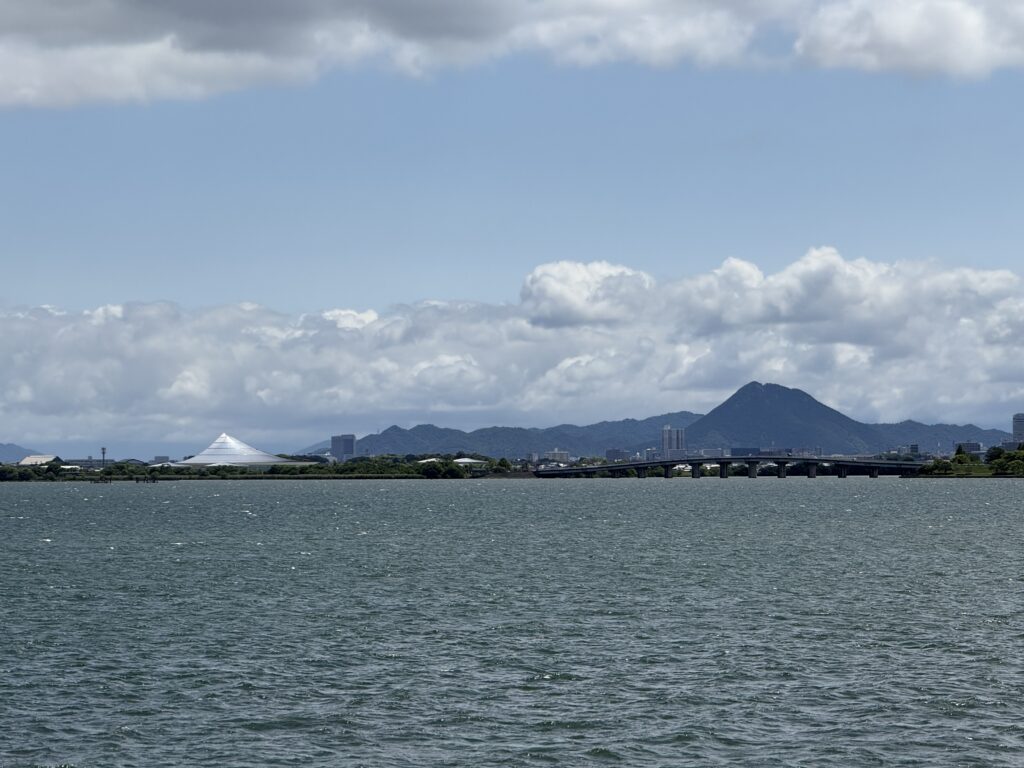
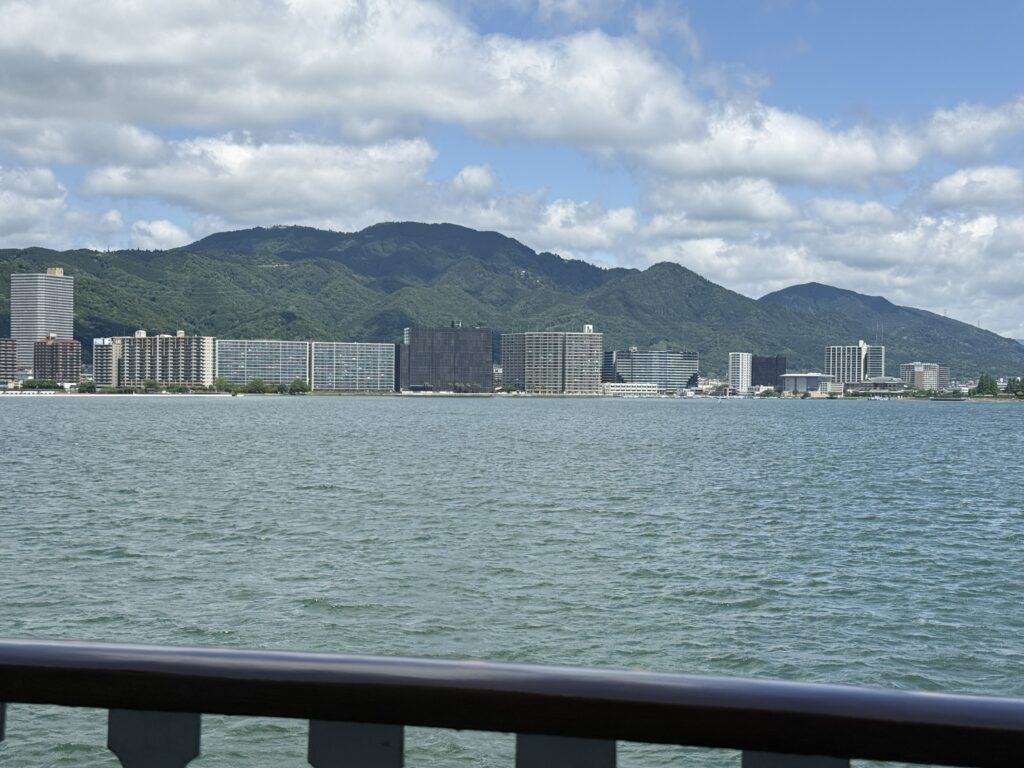
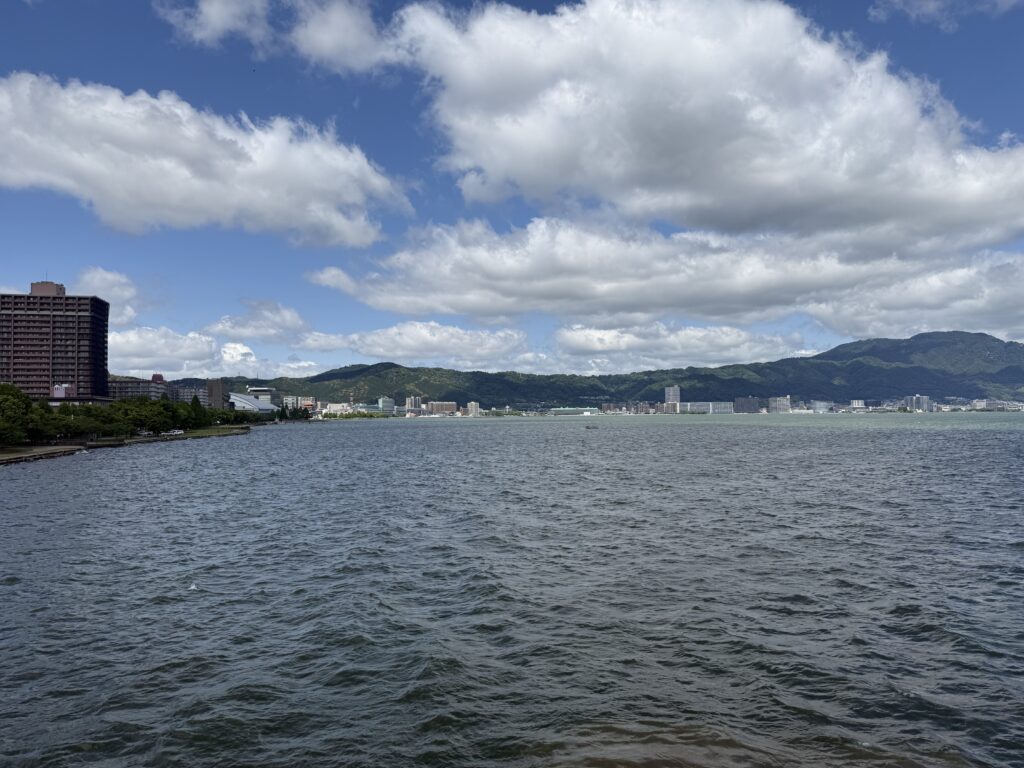
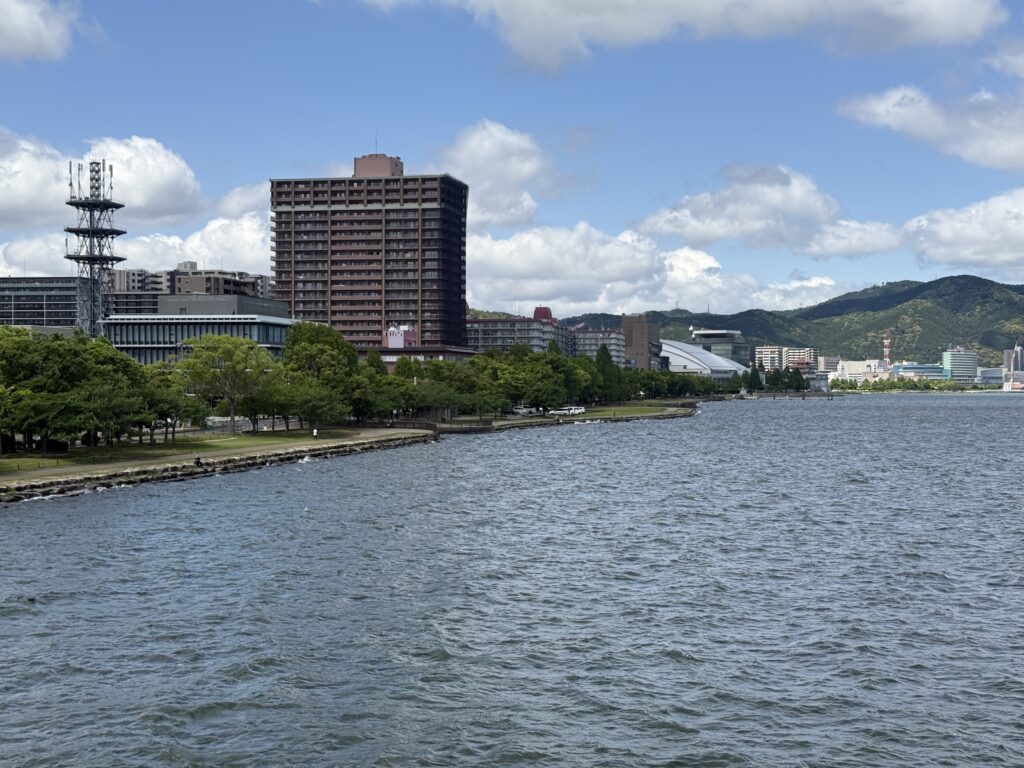
この日はとても涼しく、デッキに座って、大津市の大津港を拠点に美しい琵琶湖の景色、陽気な音楽、そして美味しい飲食を気軽に楽しみました。水辺は高層建築物や公共施設が整備され、落ち着きのある整ったウォーターフロントの街だと感じました。近江富士と富士の三角形に準えた三角屋根の建物も見えました。
It was a very cool day, and I sat on the deck and casually enjoyed the beautiful scenery of Lake Biwa, cheerful music, and delicious food and drinks, all based at Otsu Port in Otsu City. The waterfront area was well-developed with high-rise buildings and public facilities, giving it the feel of a calm and organized waterfront city. I could also see Mount Omi Fuji and buildings with triangular roofs reminiscent of the triangle of Mount Fuji.
●浮御堂(満月寺)(Ukimido (Mangetsuji Temple))
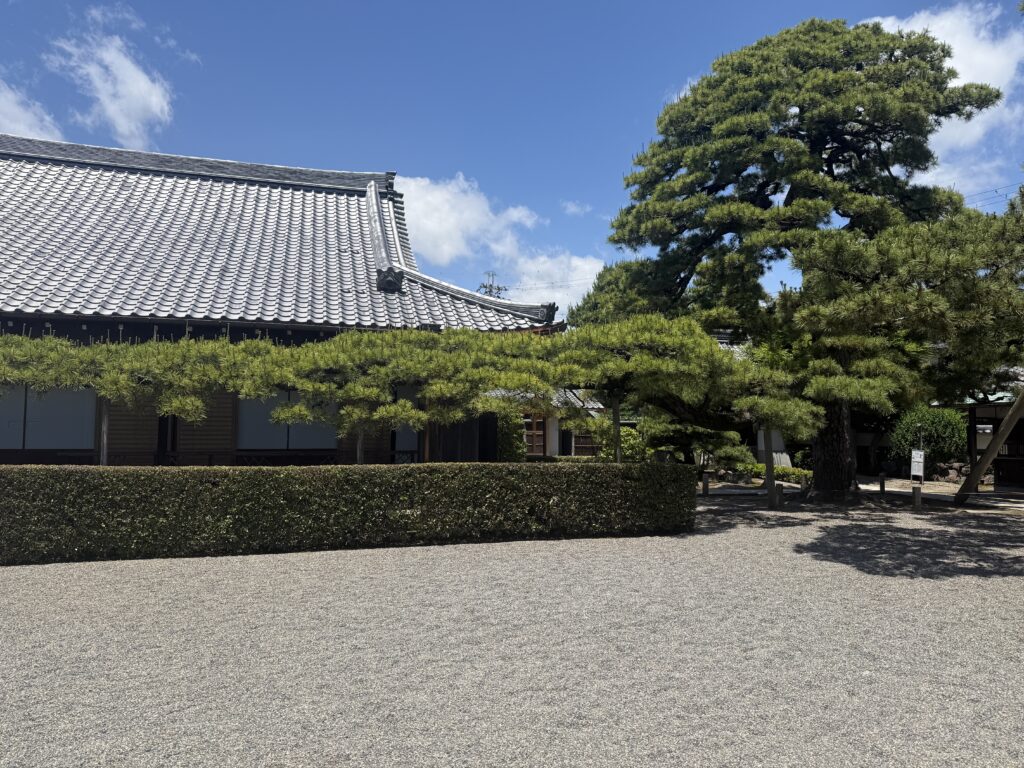
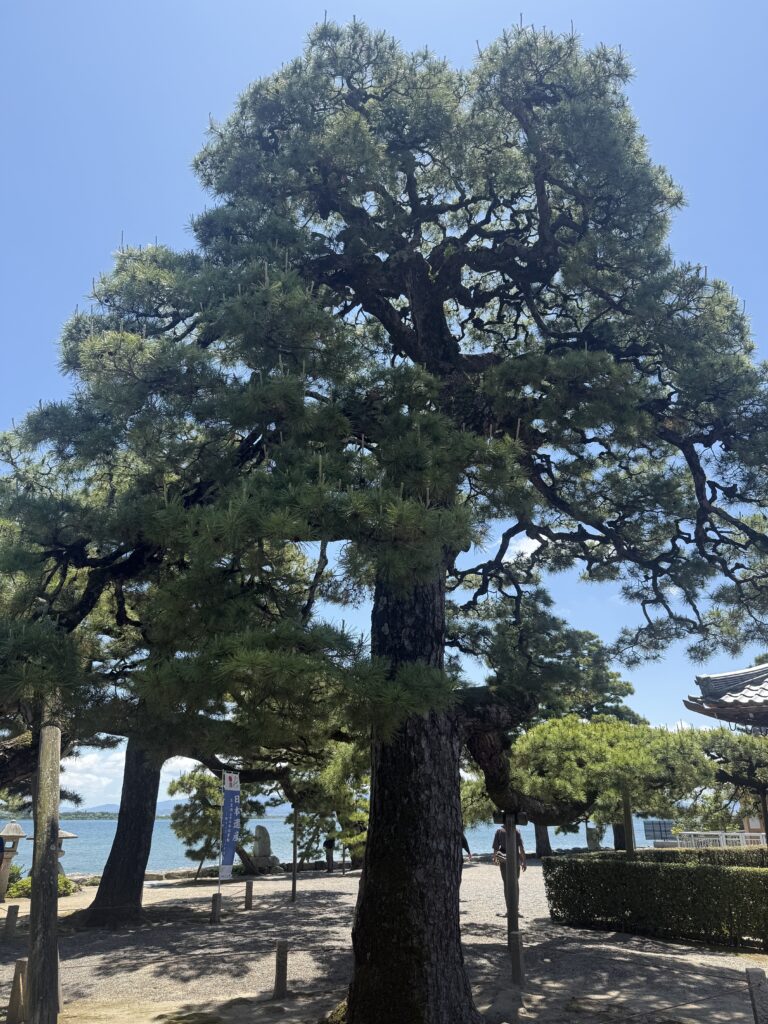
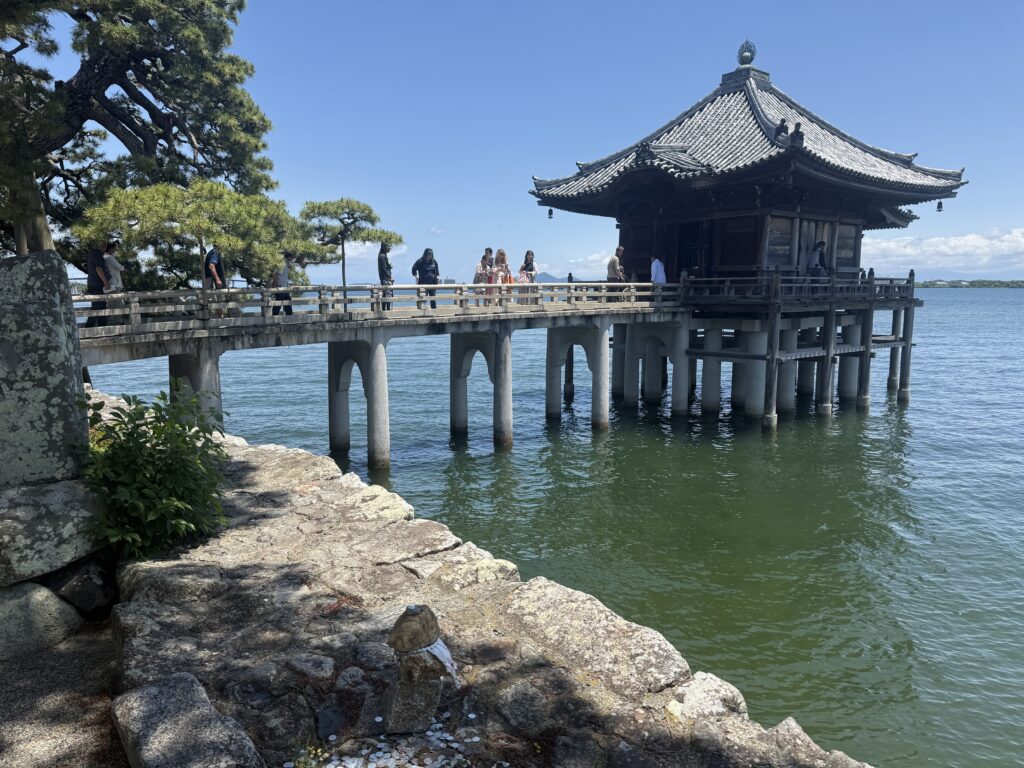
平安時代に湖上の安全と衆生済度を祈願して建立したと伝えられており、「近江八景」の一つ「堅田の落雁」として古くから多くの画家や詩人に愛されてきた、琵琶湖を代表する絶景スポットです。美しく剪定された「仕立て松」が何本も植えられており、青い湖、朱塗りの橋、そして御堂のシルエットをまるで絵画の額縁のように美しく引き立てています。樹齢700年の松は圧巻です。
It is said to have been built during the Heian period to pray for safety on the lake and the salvation of all beings, and it has long been loved by many painters and poets as "Katata no Rakugan" (Wild Geese Descending at Katata), one of the "Eight Views of Omi," and is a representative scenic spot of Lake Biwa. Many beautifully pruned "shaped pine trees" are planted there, and they beautifully frame the blue lake, the vermilion bridge, and the silhouette of the temple, like a picture frame. The 700-year-old pine tree is truly awe-inspiring.
●「堅田湖族」の本拠地(The headquarters of the "Katata Lake Tribe")
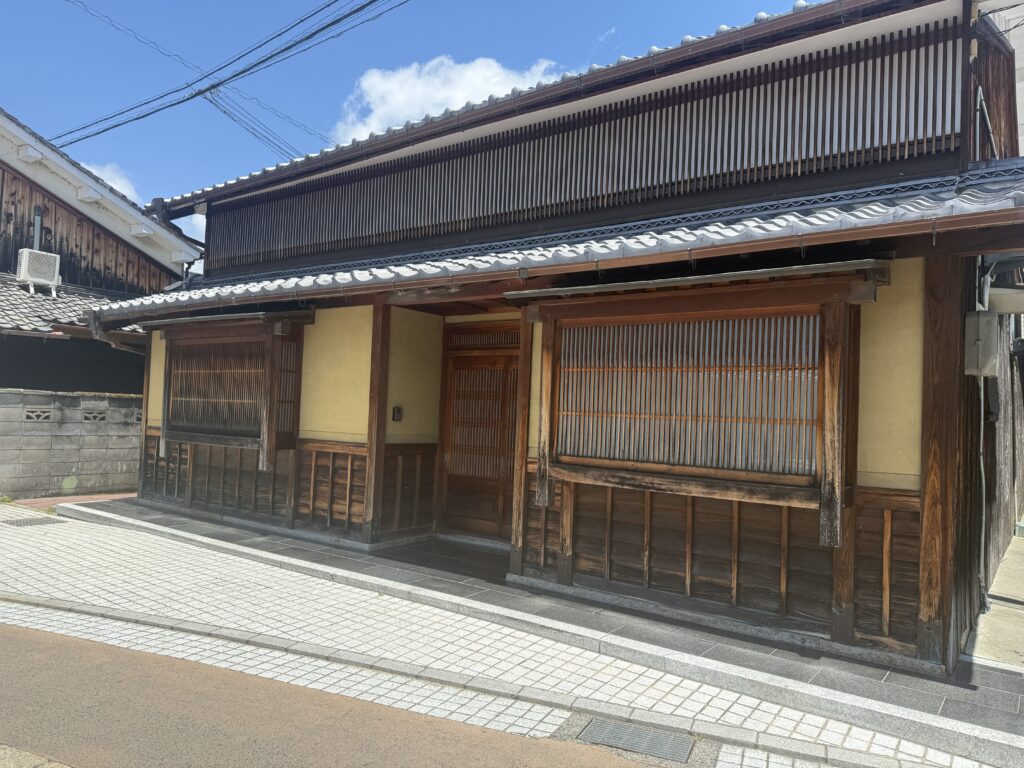
かつて外敵(戦国大名など)からの侵入を防ぐために作られた、複雑に入り組んだ細い路地(クランク状の道)が今もそのまま生活道路として残っています。浮御堂から歩いてまわれる範囲に、湖族の歴史を物語る風格ある建築物が点在しています。
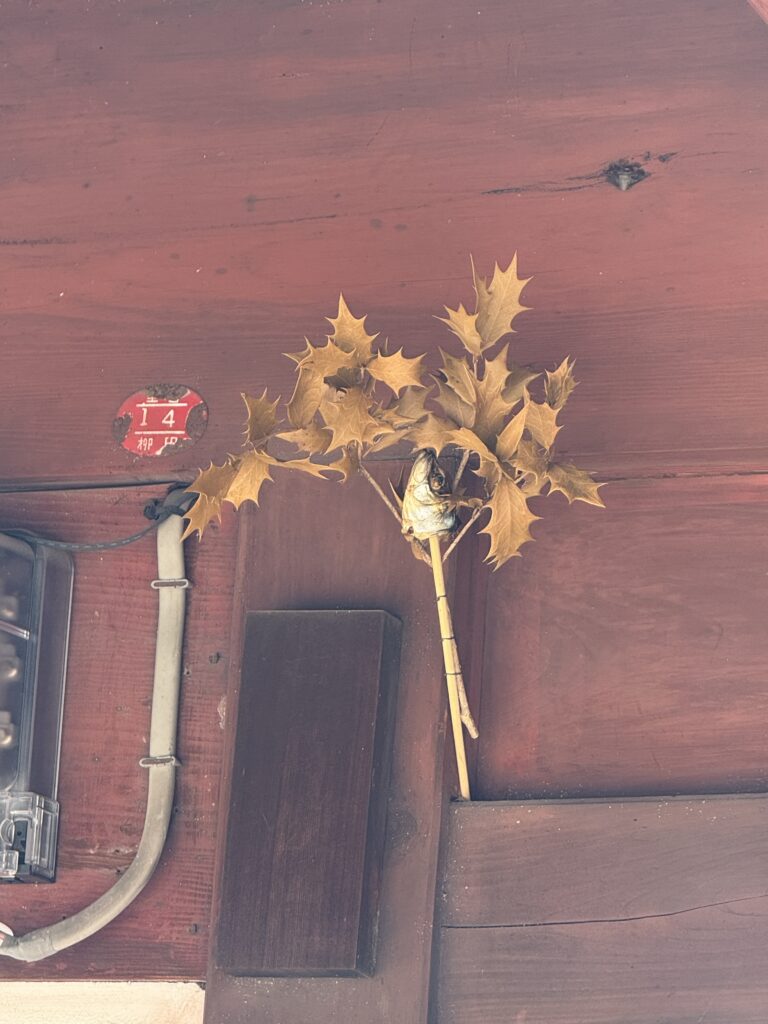
節分(2月3日頃)に家の玄関先などに飾られている柊鰯(ひいらぎイワシ)は、鬼(邪気や災い)が嫌がる魔除け(厄除け)です。
The narrow, winding alleys (crank-like roads) that were once built to defend against invaders (such as feudal lords of the Sengoku period) still remain as daily thoroughfares. Within walking distance of Ukimido Temple, numerous dignified buildings that tell the history of the Lake People are scattered throughout the area.
The holly and sardine decorations displayed at the entrances of homes around Setsubun (February 3rd) are considered amulets to ward off evil spirits (demons and calamities) that demons dislike.
●穴太衆(あのうしゅう)積み石垣(Anou-shu style stone wall)
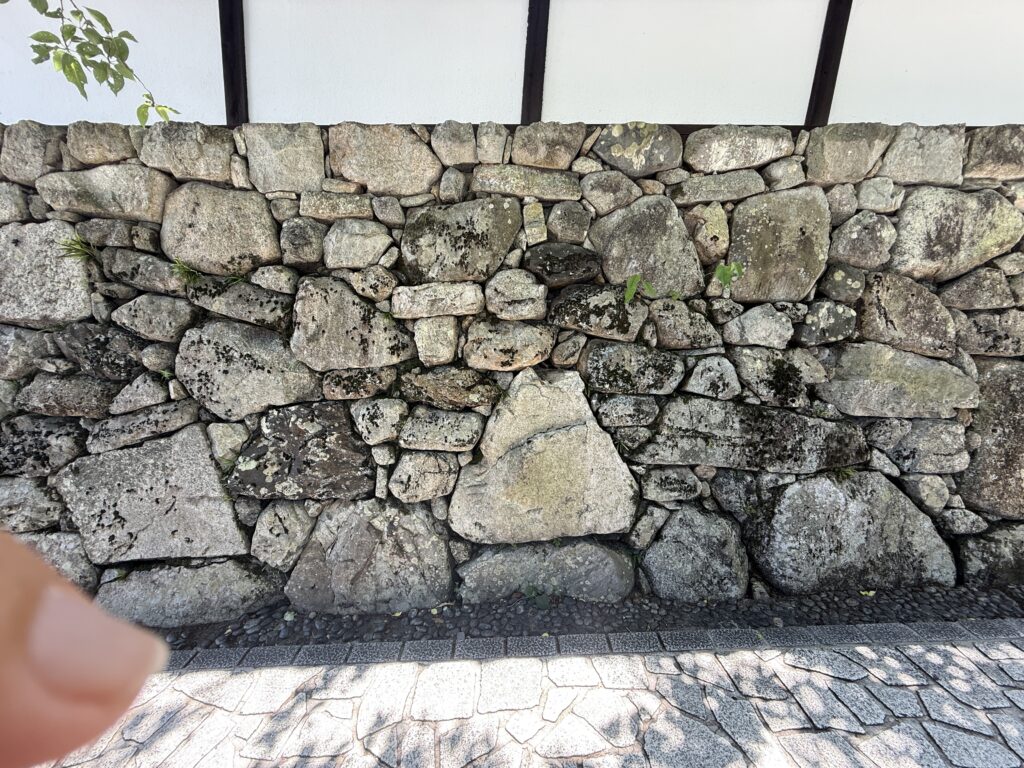
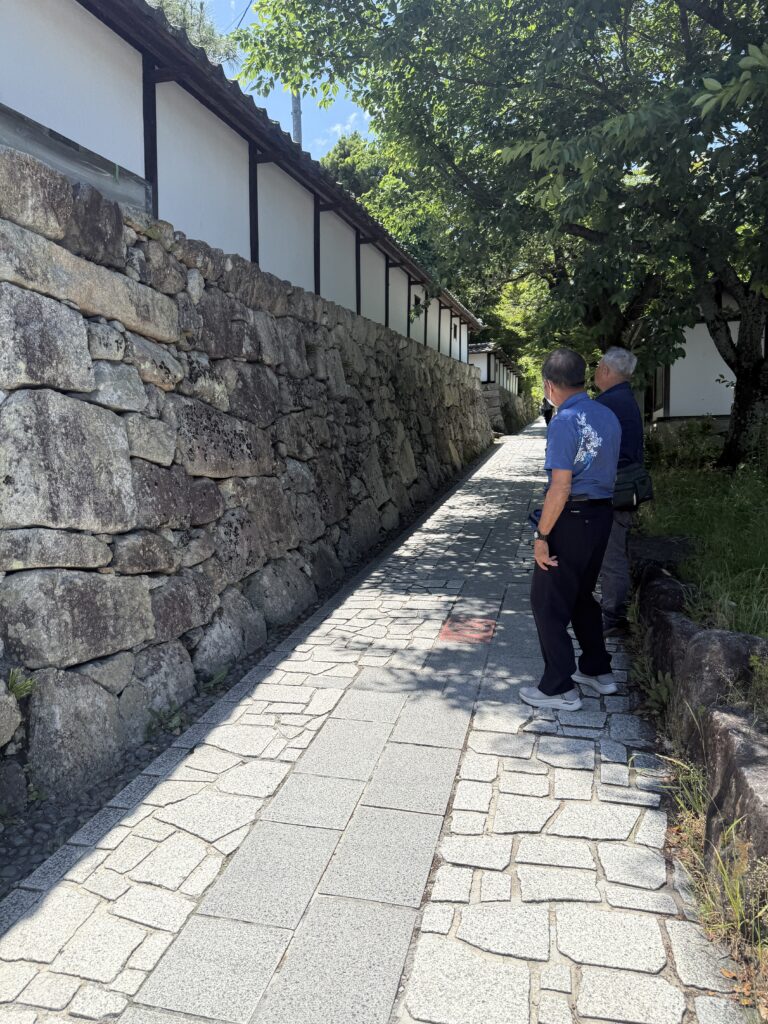
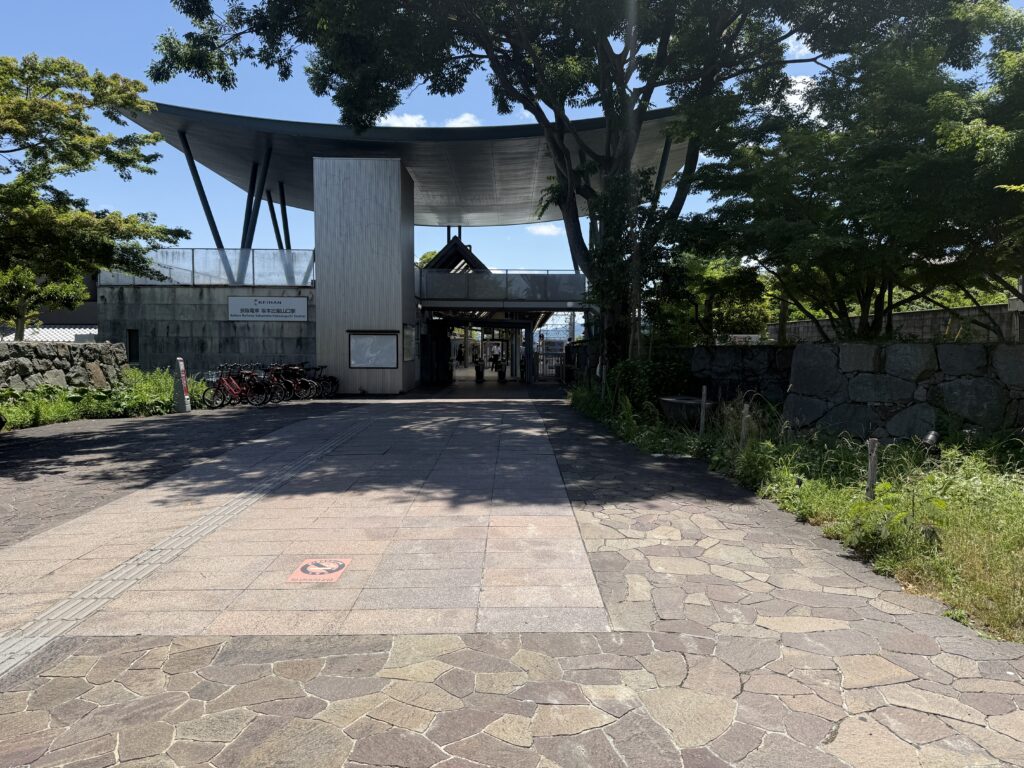
穴太衆とは、近江国(現在の滋賀県大津市坂本・穴太地区)を拠点に活躍した伝説的な石工(石積み職人)集団です。自然石を一切加工せず巧みに組み合わせる「穴太衆積み」という高度な技術を持ち、安土城などの名城の石垣を数多く手掛けたことで知られています。坂本比叡山口駅のアプローチ部にある穴太衆積み石垣は、5代目が造ったもので、その高度な技術は継承されています。
The Anō-shū were a legendary group of stonemasons (stone masons) who were active in Ōmi Province (present-day Sakamoto and Anō districts of Ōtsu City, Shiga Prefecture). They possessed a highly advanced technique called "Anō-shū masonry," which involved skillfully combining natural stones without any processing, and are known for having worked on the stone walls of many famous castles, such as Azuchi Castle. The Anō-shū masonry stone wall in the approach to Sakamoto Hieizanguchi Station was built by the fifth generation of the Anō-shū family, demonstrating that their advanced techniques have been passed down through generations.
●坂本ケーブル(Sakamoto Cable)
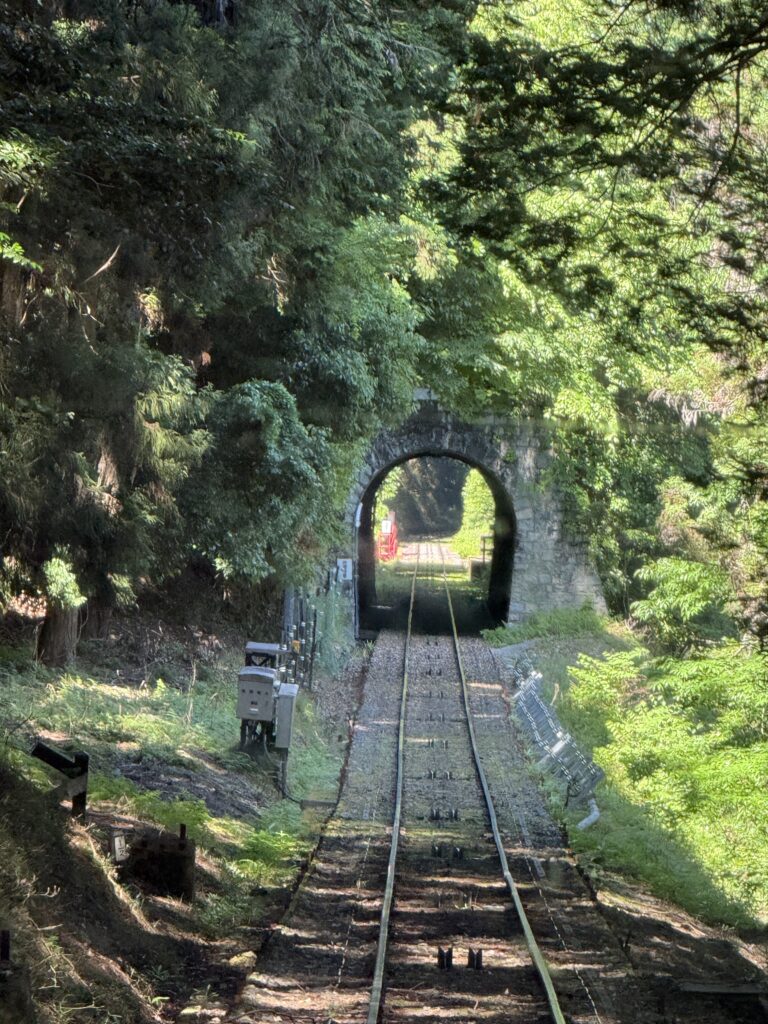
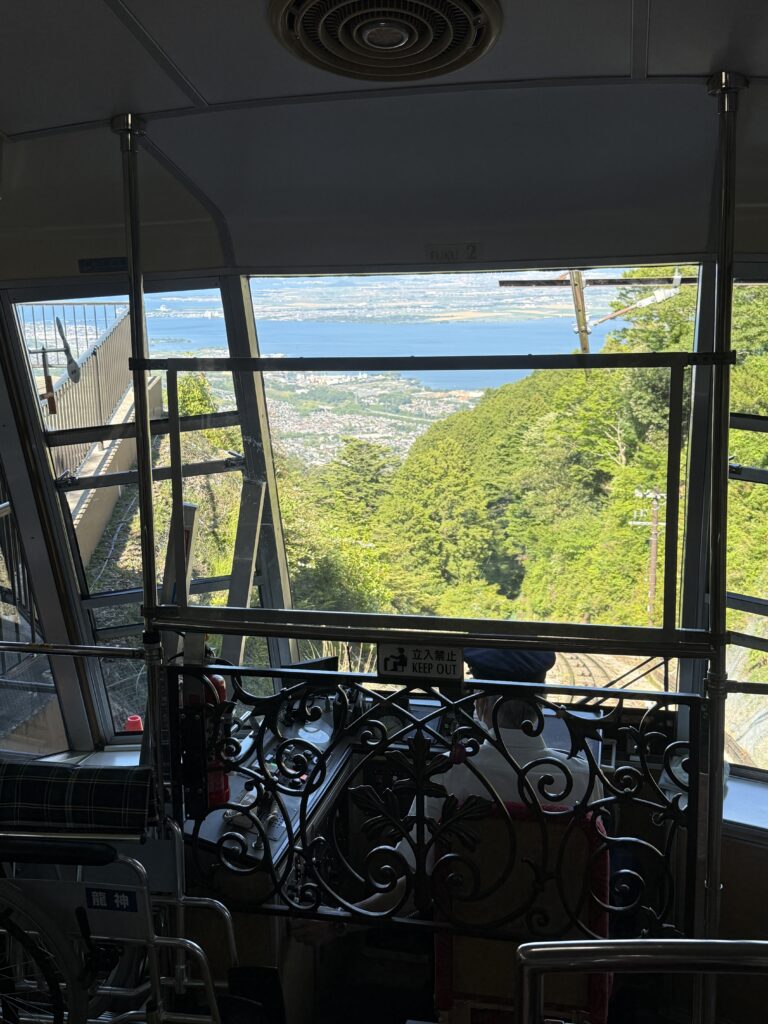
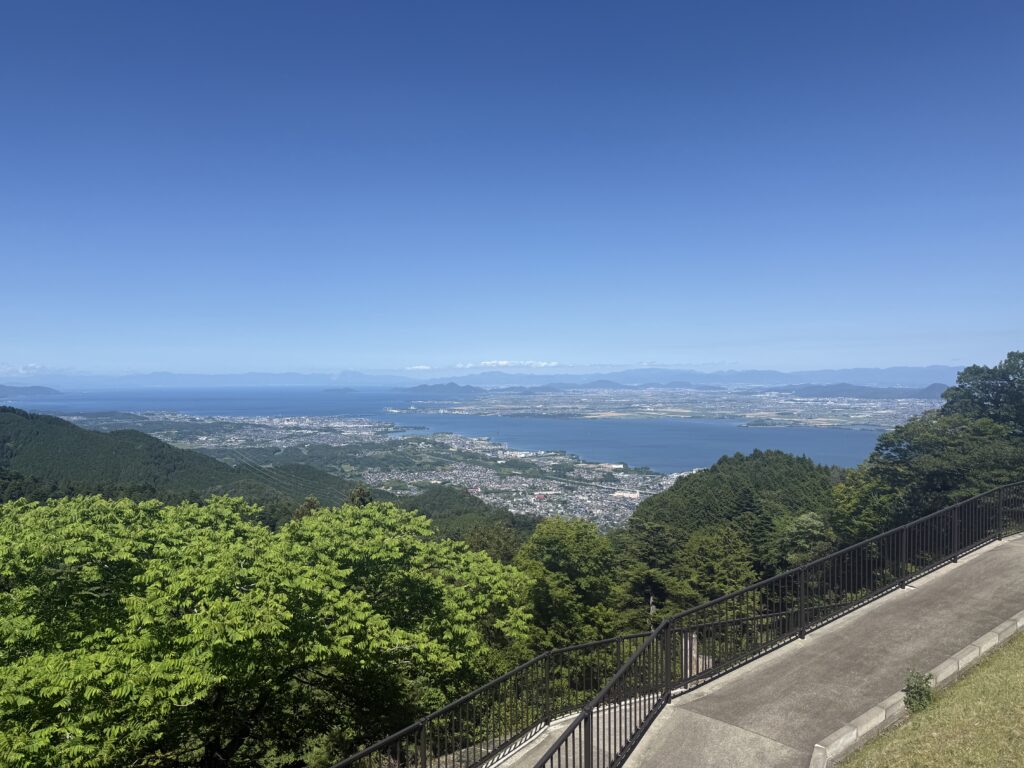
1927年(昭和2年)に開業し、全長2,025mという「日本一の長さ」を誇るケーブルカーとして知られています。麓から山頂まで片道約11分をかけて、高低差484mをレトロで可愛い車両でダイナミックに登ります。途中の車窓、特に山頂に近づくにつれて、眼下に広がる琵琶湖(南湖から北湖まで)の大パノラマを一望することができます。
Opened in 1927 (Showa 2), this cable car is known as "Japan's longest," boasting a total length of 2,025 meters. The one-way trip from the base to the summit takes approximately 11 minutes, dynamically ascending a height difference of 484 meters in a charming, retro-style vehicle. Along the way, especially as you approach the summit, you can enjoy a panoramic view of Lake Biwa (from the south to the north) spread out below.
●比叡山(Mount Hiei)
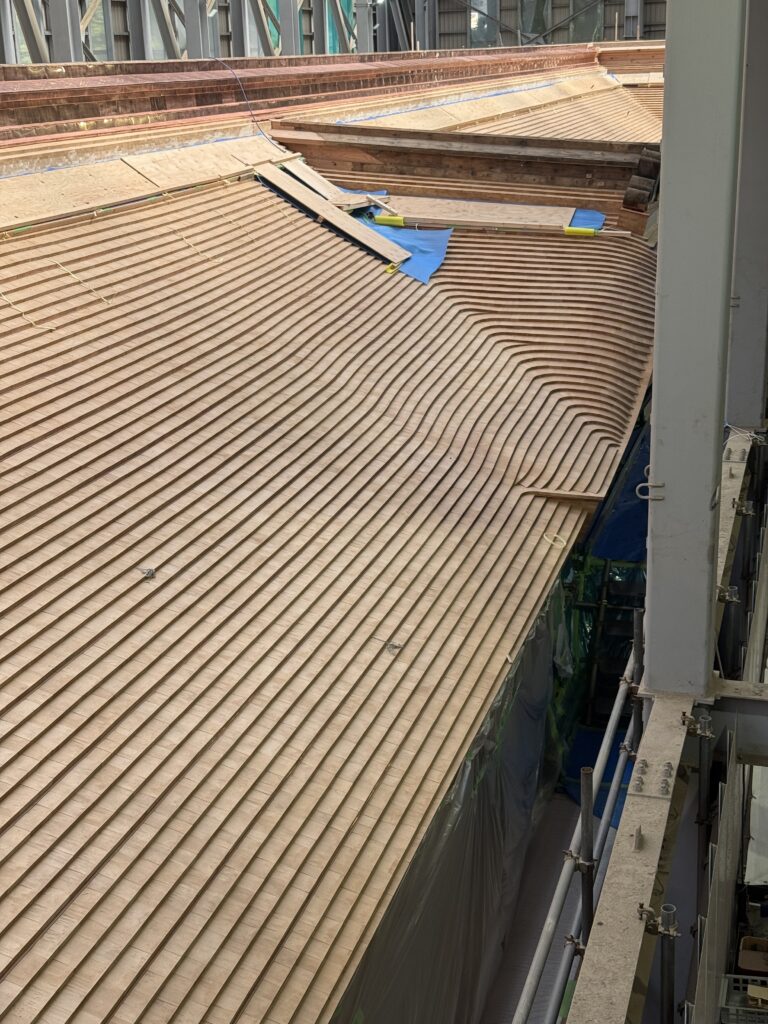
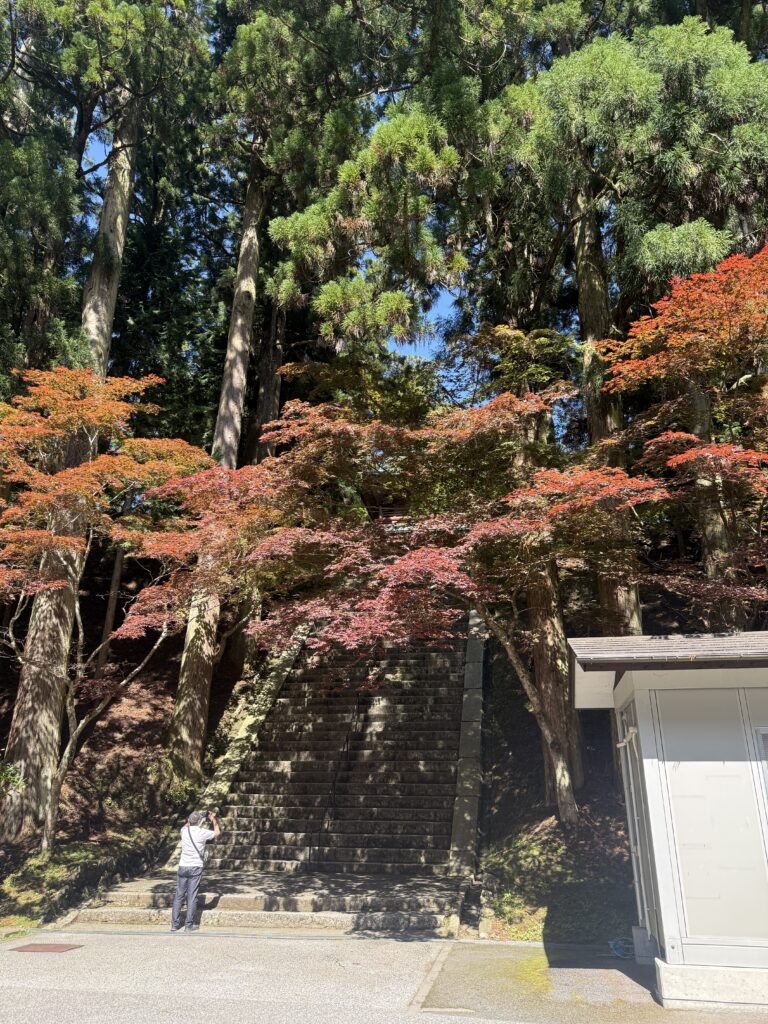
比叡山延暦寺の総本堂である国宝「根本中堂」は、歴史的な大規模改修工事の最中でしたが、復元の状況を伺うことができました。
The main hall of Enryaku-ji Temple on Mount Hiei, the national treasure "Konpon Chudo," was undergoing large-scale historical renovation work, but we were able to observe the progress of the restoration.
「in京都滋賀 従業員研修」ブログを最後まで見て頂き、ありがとうございます。
Thank you for reading the "Employee Training in Kyoto and Shiga" blog to the end.
■会社の看板(屋外広告物)をリニューアル!
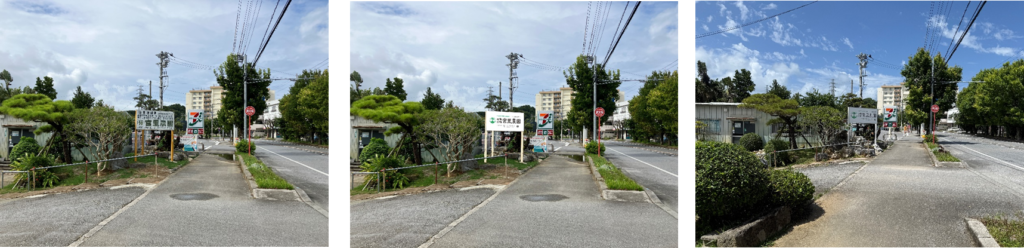
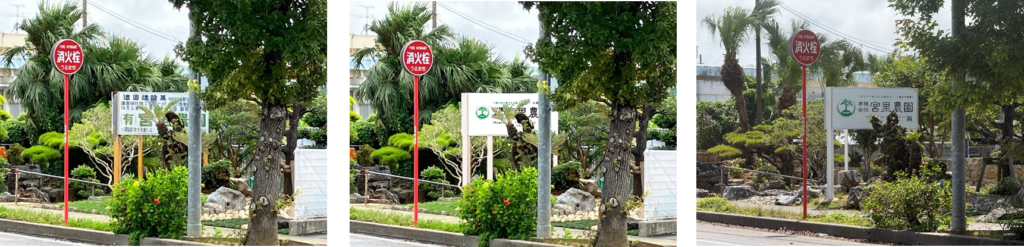
2005年のうるま市誕生(2市2町の合併)に伴い、看板の表記を一部修正して以来、この度、会社の看板(屋外広告物)を全面的にリニューアルいたしました。
旧看板の正確な設置時期は不明ですが、職人によるペンキの手書きであることや、長年の雨風に耐えてきた躯体の状態から、40年以上、あるいは創業から59年間、会社を見守り続けてくれたものと思われます。
今回のニューアルでは、視認性を最優先し、文字情報をあえてシンプルに整理しました。白地に黒文字の会社名、そしてアクセントとして緑のコーポレートマークを配置した、すっきりとしたデザインです。(写真は右から施行前、完成イメージ、施工後の順番です)
設置にあたっては、従業員が力を合わせて施工を行い、温かみのある手作りの看板に仕上がりました。お近くにお越しの際は、ぜひ目を留めてみてください。
■天願川鯉のぼりフェスタ2026開催中
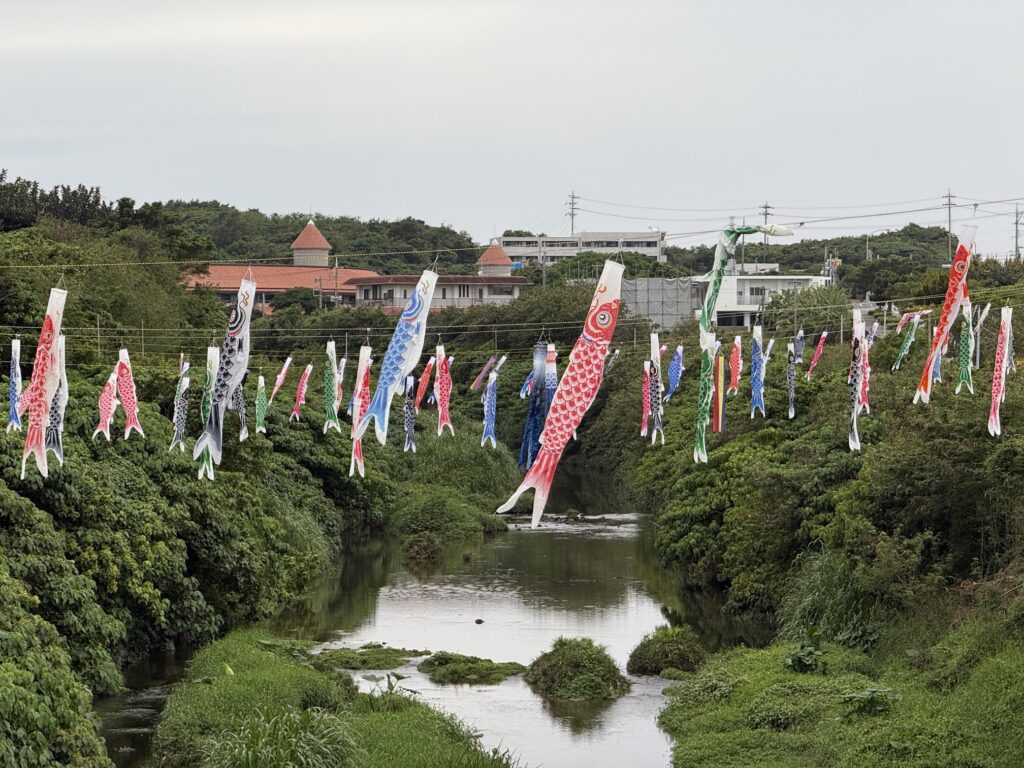
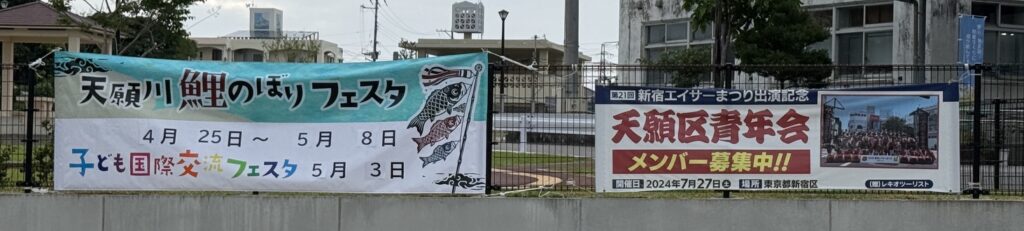
天願川鯉のぼりフェスタ2026、今年も元気に開催中!
青空と鯉のぼりのコラボが最高です。
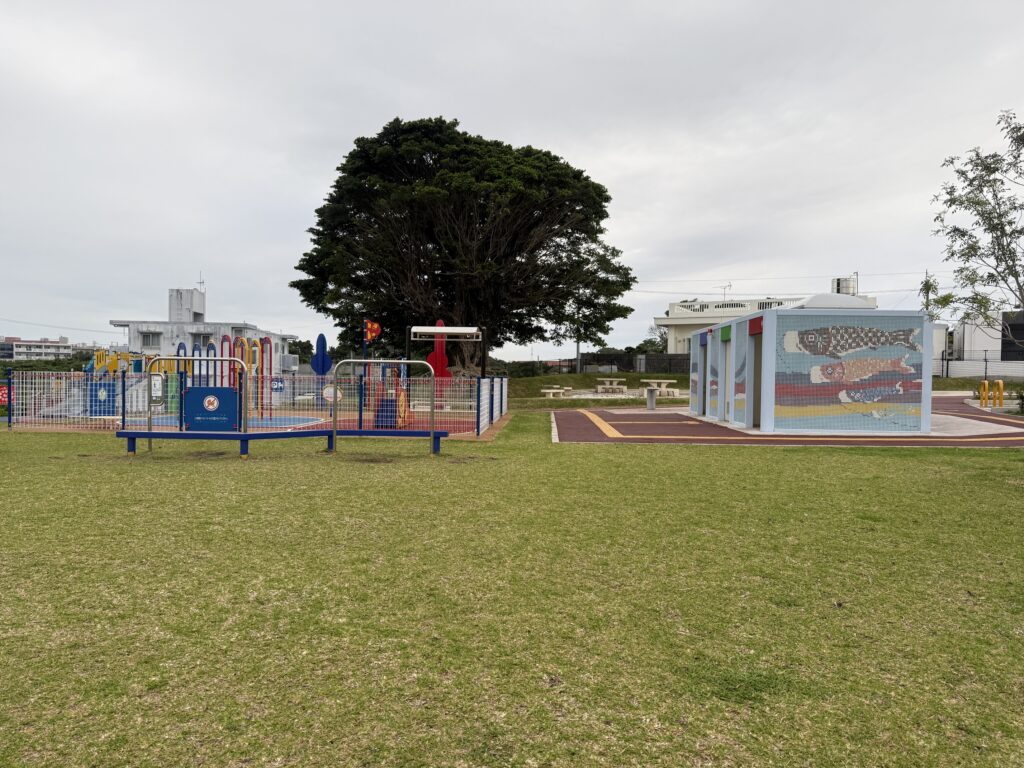
近隣には芝生が広がる天願公園もあり、ご家族でのんびり楽しめます。弊社も協力企業としてイベントを支援しています。
-768x1024.jpg)
◾️ナデシコ200鉢 苗の無料配布
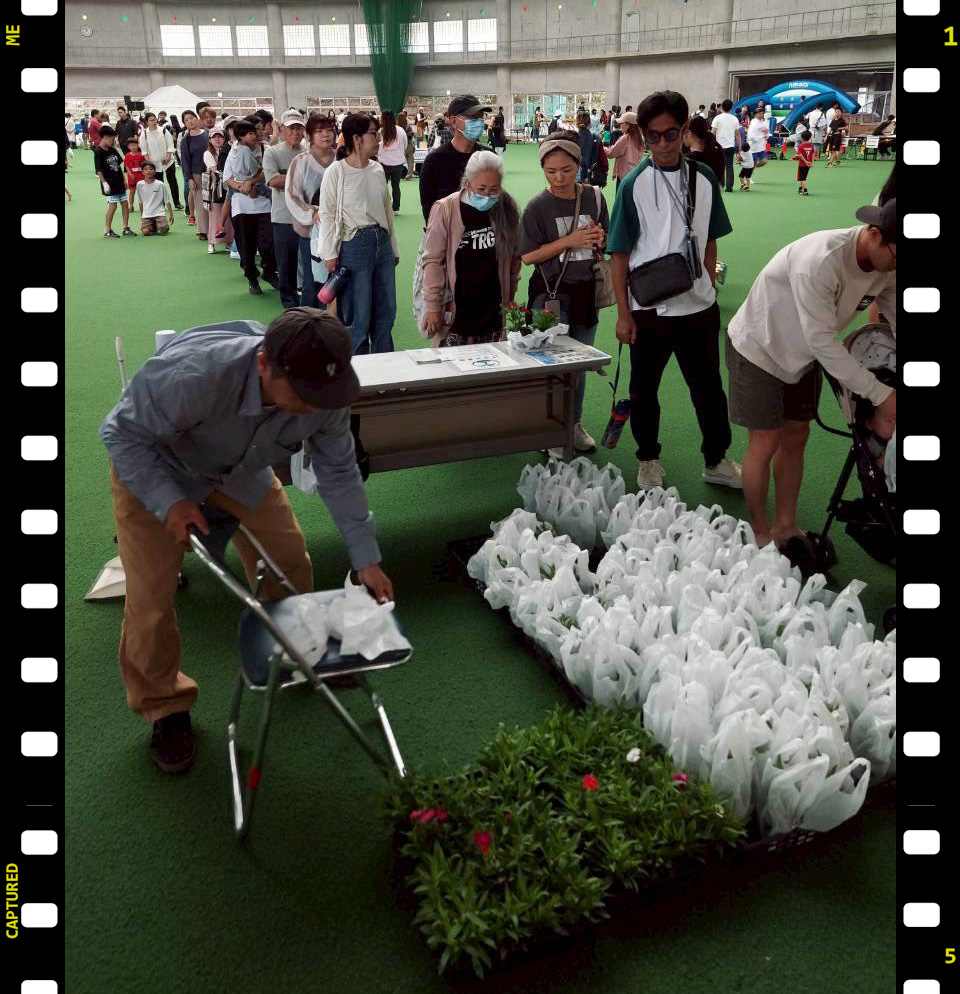
春休みイベント「こどもスポーツフェスタ in うるま」の会場にて、 ナデシコ苗 200鉢の無料配布を行いました。
11:00の配布開始からわずか30分で、すべての苗が終了しました。 袋詰めのご協力のお声掛けなどもいただき、 ご来場の皆さまに心より感謝申し上げます。
ありがとうございました。
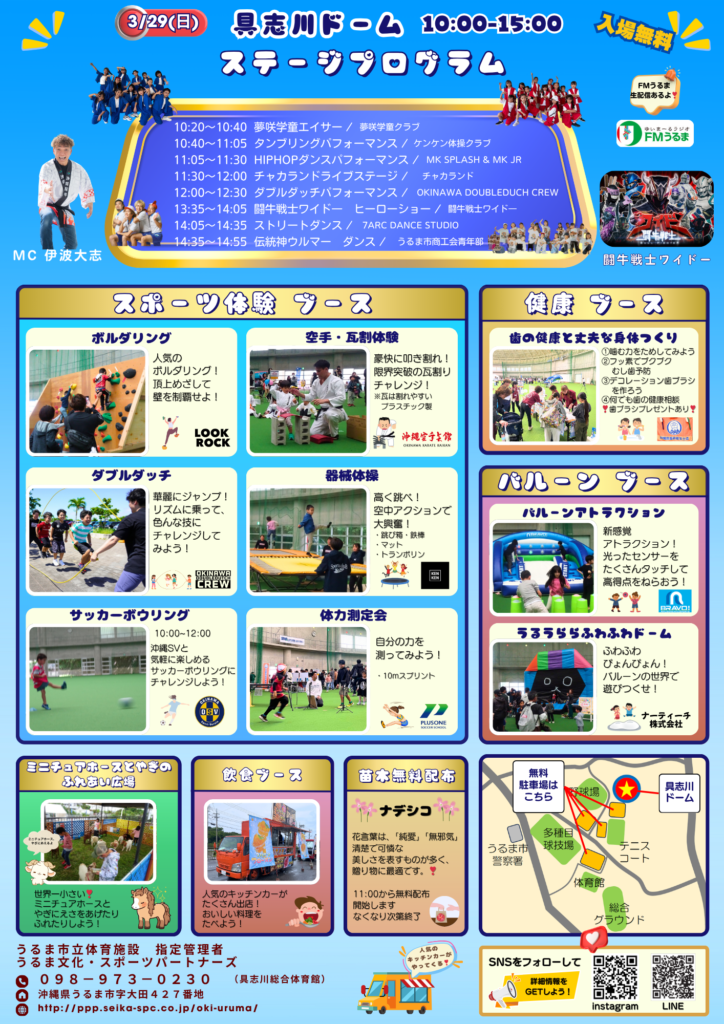
◾️春休みイベント「こどもスポーツフェスタ inうるま」をご案内
3月28日(土)・29日(日)の2日間にわたり、【1日目:与那城陸上競技場】トップアスリートによるスポーツ教室、【2日目:具志川ドーム】様々なスポーツ体験が開催(主催:うるま文化・スポーツパートナーズ)されます。
主に小学生以下を対象にしたプログラムですが、参加はすべて無料!
スポーツ体験、ステージ、遊び、グルメまで。お子さまはもちろん、ご家族で楽しめる内容となっています。
【イベント】こどもスポーツフェスタ in うるま | うるま市立体育施設(具志川・勝連・与那城地区)

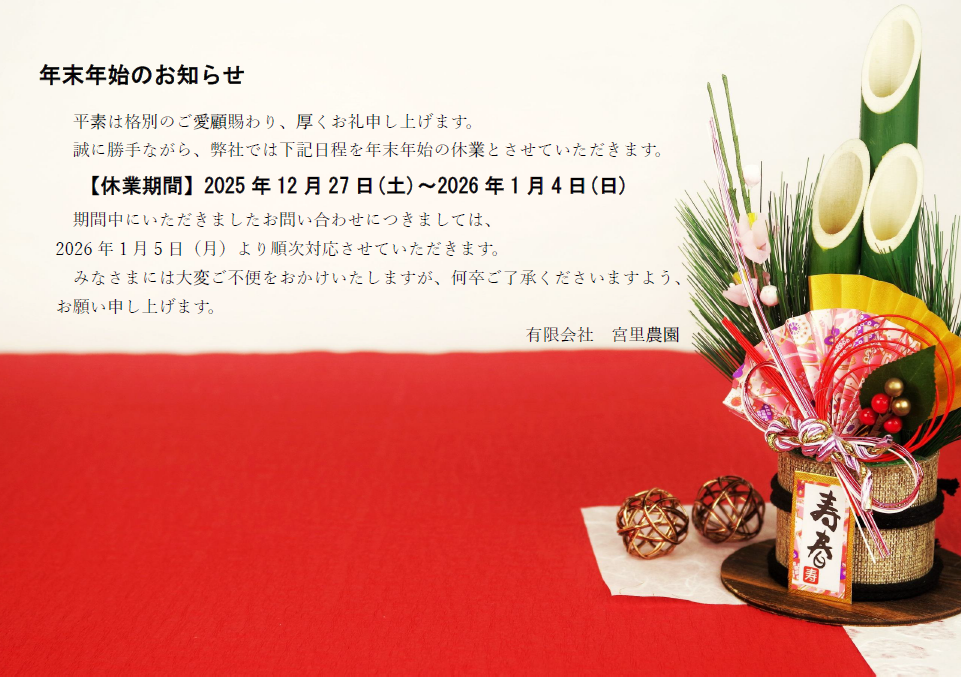
◾️年末年始のお知らせ
◾️島根・岡山・兵庫3県視察研修
〜美しい庭園・風景をみて、美しい地元料理を食べて温泉で心身を癒す〜
<1日目>

早朝6時に那覇空港集合
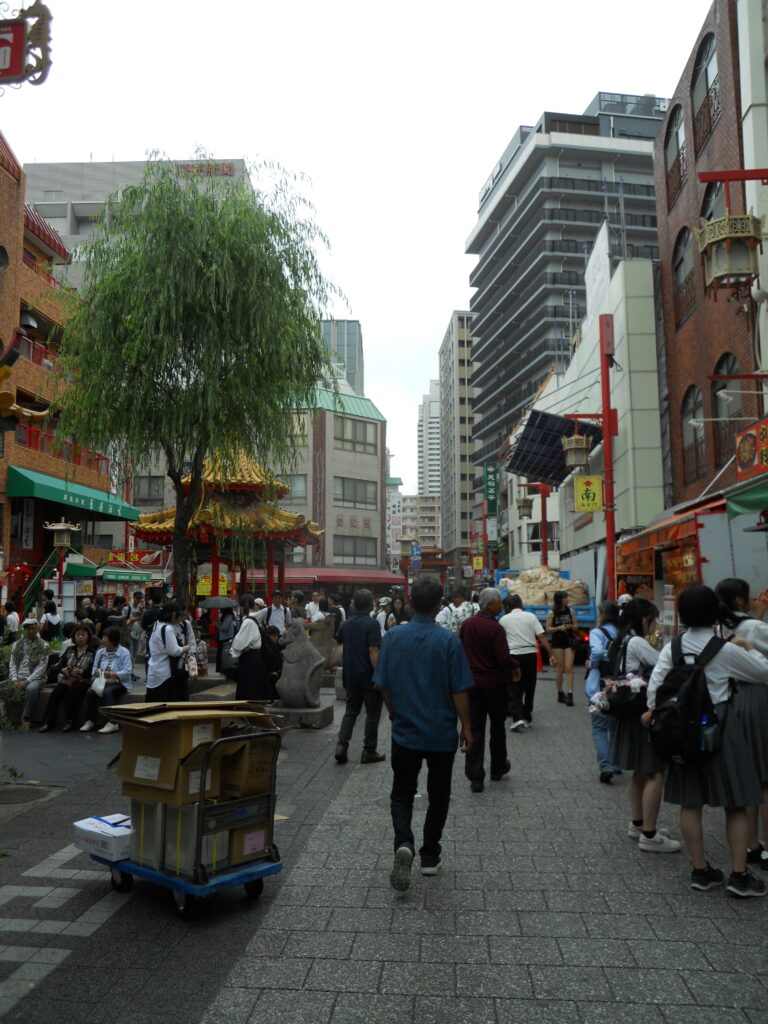
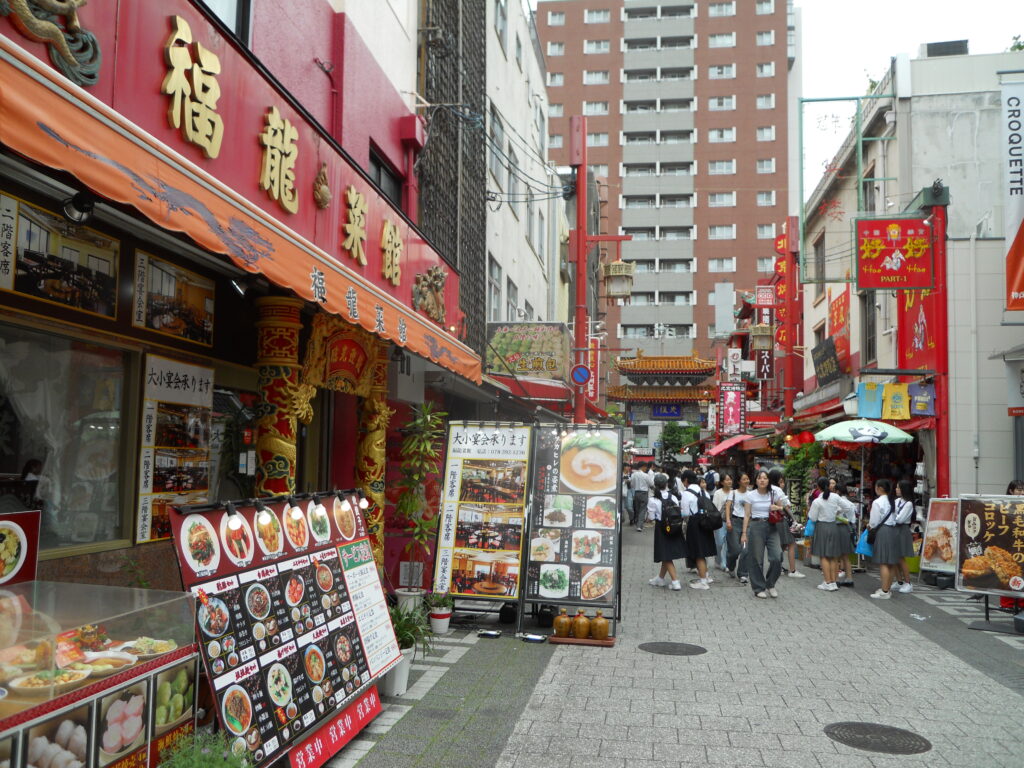
日本三大中華街の一つ「神戸の南京町」で昼食
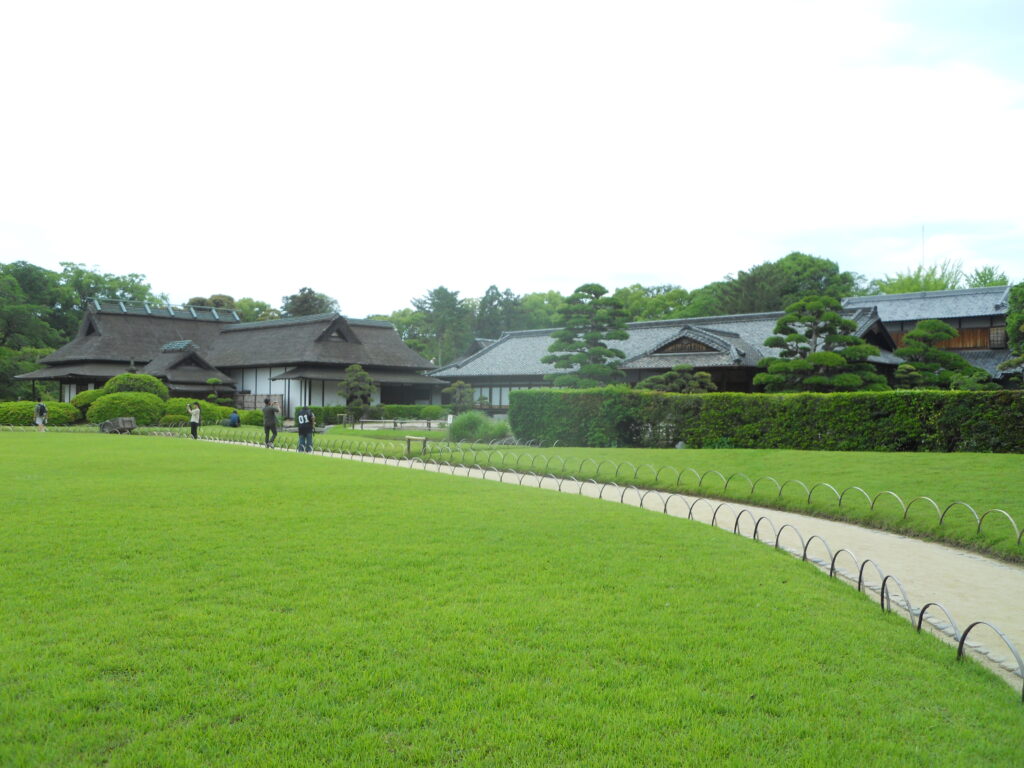
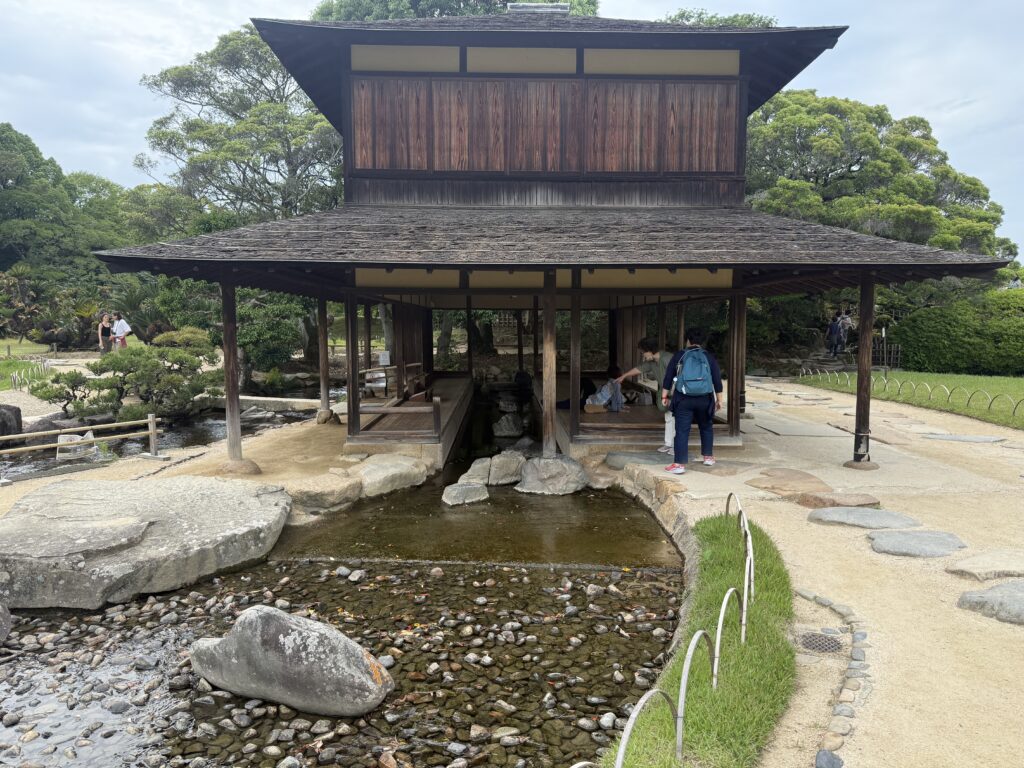
日本三大庭園の一つ「岡山後楽園」
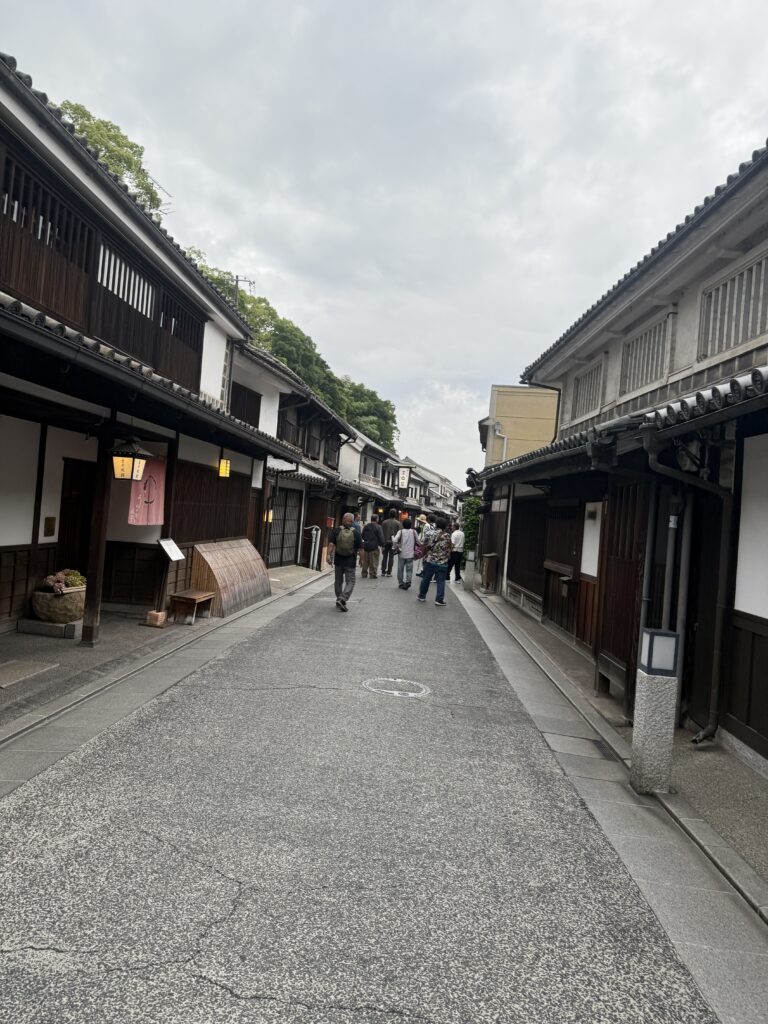
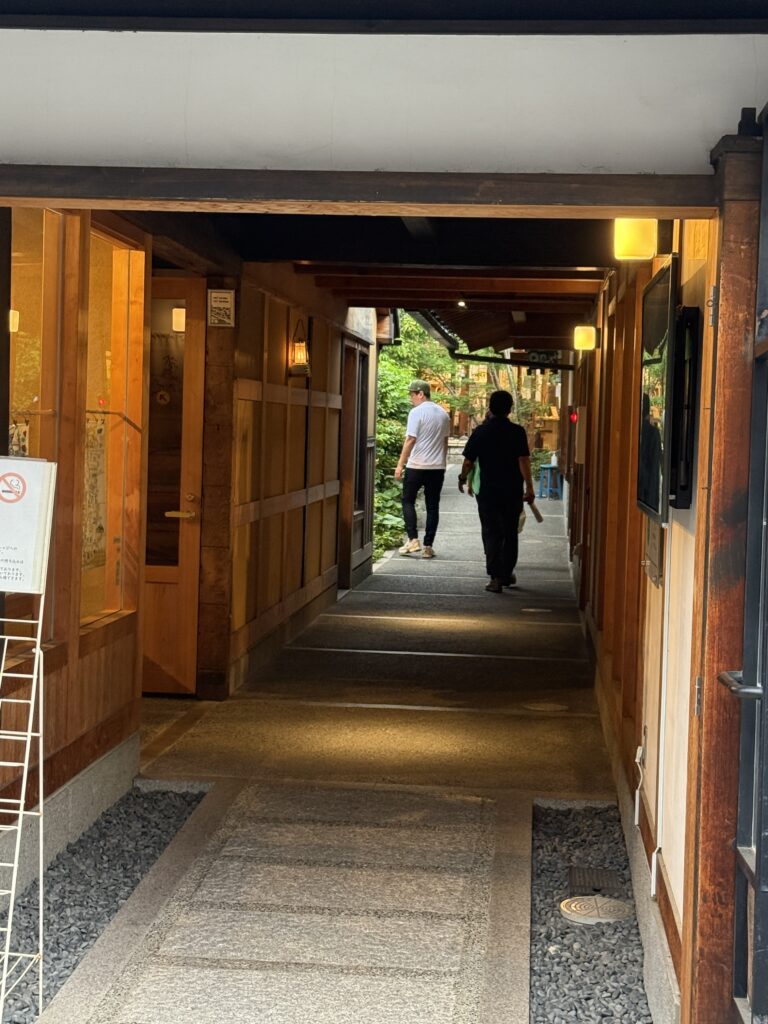
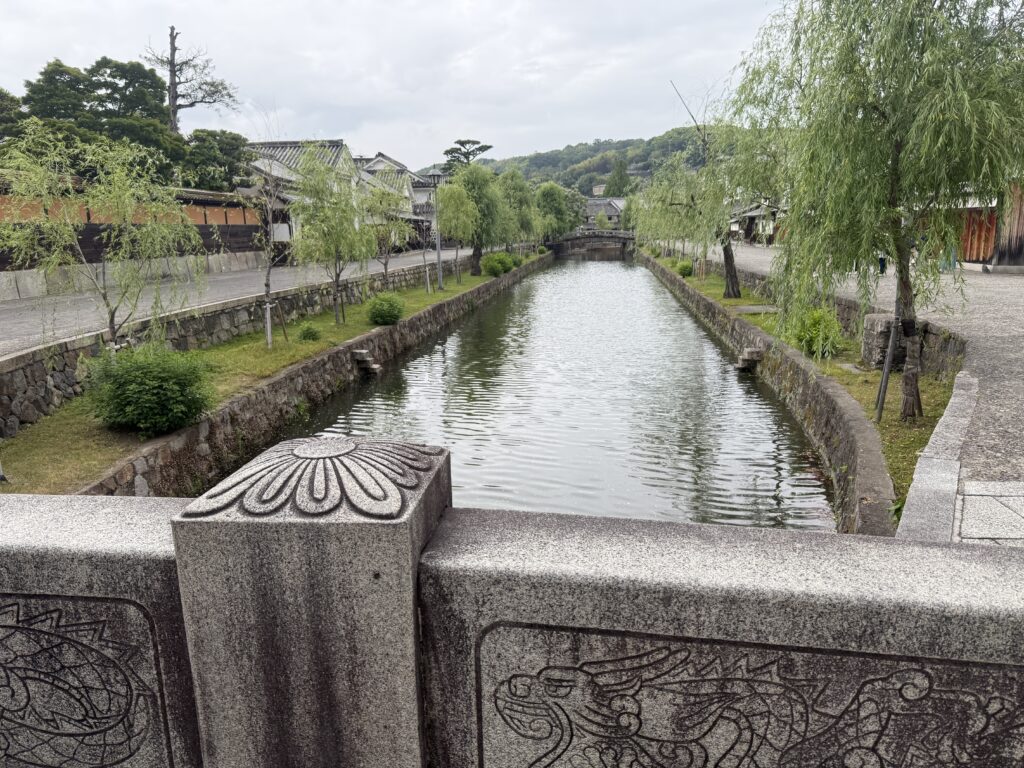
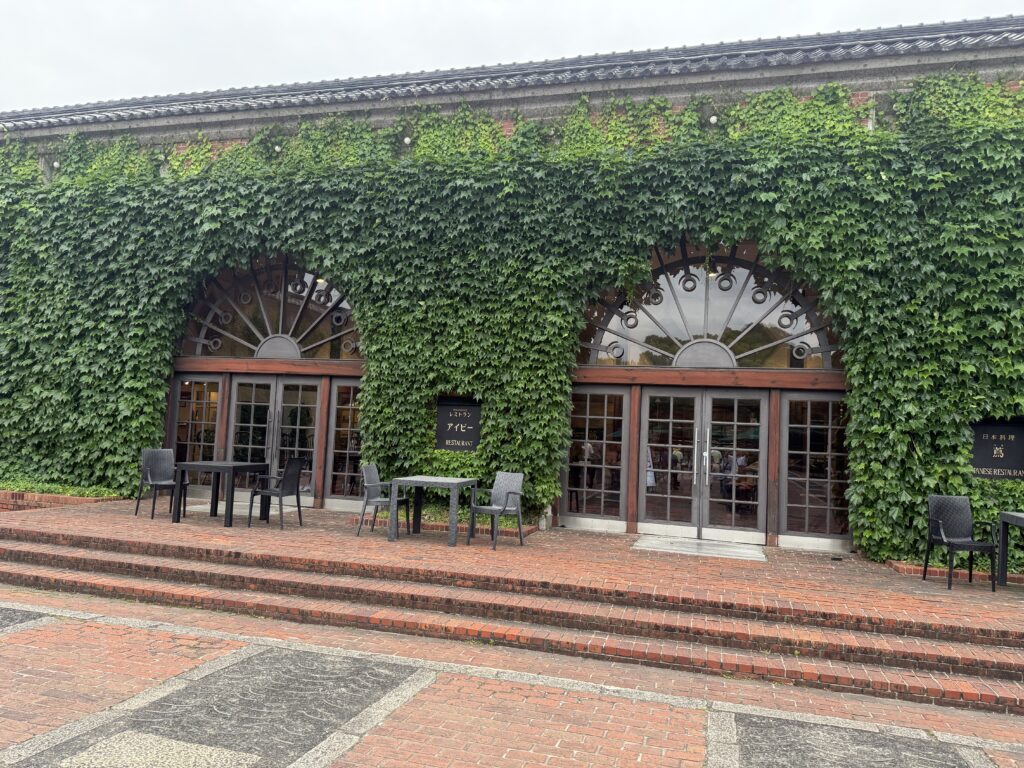
白壁の蔵屋敷群や石畳道、運河に広がるレトロな風景の「倉敷美観地区」
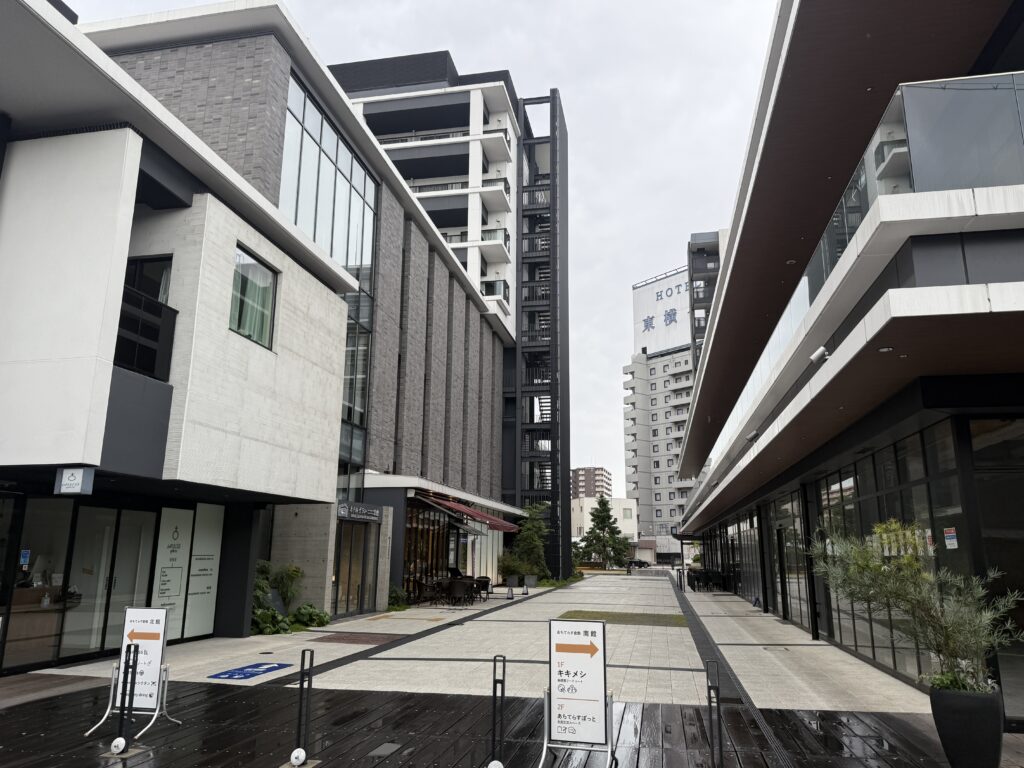

市街地再開発事業で整備された「あてらす倉敷」
<2日目>岡山県・倉敷から島根県・安来市へ2時間半のバス移動。
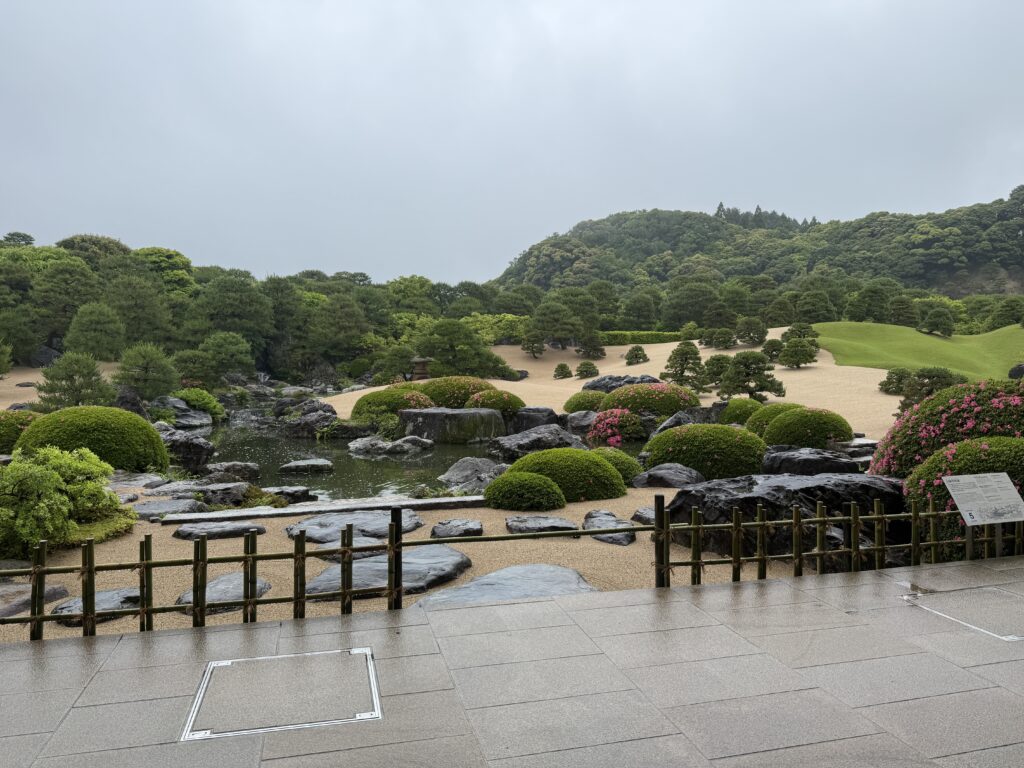
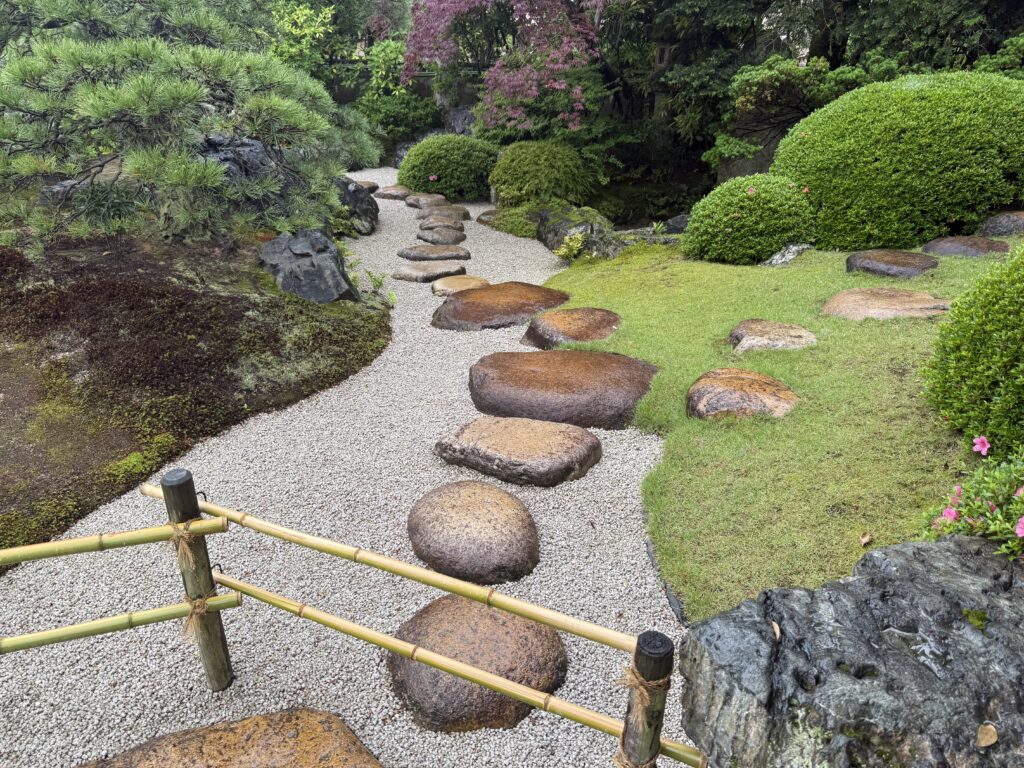

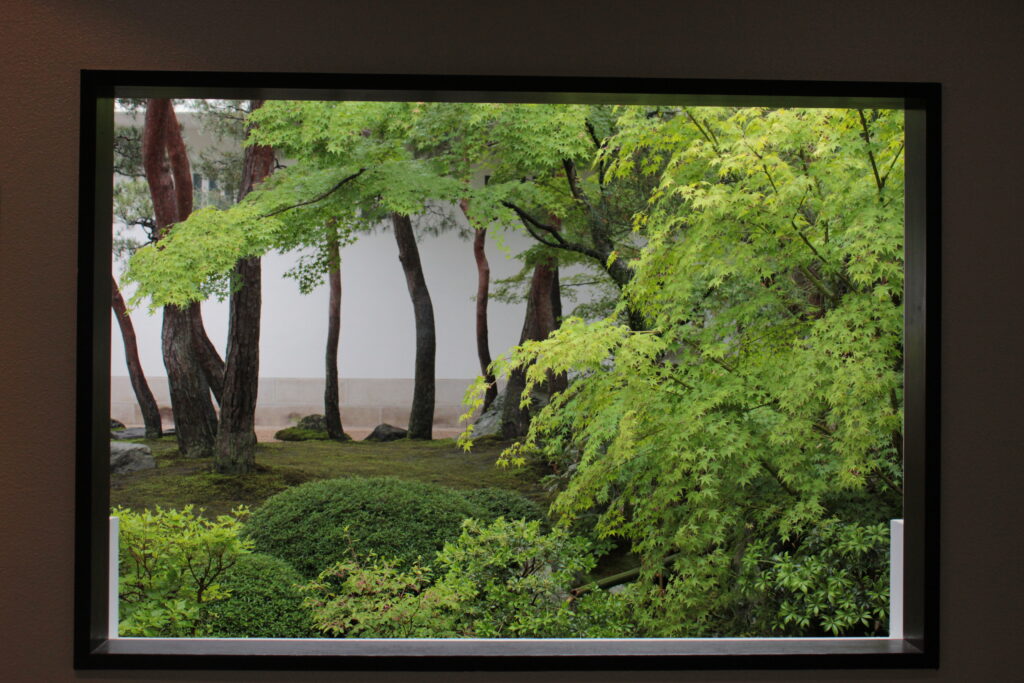
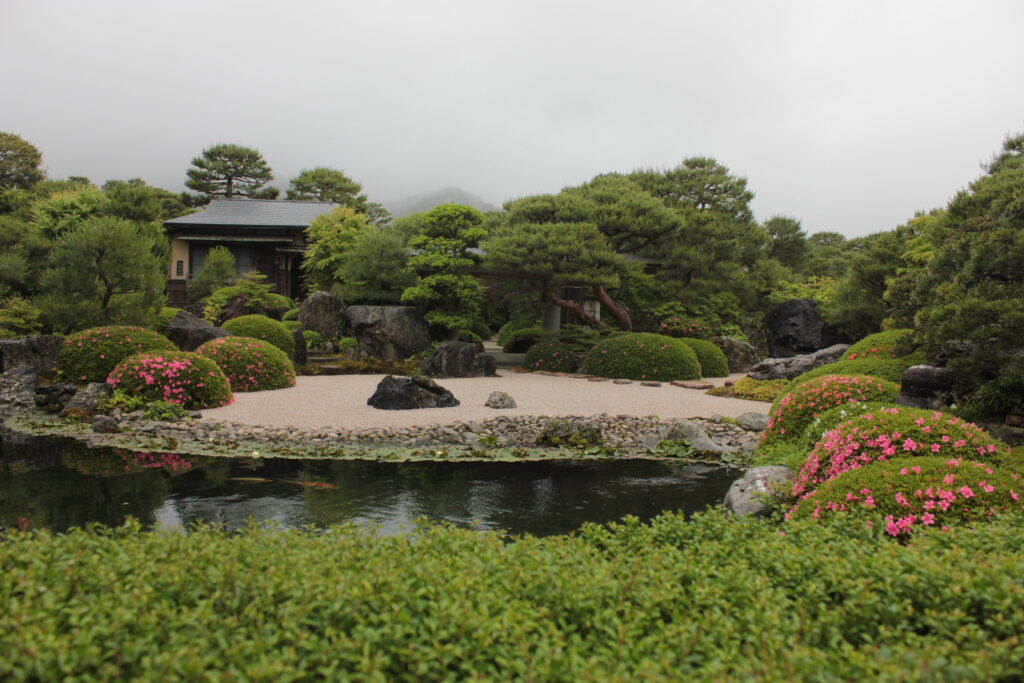
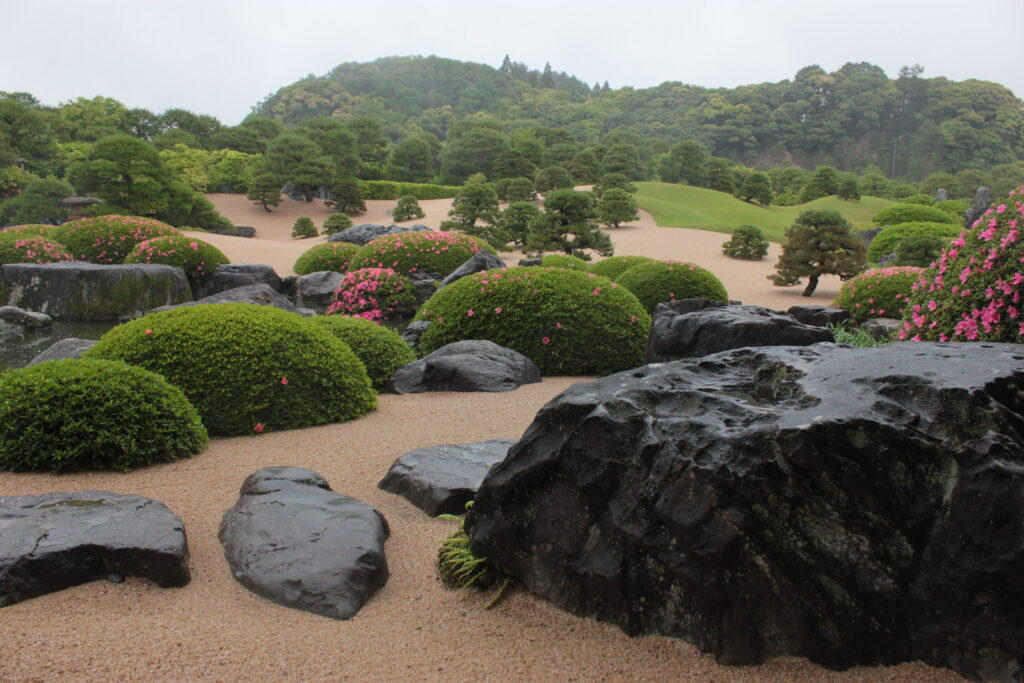
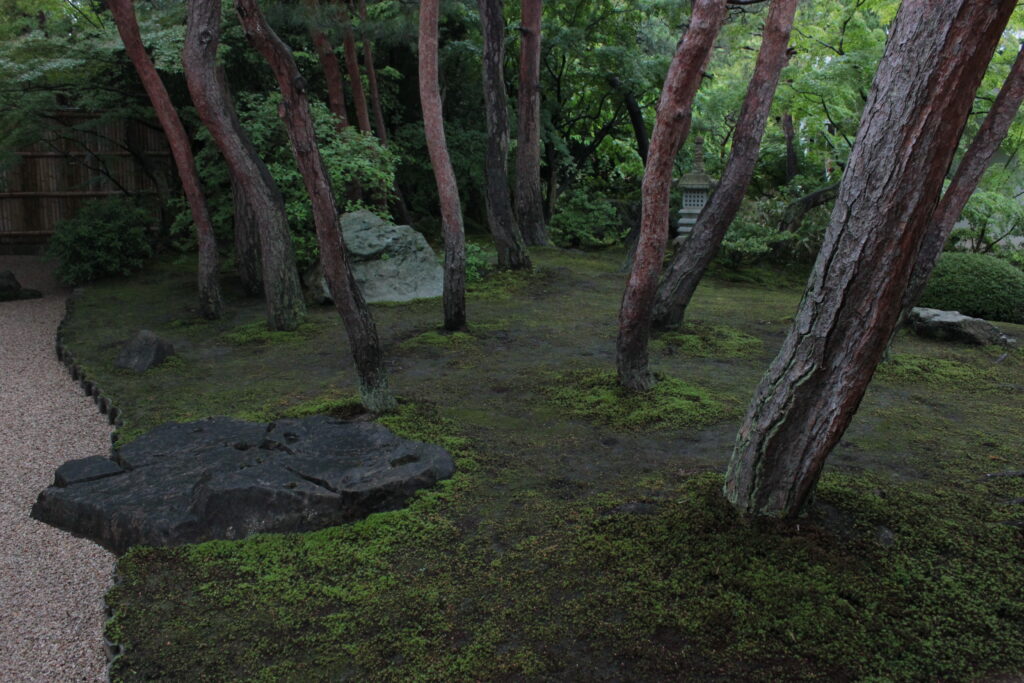
22年連続日本庭園ランキング日本一の「足立美術館」
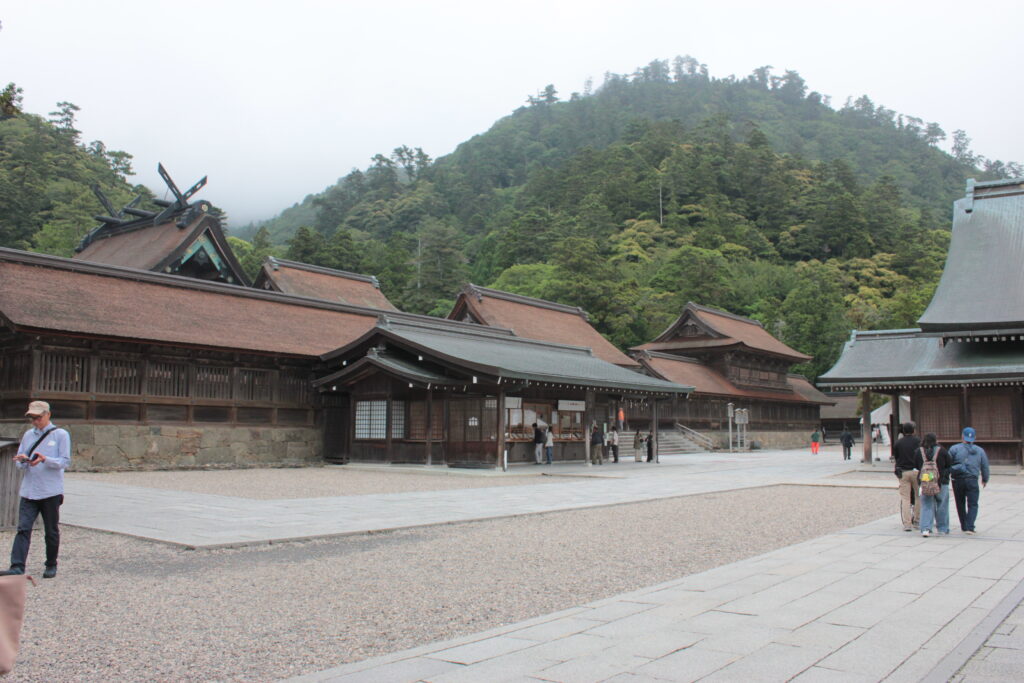
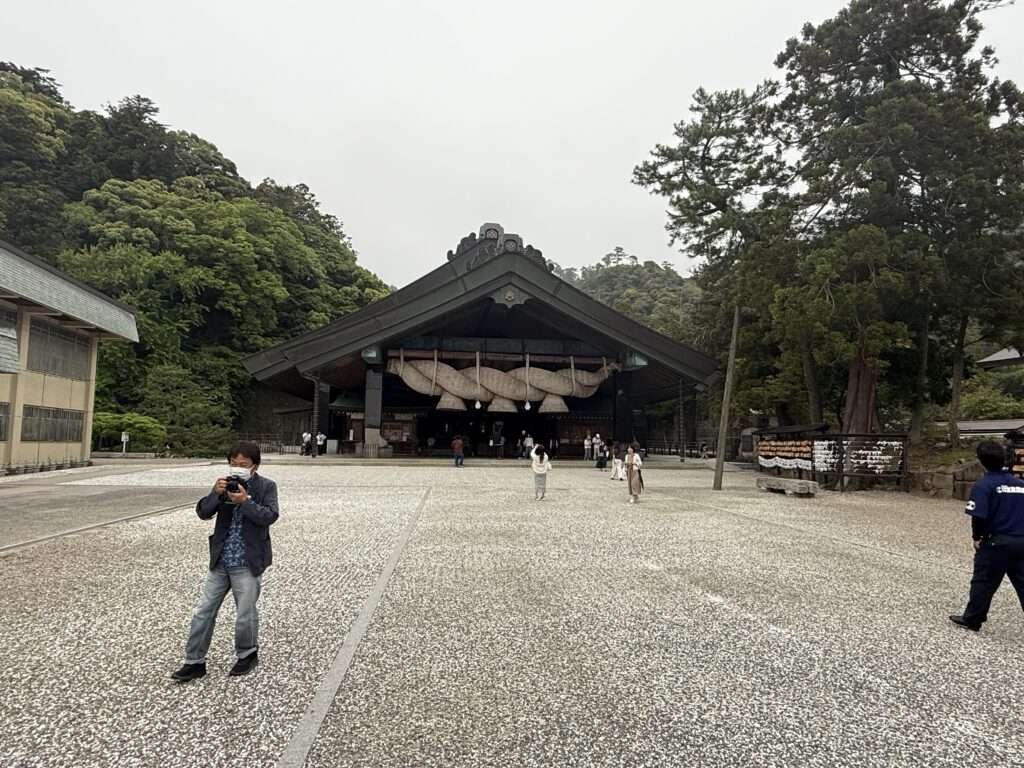
縁結びの神・福の神として名高い「出雲大社」
<3日目>島根県・松江市から兵庫県・姫路市へ約3時間のバス移動。
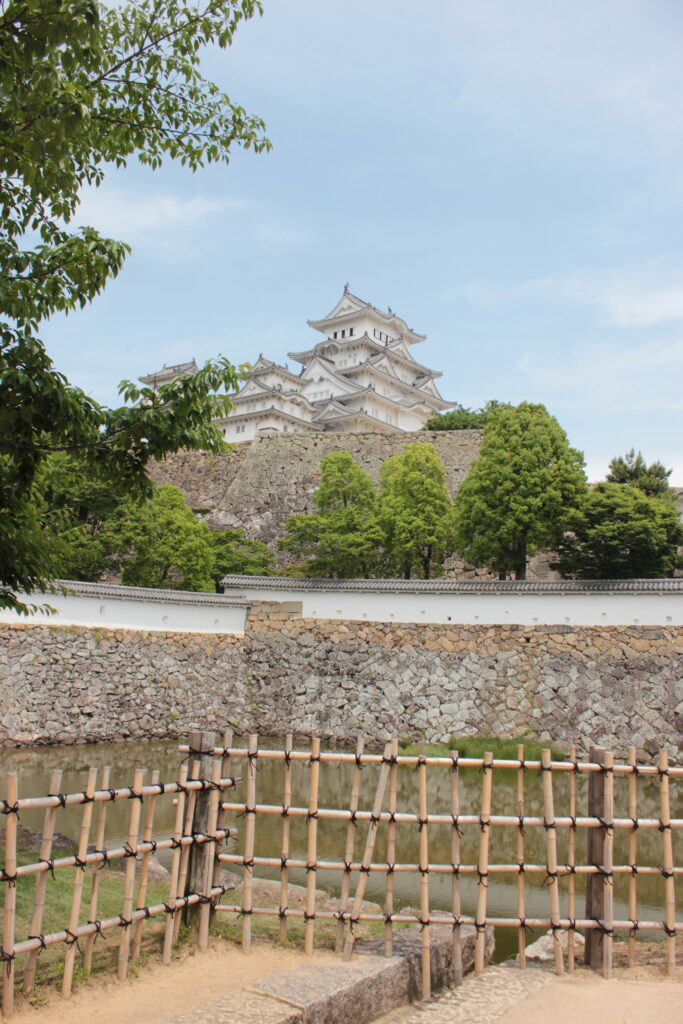
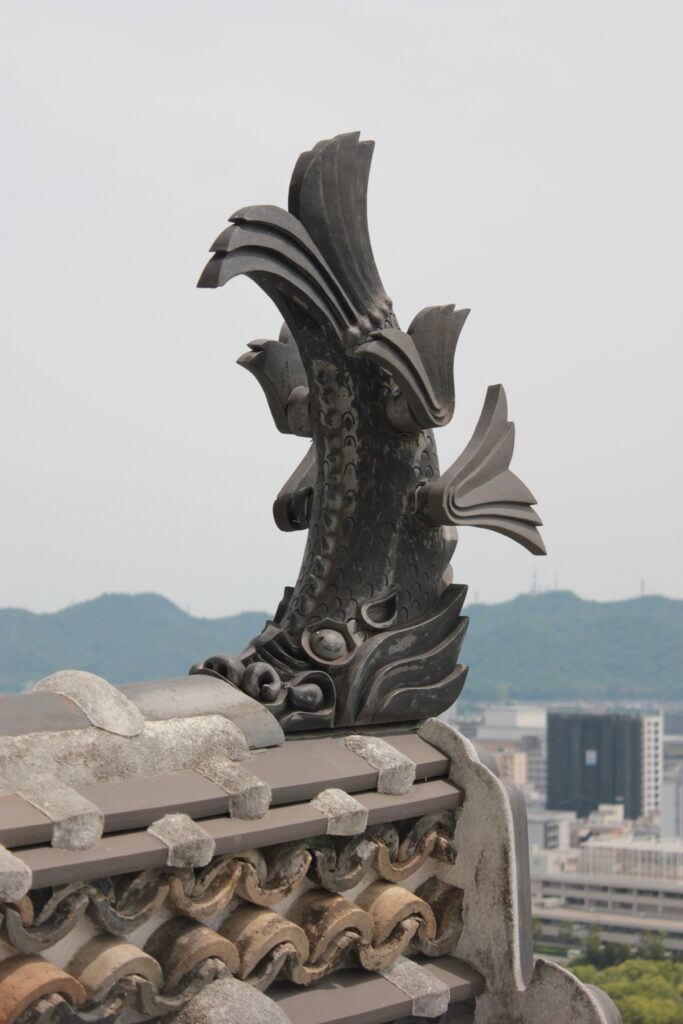
国宝級で日本で最初の世界遺産「姫路城」
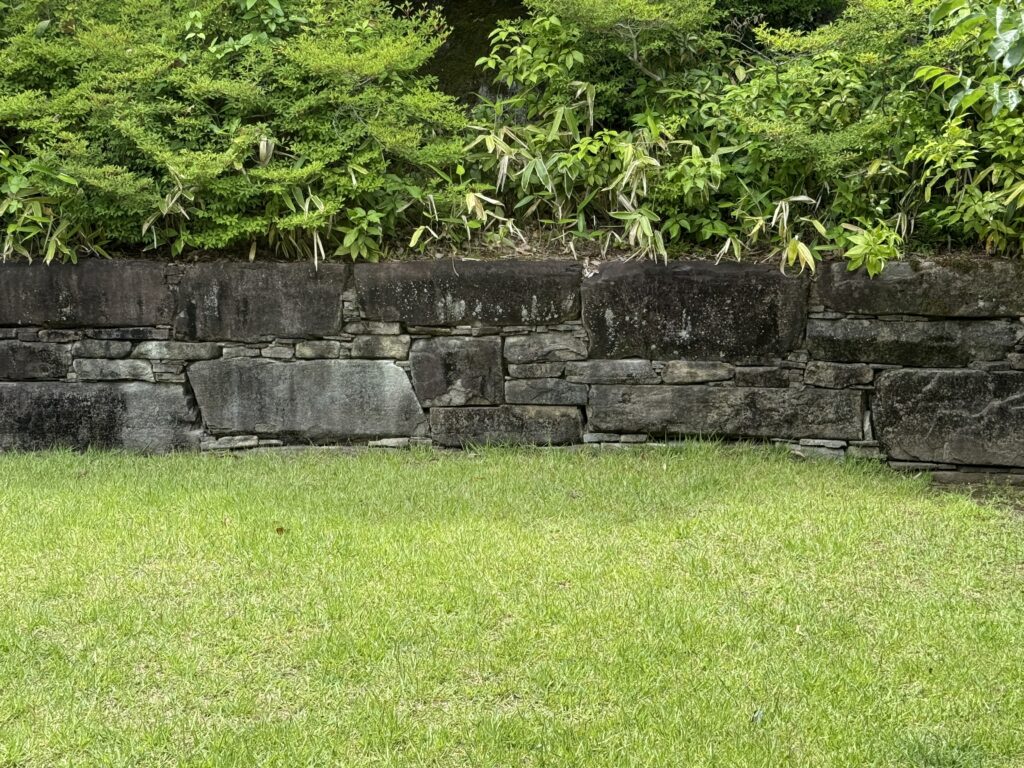
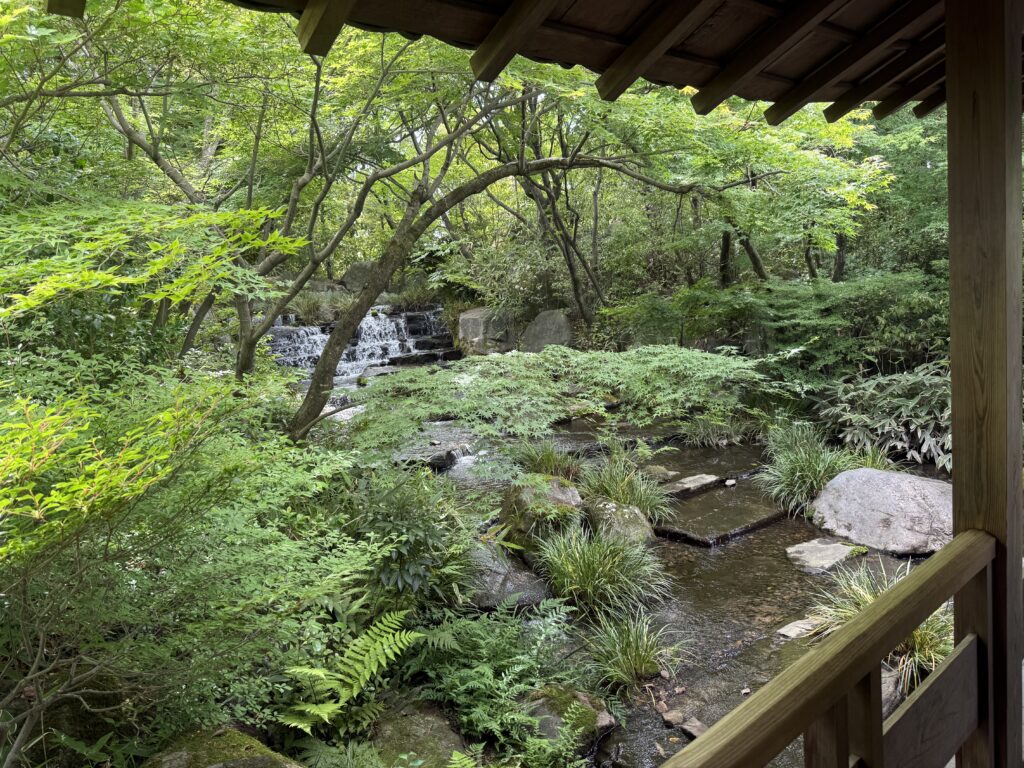
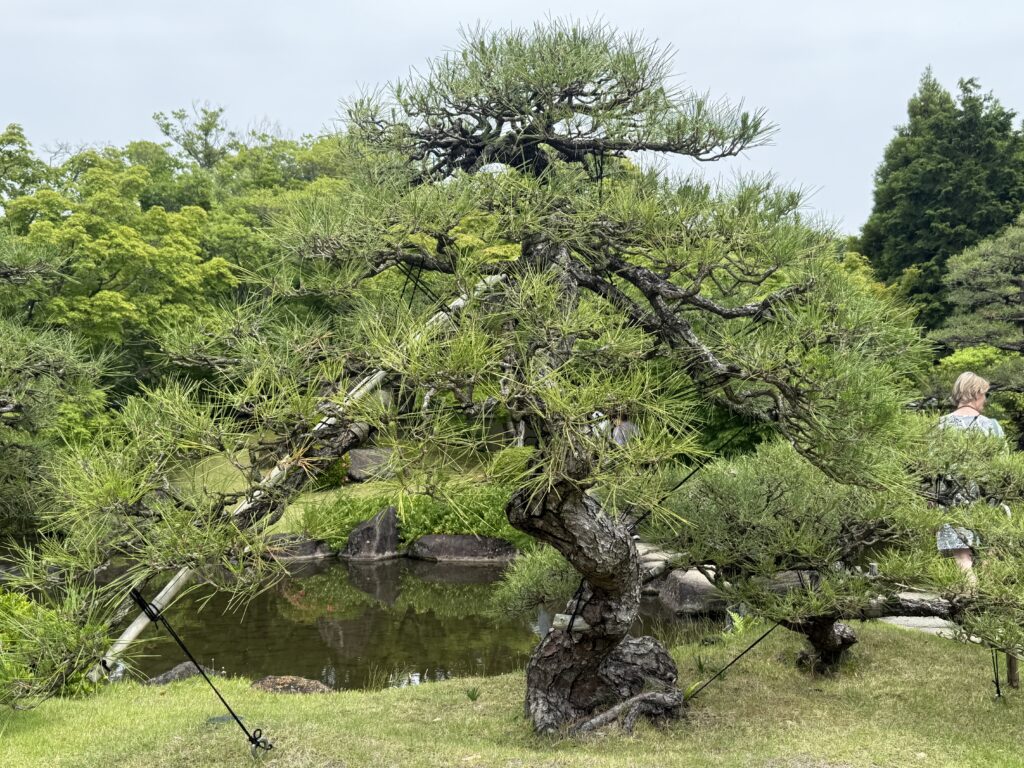
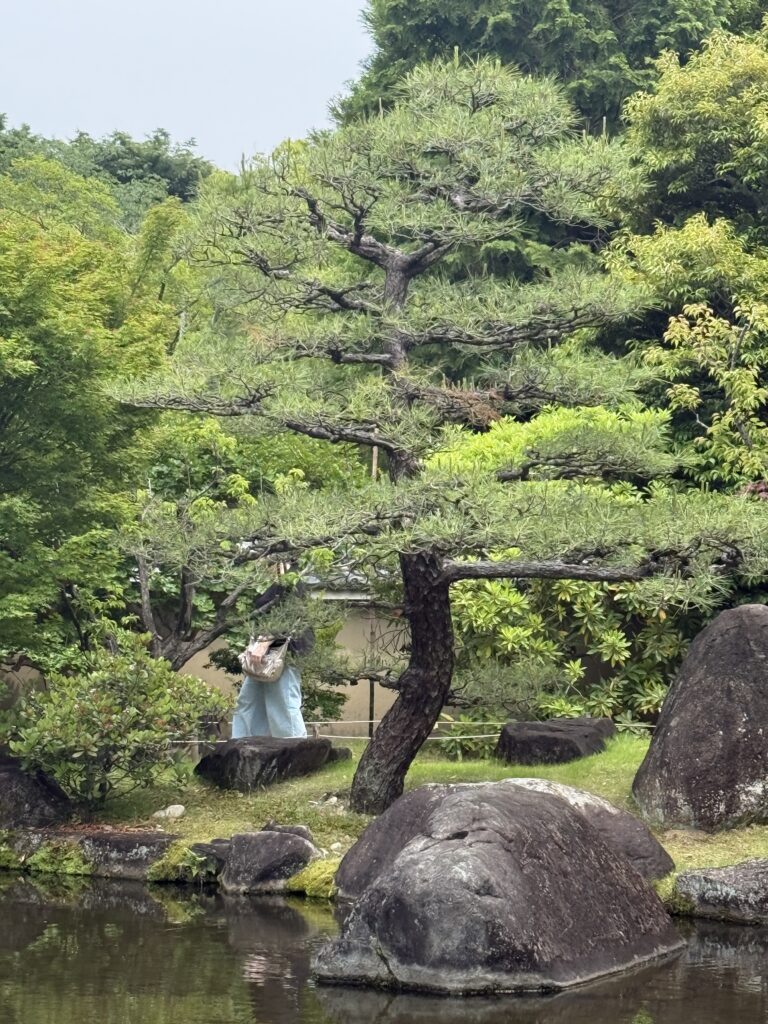
姫路城を借景にした「好古園」
■「雨水(うすい)」、「「にんがちかじまーい(二月風廻り)」、「啓蟄(けいちつ)」、「春分(しゅんぶん)」、「うりずん(陽春)」沖縄の季節を表す言葉
「雨水(うすい):2月18日~3月4日ごろで、雪が雨に変わるころという意味で、沖縄では雨水がぬるみ、草木が目を出します。
「にんがちかじまーい(二月風廻り)」:は、沖縄の伝統的なことわざで、特に旧暦の2月に起こる気まぐれな風や天候を表しています。この時期には天気が非常に変わりやすく、注意が必要だとされています。また、このフレーズは、現代においても「人生の不確実性」や「予期しない変化」に対する柔軟な姿勢を示唆するものとして使われることがあります。何事も計画通りに進むとは限らないからこそ、変化に対応できる知恵や覚悟が大切である、というメッセージが込められているのかもしれません。こうした解釈は沖縄の文化や歴史をさらに深く知る手がかりになるかもしれませんね。
「啓蟄(けいちつ)」:3月5日~3月19日ころで、冬ごもりしていた虫が出て来るころという意味で、沖縄では冬眠をする生き物は知られていませんが、春からは生き物が活発になります。
「春分(しゅんぶん)」:3月20日~4月3日ころで、昼と夜の長さがほぼ同じになる。全国的な「春のお彼岸で沖縄では「ニングァッチヒグァン(二月彼岸)」と言い、2025年は3月17日~23日となります。
「うりずん(陽春)」:「うりずん」は沖縄特有の言葉で、春から初夏にかけての、心地よい季節を指します。特に、旧暦2月から3月頃の暖かく穏やかな時期を表現する際に使われます。この季節は湿気が少なく、風が柔らかく、自然が芽吹き始める時期として、沖縄の人々にとって心穏やかに過ごせる大切な時期です。この言葉は、植物や自然が生命力に満ちる様子を詠んでおり、「生命の息吹」を感じさせる独特な季節の表現と言えるでしょう。素敵な言葉ですよね!
■年末年始の休業について
2024-1024x724.jpg)
平素よりご利用いただき、誠にありがとうございます。
年末年始休業につきまして、下記の通りご案内いたします。
休業期間:12月29日(日)~1月5日(日)
※メールのお問い合わせは休業期間中も受け付けておりますが、休業期間後の回答となります。
■刈払機取り扱い安全講習の開催支援
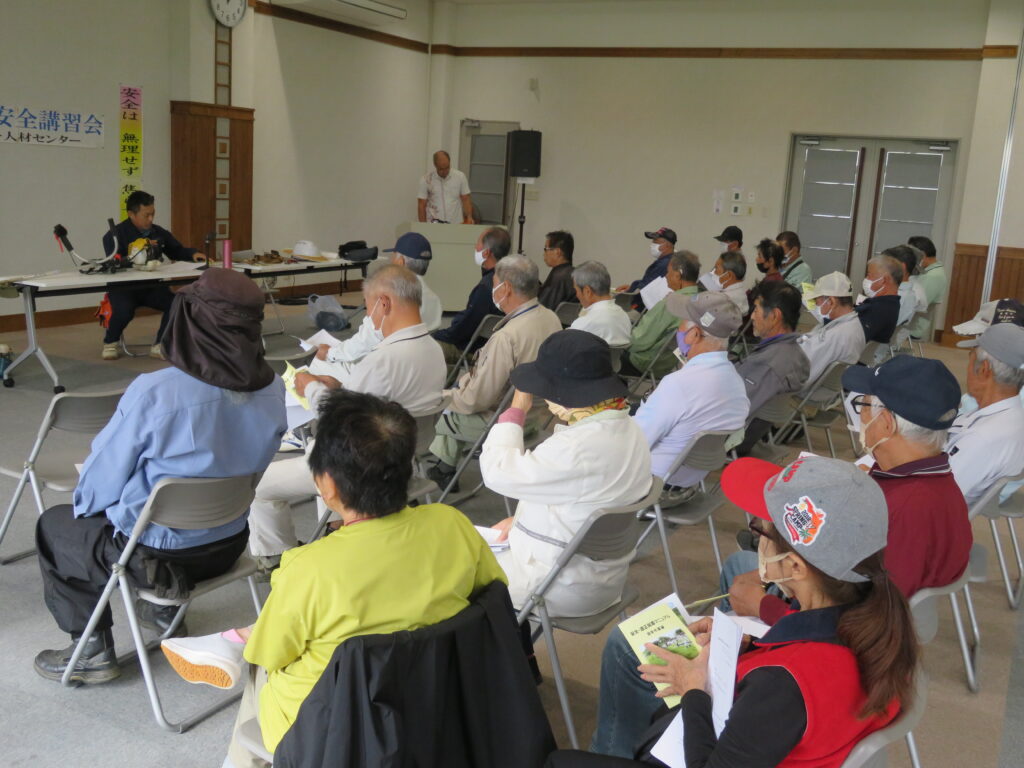
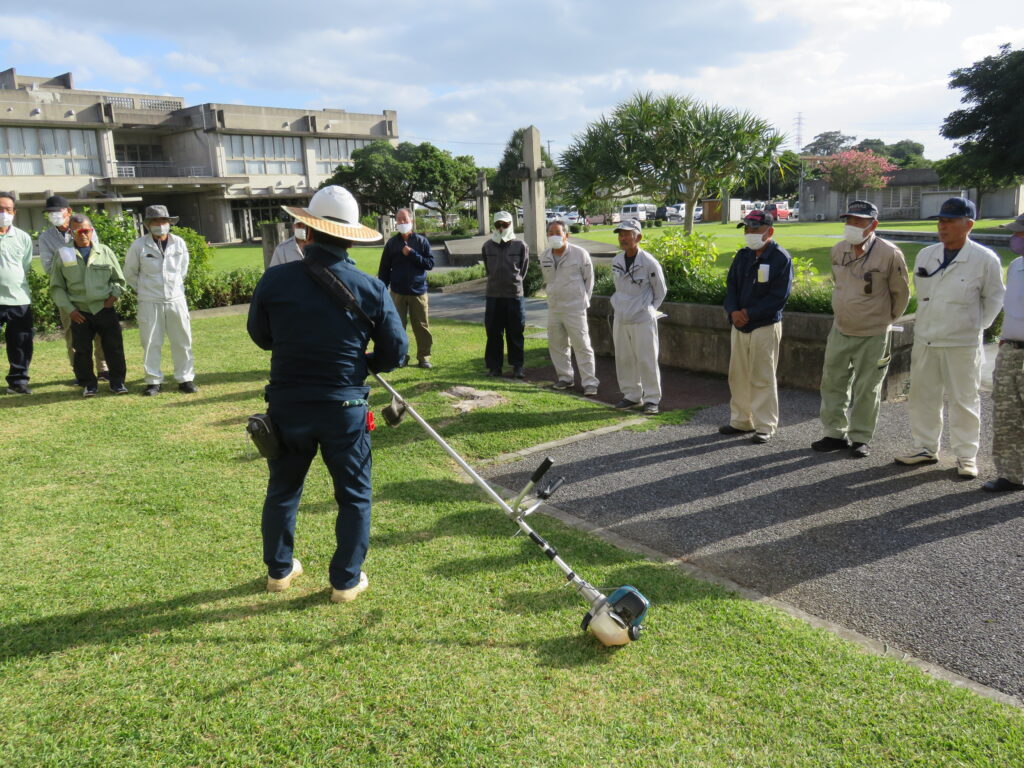
(公社)うるま市シルバー人材センターから依頼を受け、刈払機取り扱い安全講習をいちゅい具志川じんぶん館 大研修室・広場で実施(令和6年11月29日令和6年11月29日)させて頂き、多くの先輩方の参加(28名)がありました。
刈払機は草刈り作業の効率化に役立つ道具ですが、取り扱いを誤ると、思わぬ事故につながる危険性があります。
今後の公園や道路の草刈り作業で安全に刈払機を使用するための知識と技術を習得し、事故の防止および安全な作業環境の確保に貢献できれば幸いです。
■企業理念と行動指針について

企業理念や行動指針等を策定しました。
パーパス(存在意義)
:「緑の力で暮らしを豊かに、未来を拓く。」
メッセージスローガン(印象的謳い文句)
:「緑の力で暮らしを豊かに」
ビジョン(めざす姿)
:「緑の力を通じてお客様に“幸せや安心、感動”を提供し、緑豊かな暮らしを世界や未来につなぐ」
スピリット(社是)
:「仕事はまじめに、おもしろく。会社は信頼される100年企業をめざして。」
クレド(行動規範)
「1 感謝と思いやりを忘れない」
「2 柔軟性のある対応をしよう」
「3 いつも正直に謙虚でいよう」
「4 協力しあい、助けあおう」
「5 自分と仲間の健康と命を守ろう」
「6 物を大切にしよう」
「7 オリジナリティを持とう」
「8 人格を高めよう」
「9 責任を果たそう」
「10 自己成長を促進しよう」
■東京

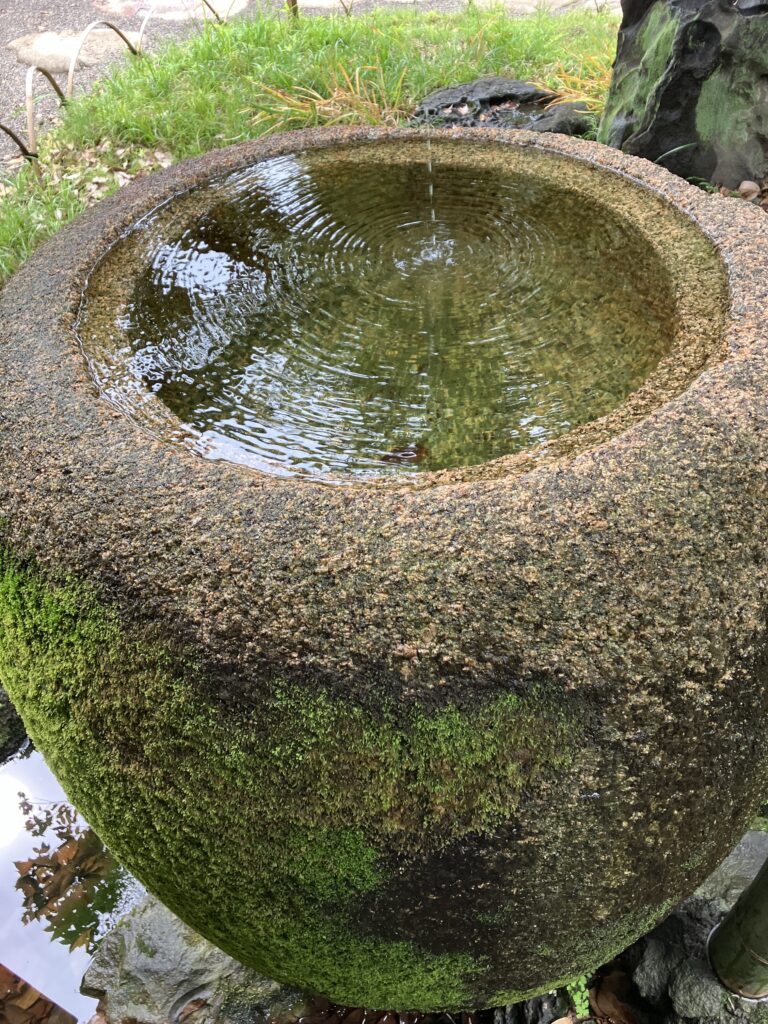
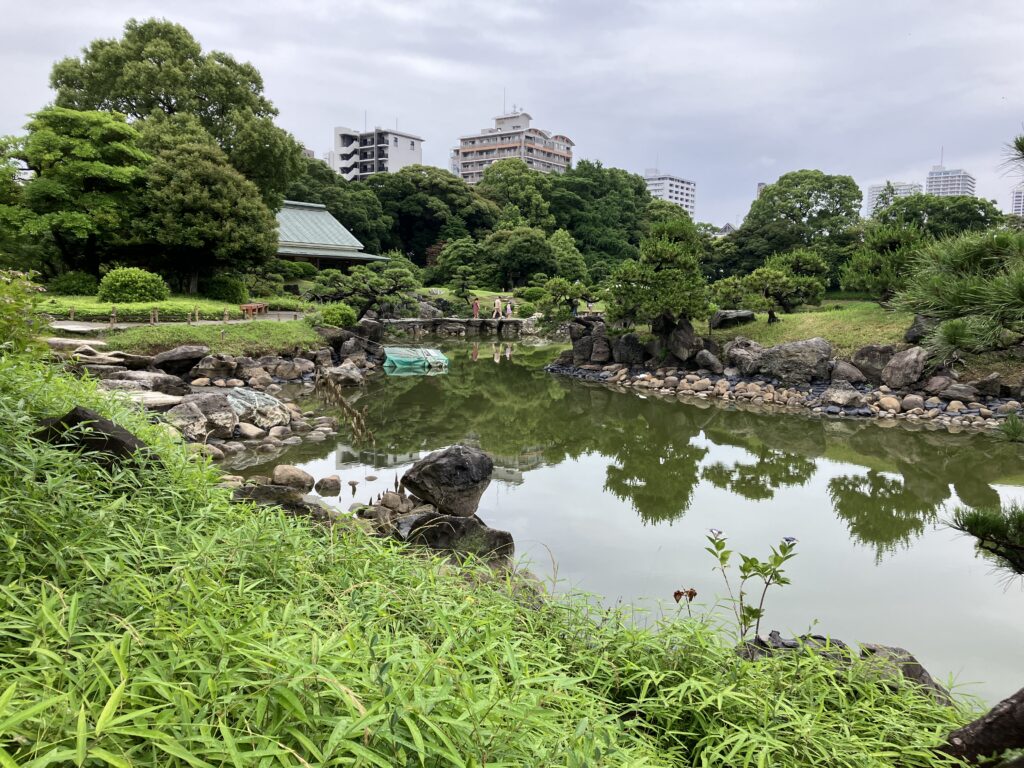
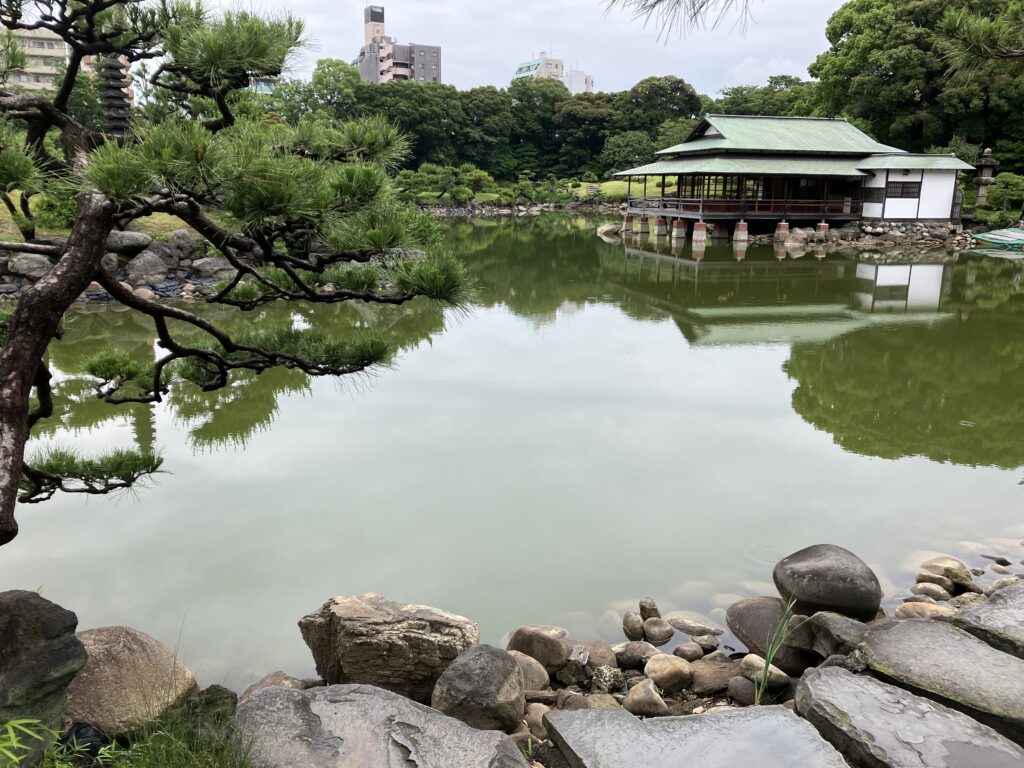
東京スカイツリー・清澄庭園
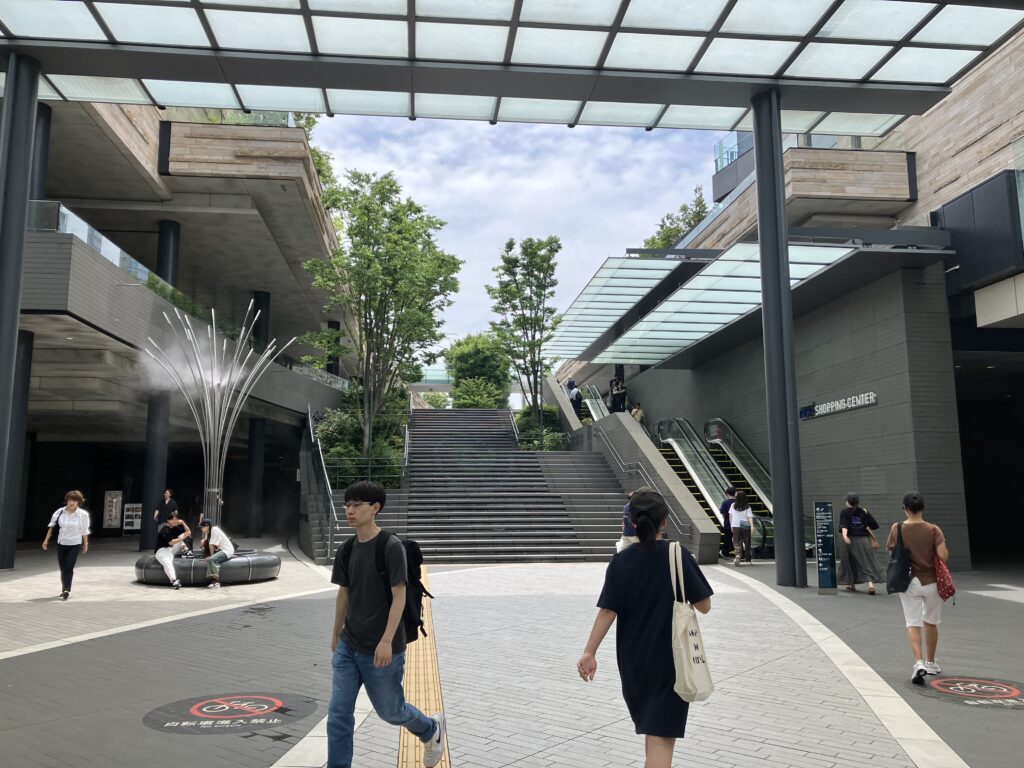
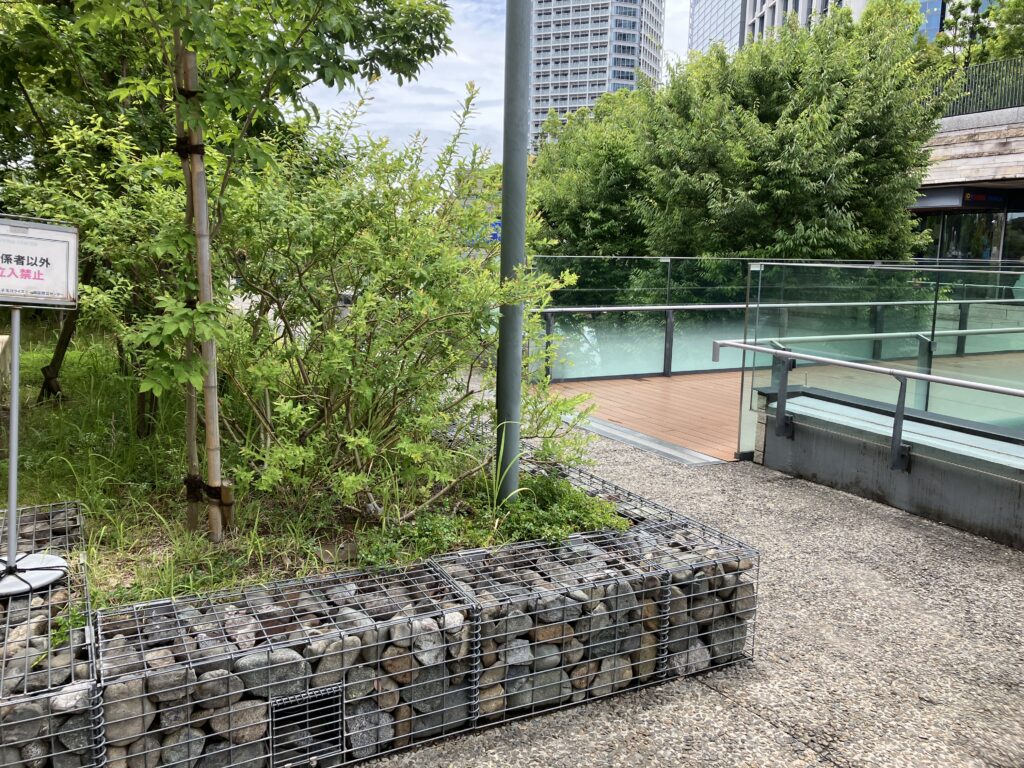
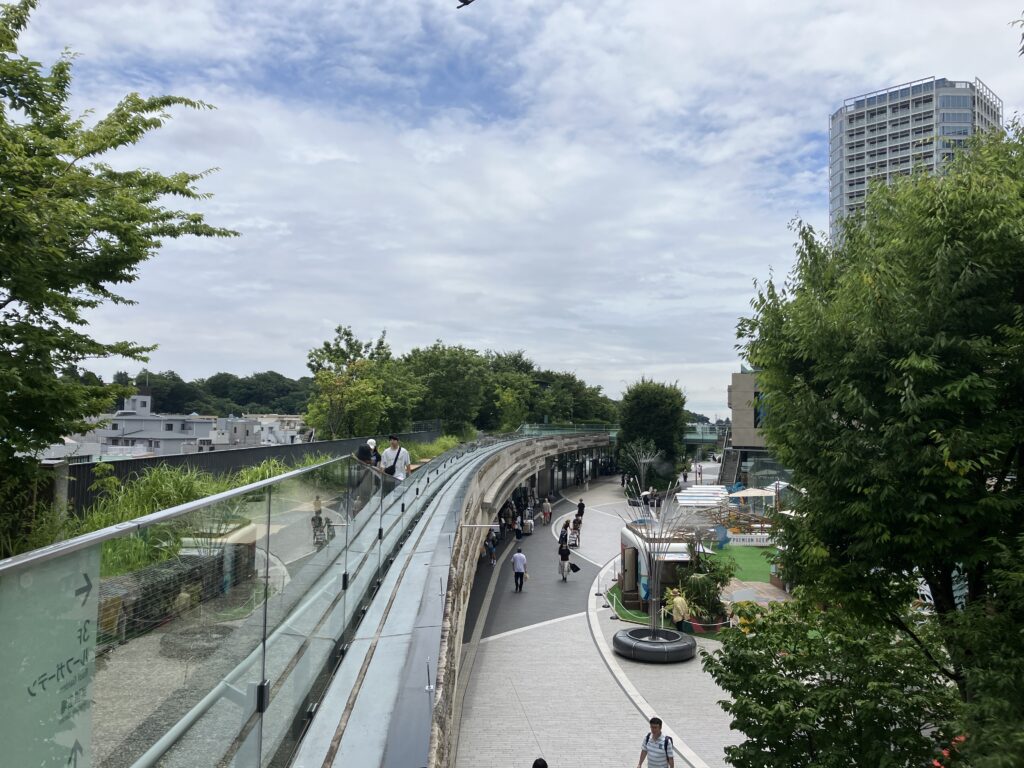
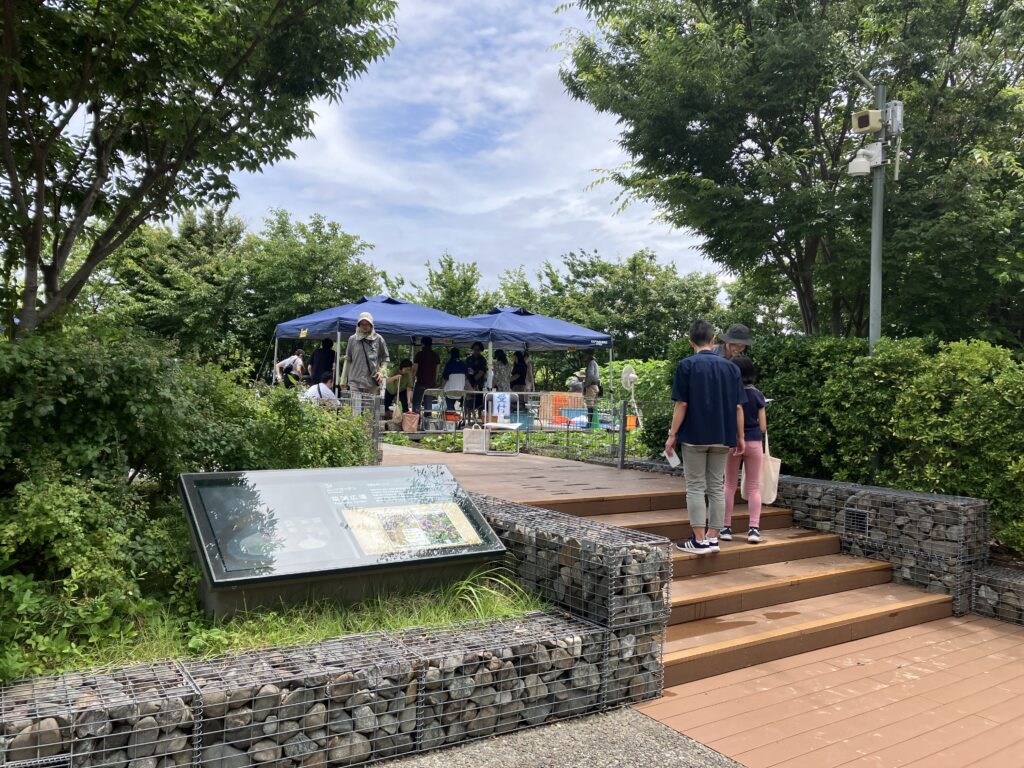
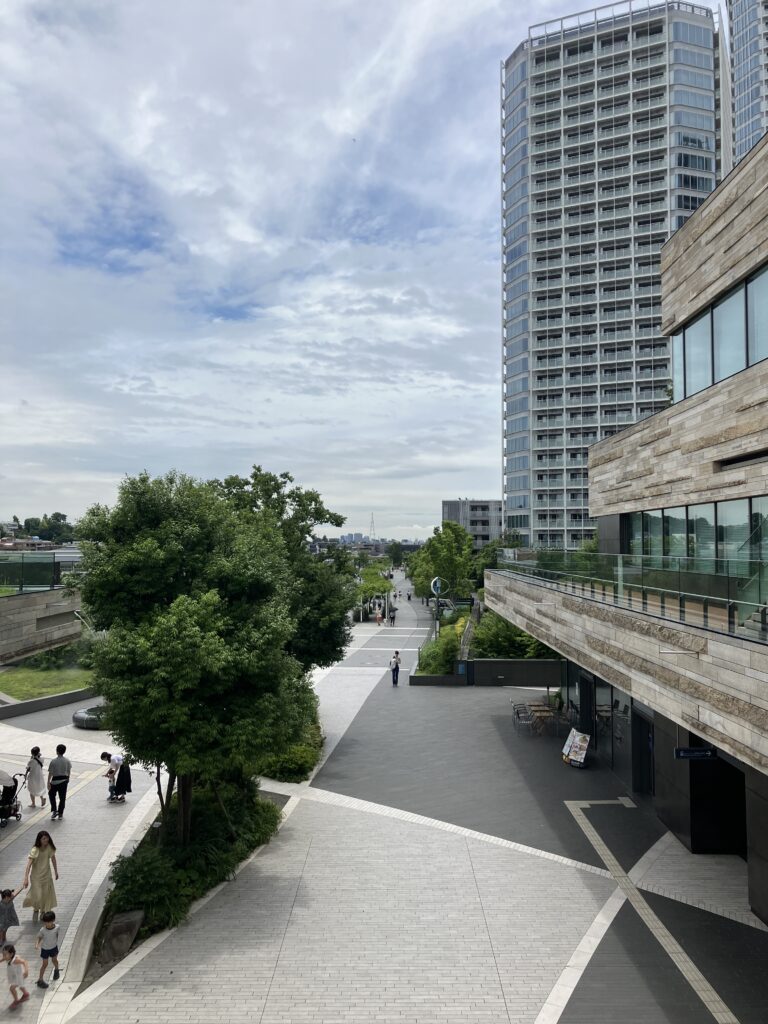
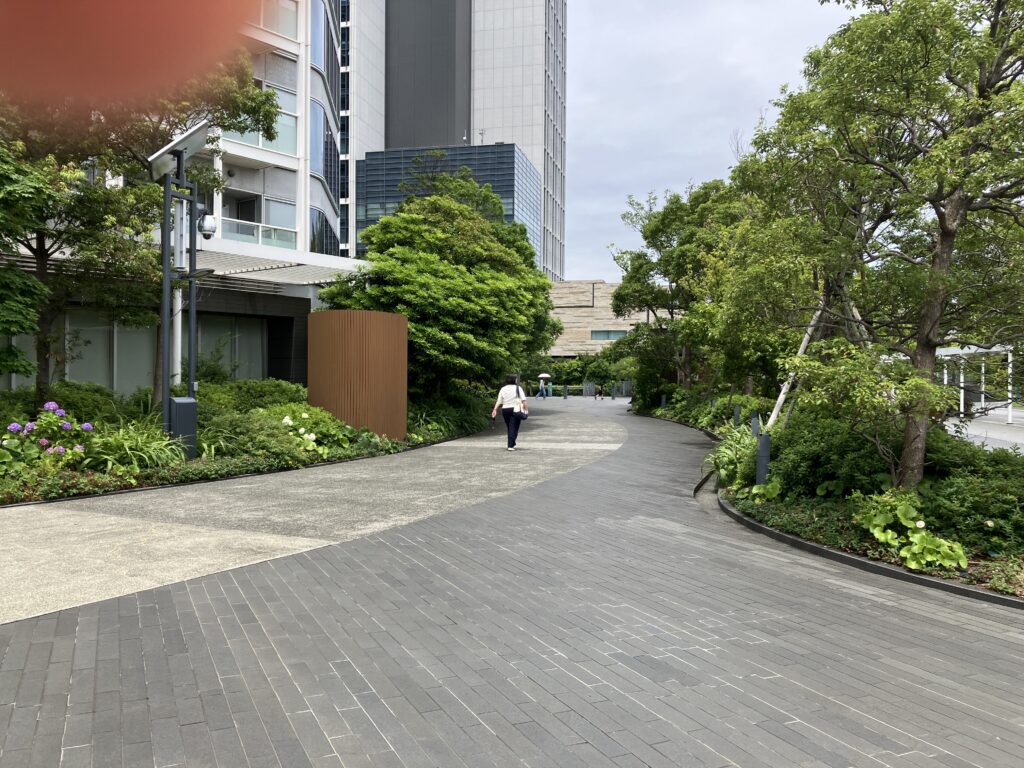
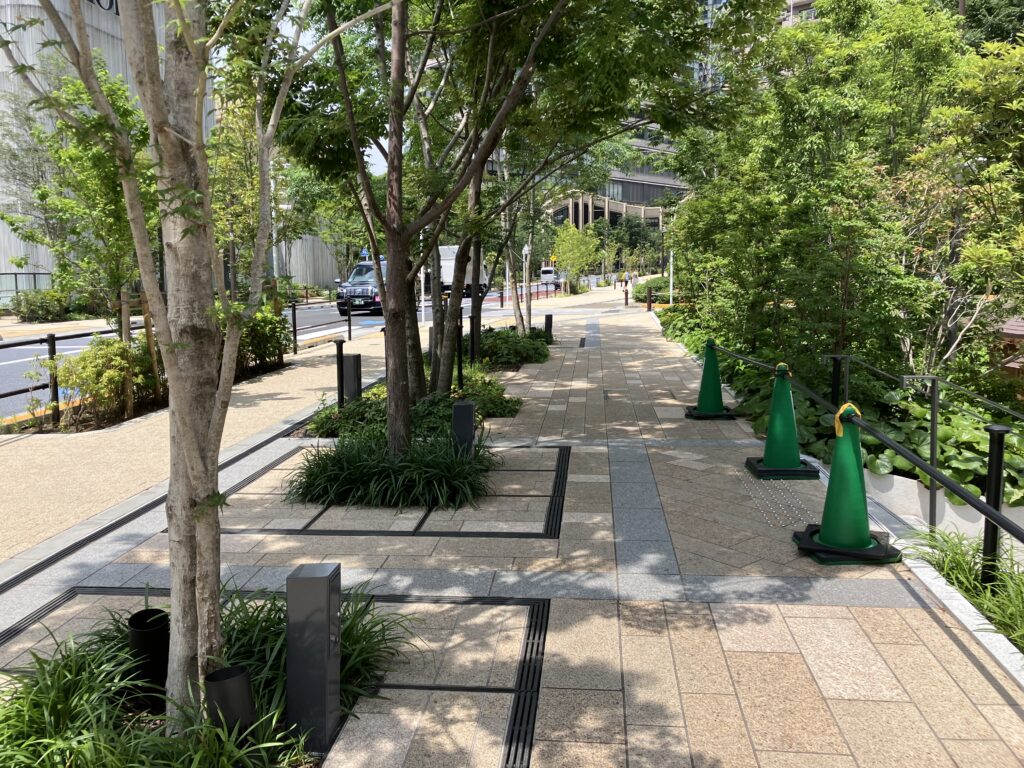
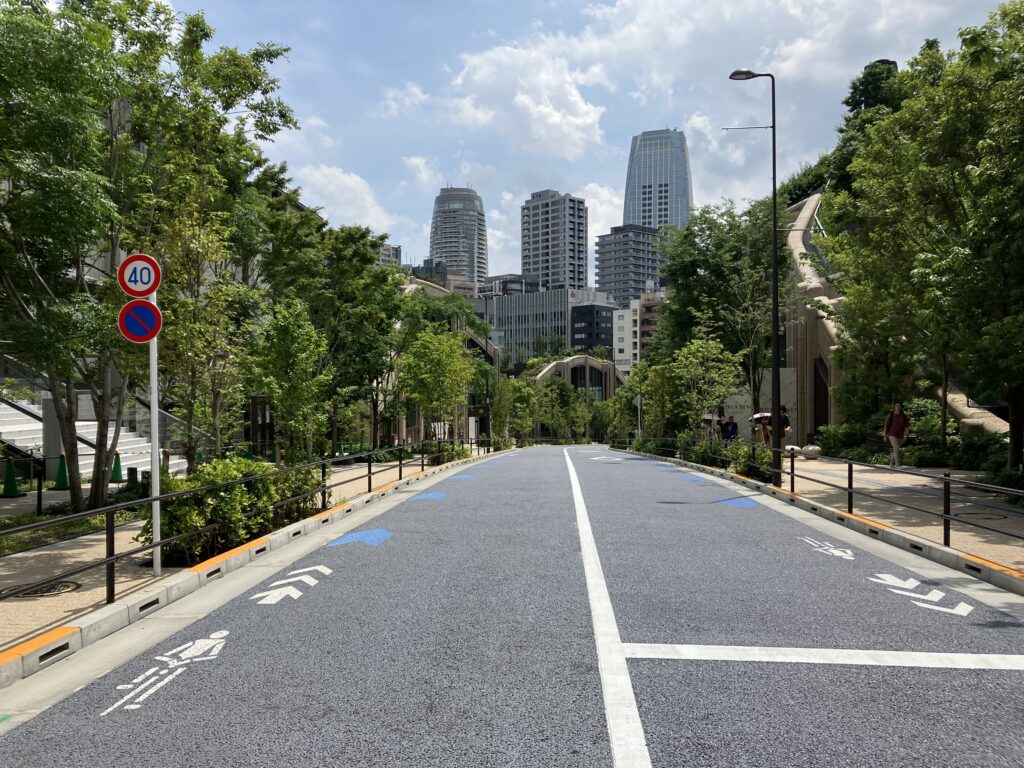
二子玉川ライズ(市街地再開発事業)・ルーフガーデン

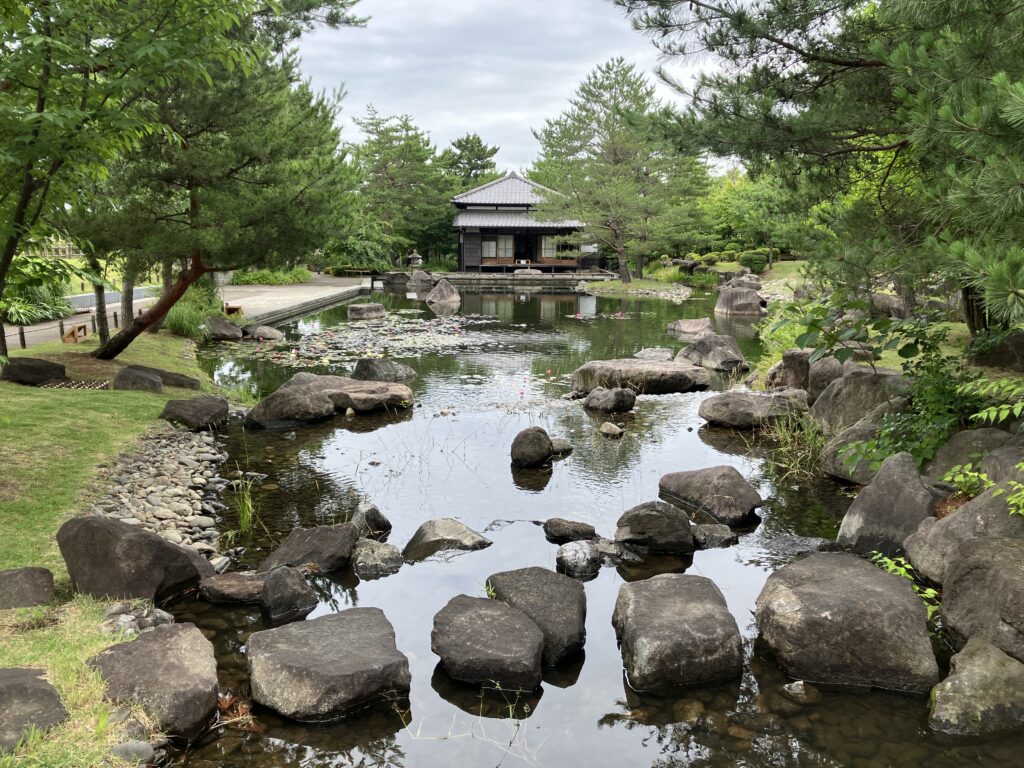
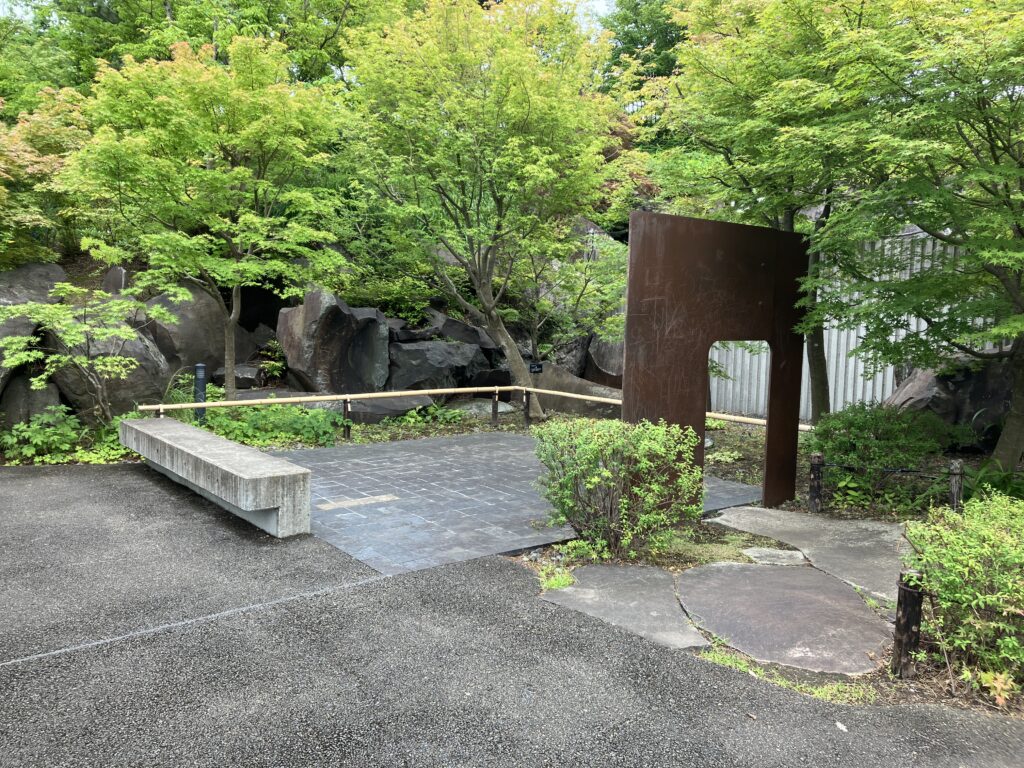
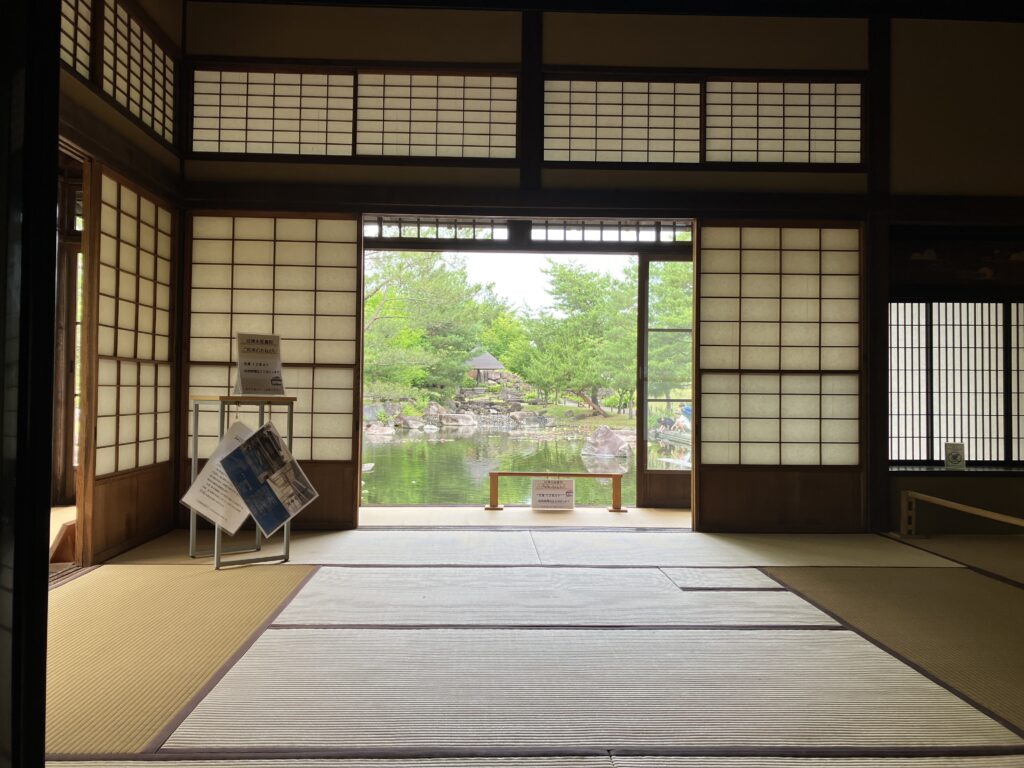
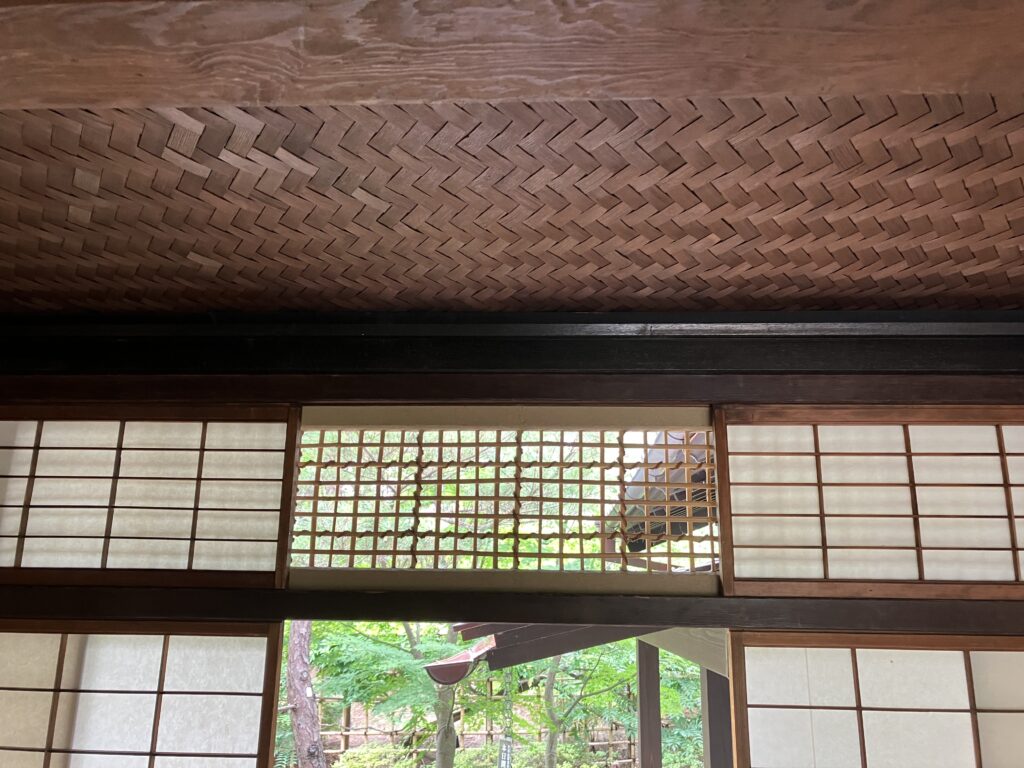
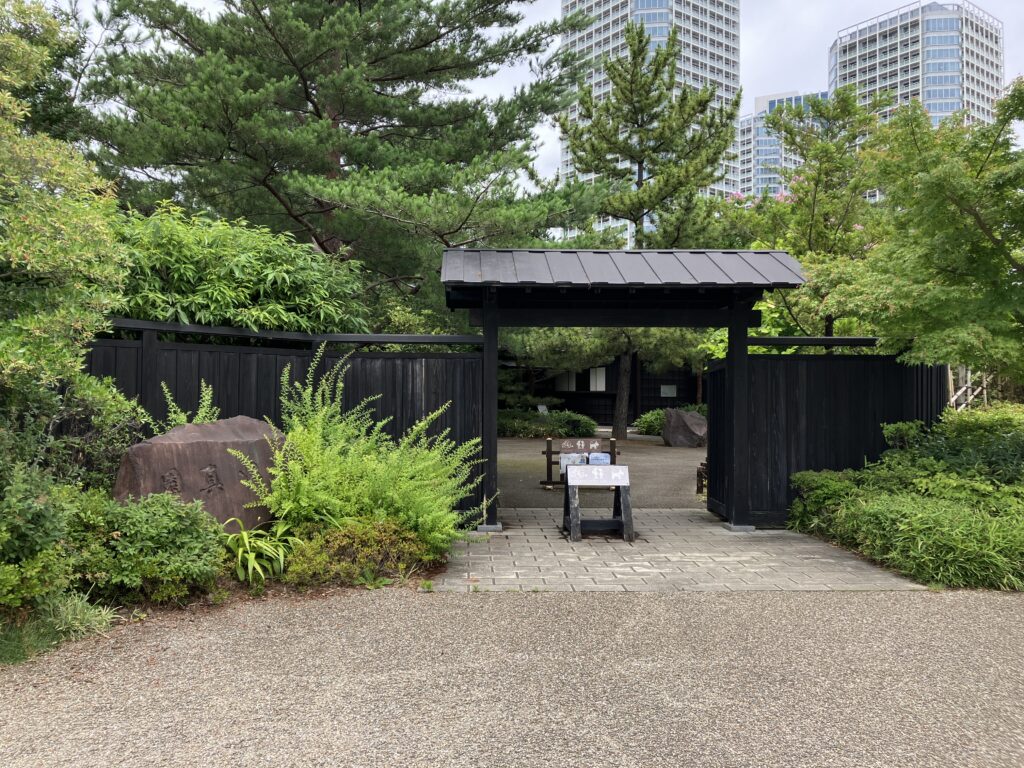
帰真園

帰真園

二子玉川公園
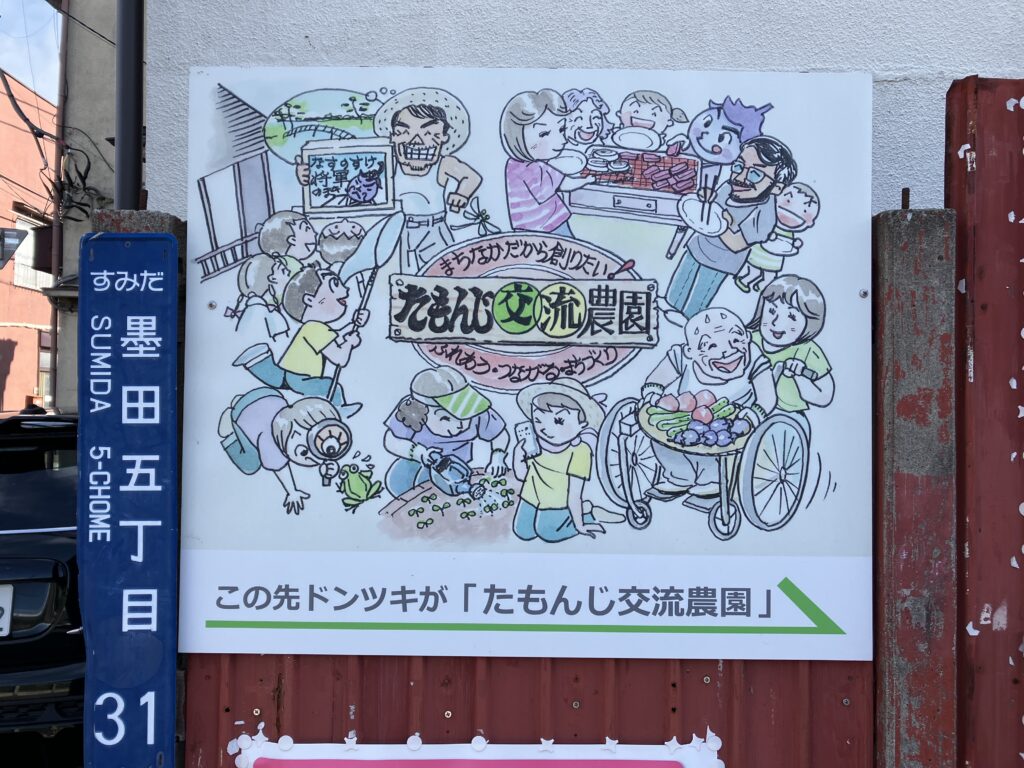
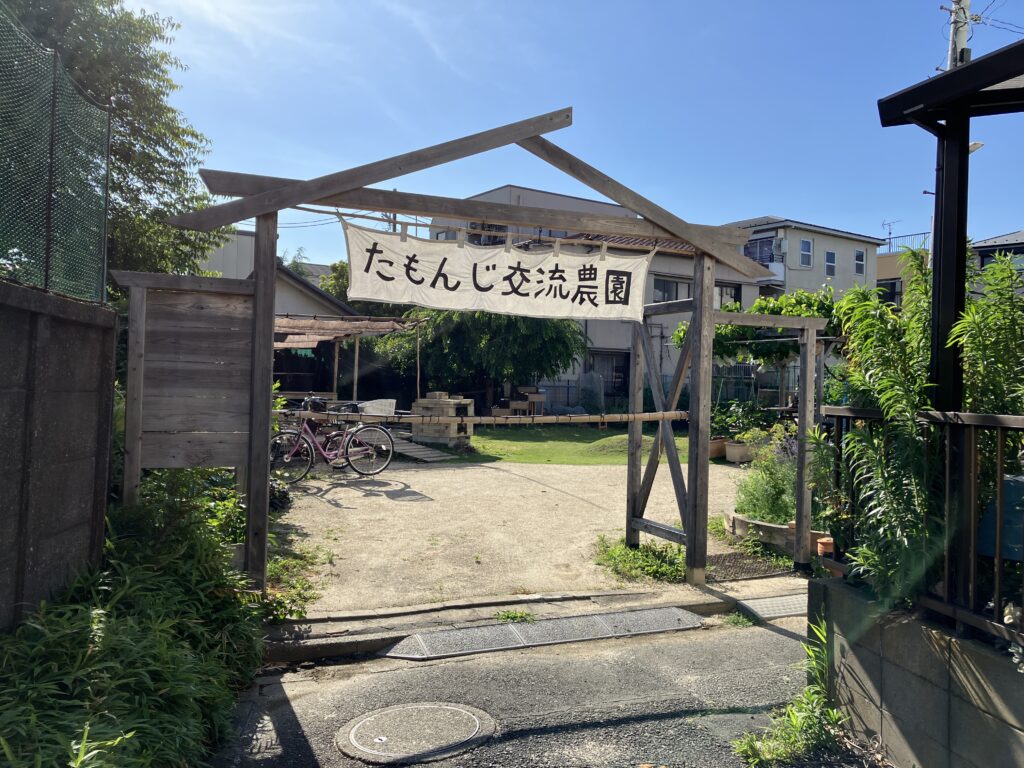


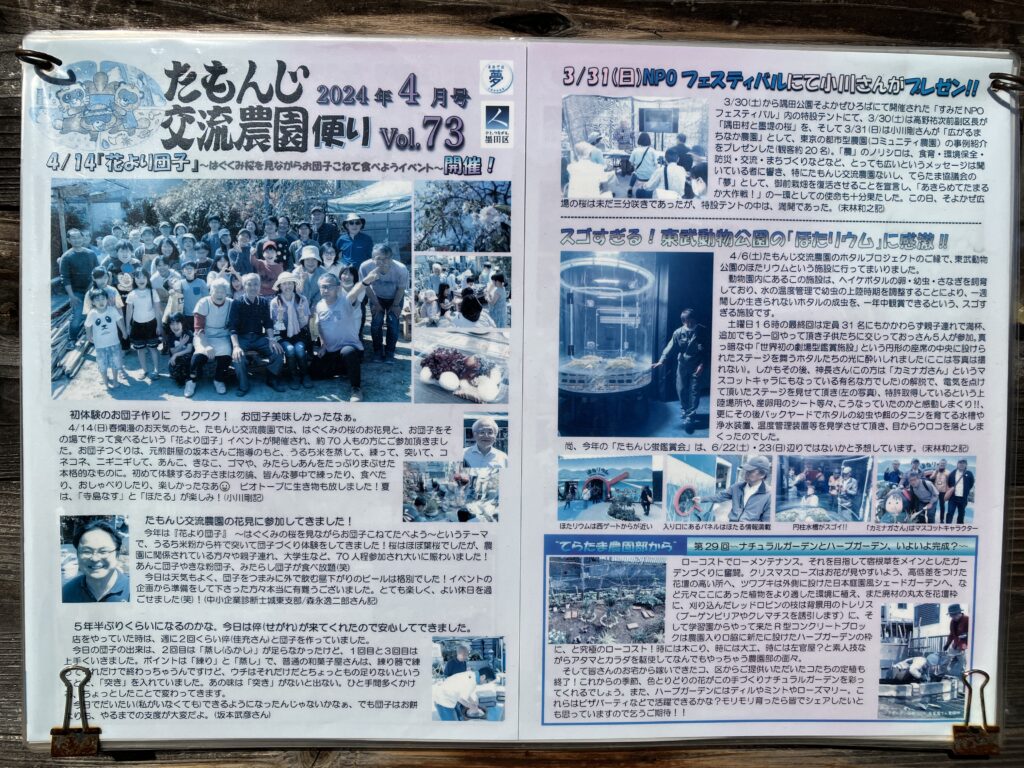
たもんじ交流農園
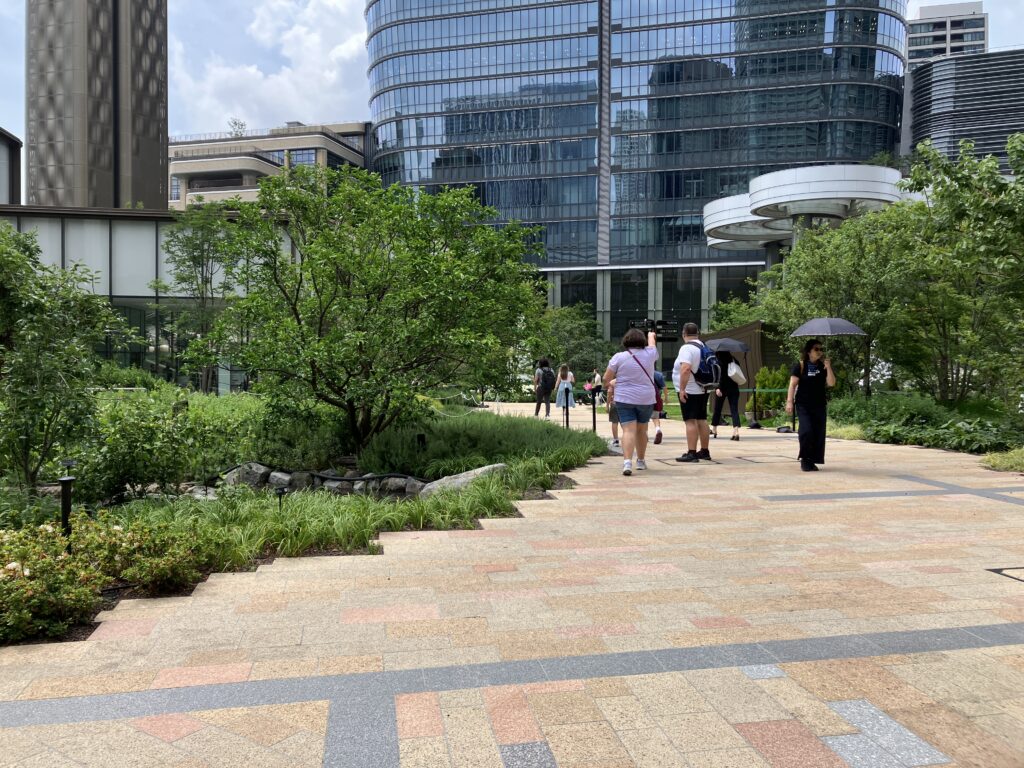
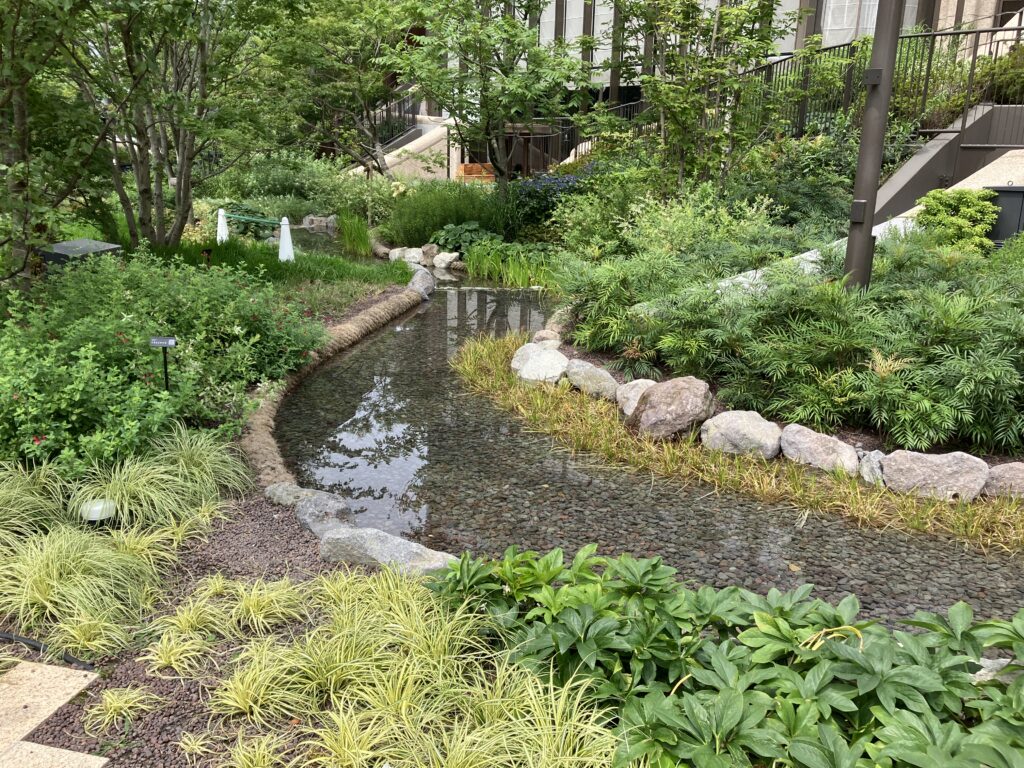

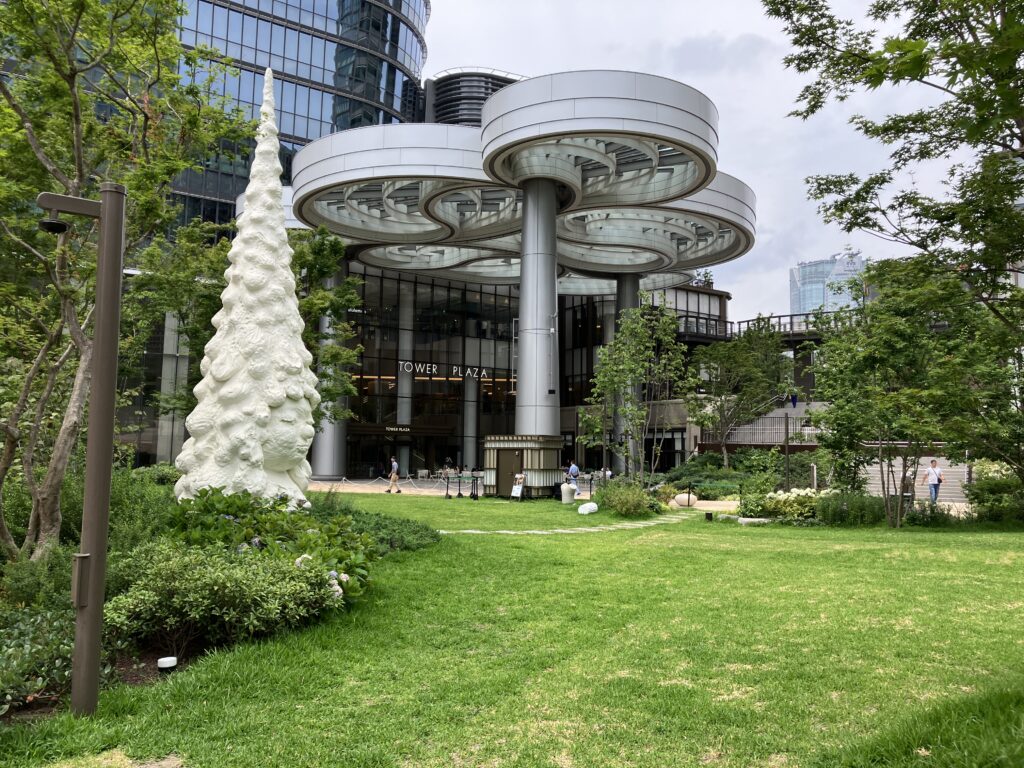
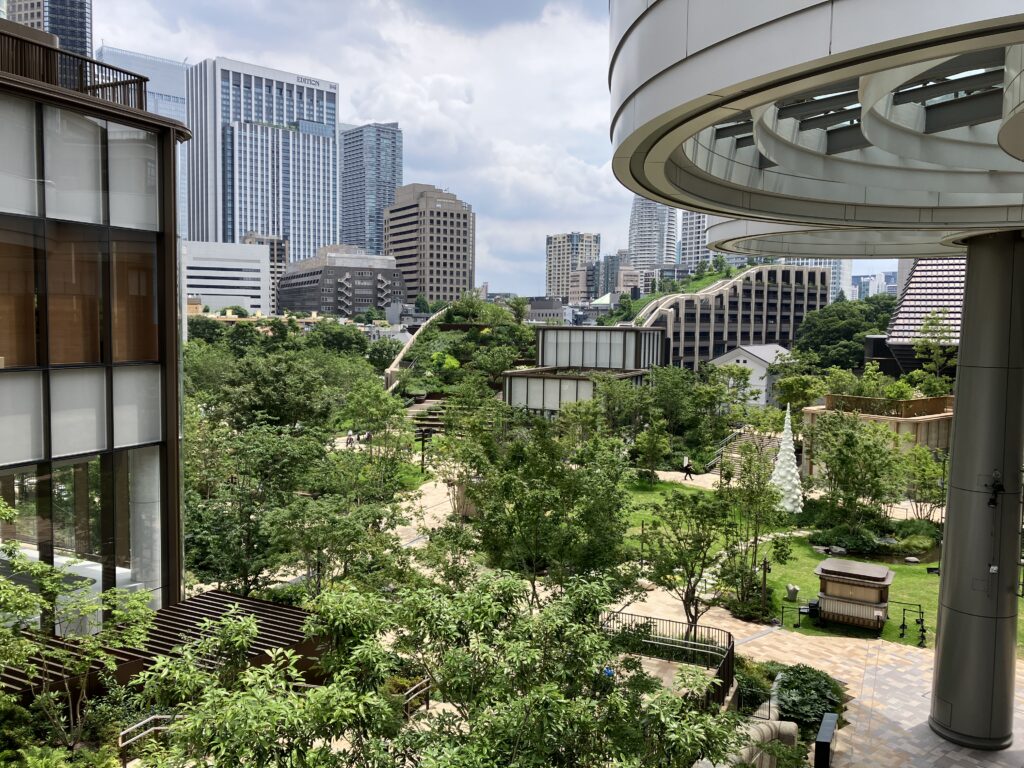
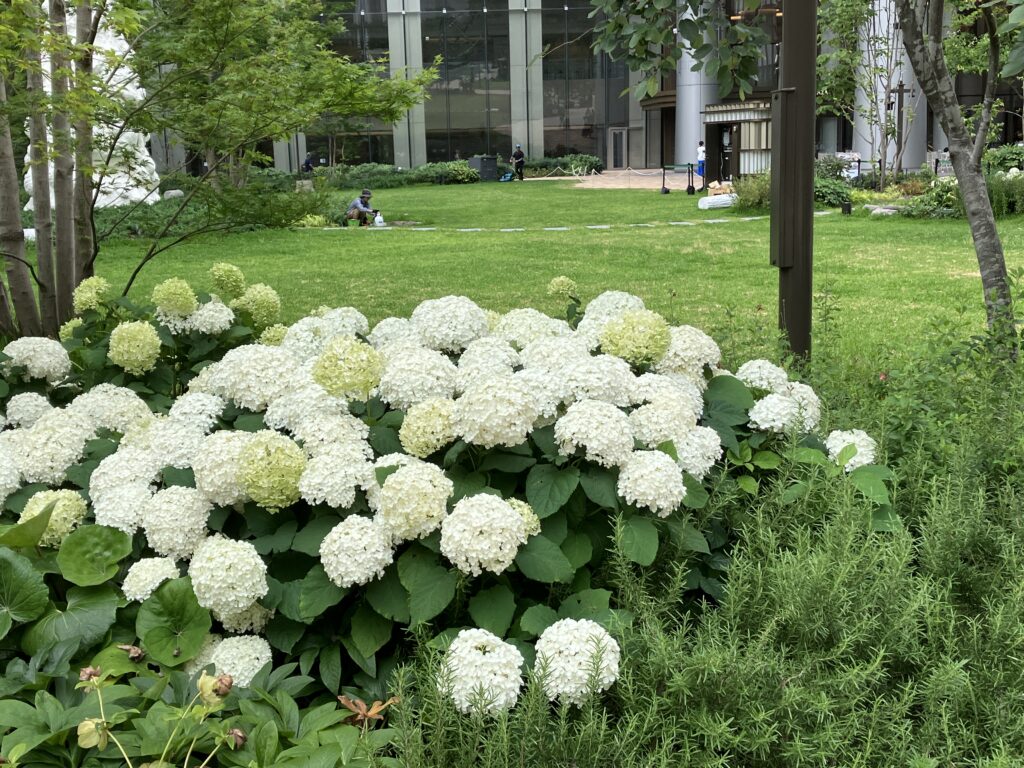

麻布台ガーデンヒルズプラザ
■大阪・京都・兵庫
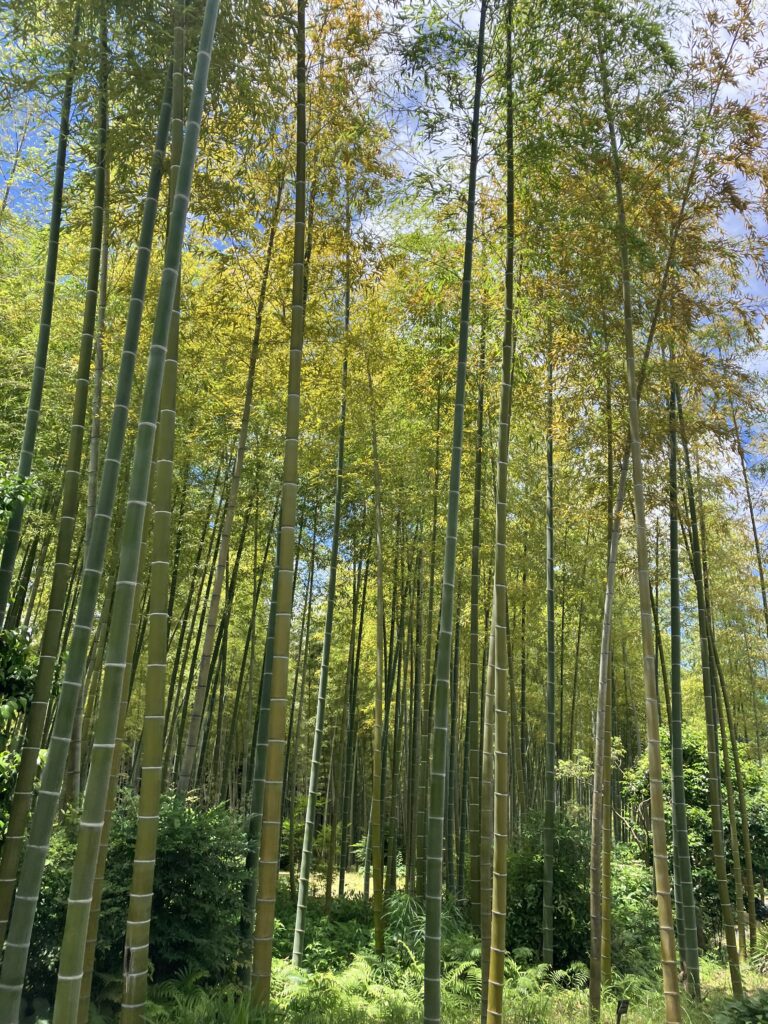

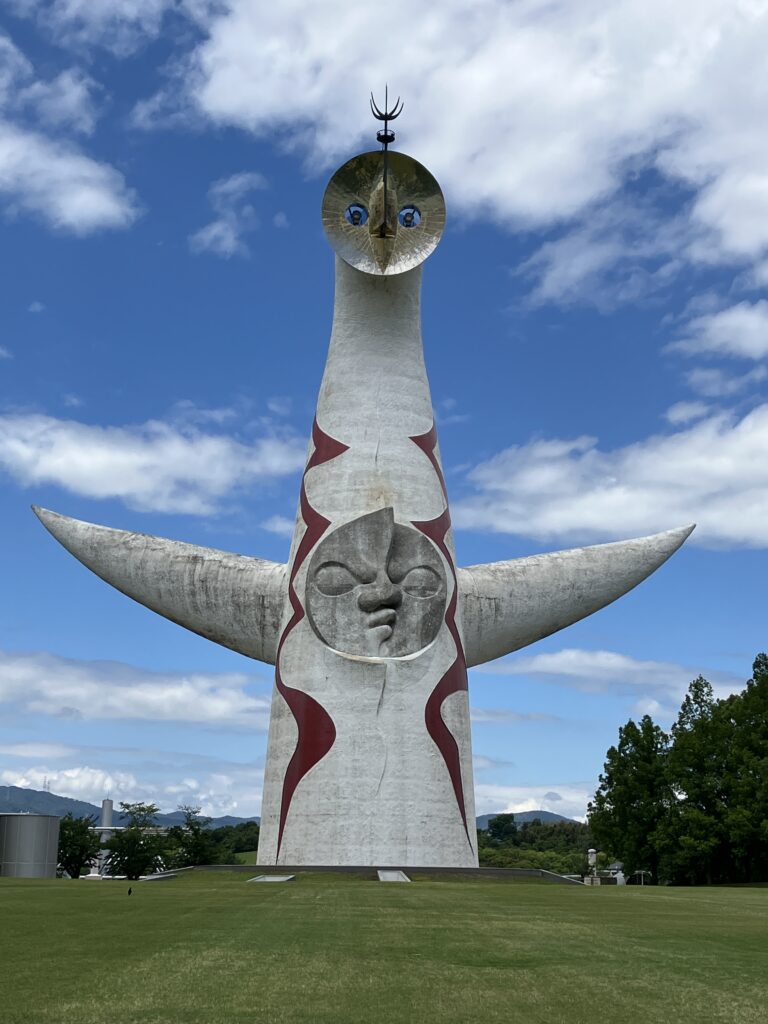
大阪万博公園・日本庭園
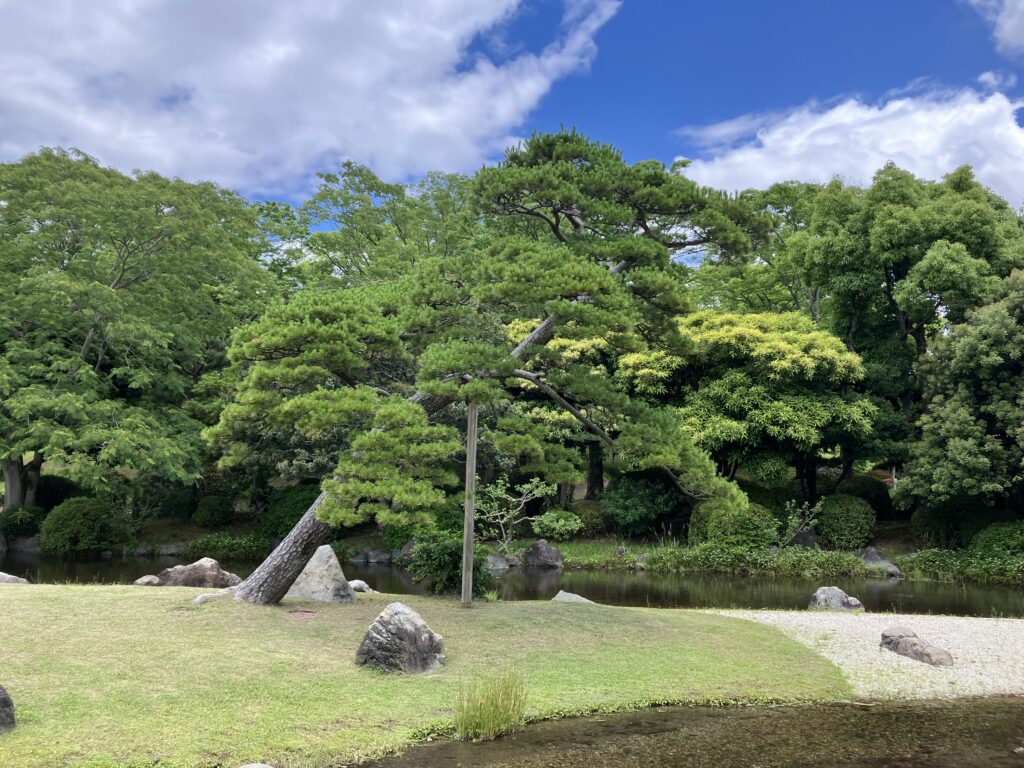
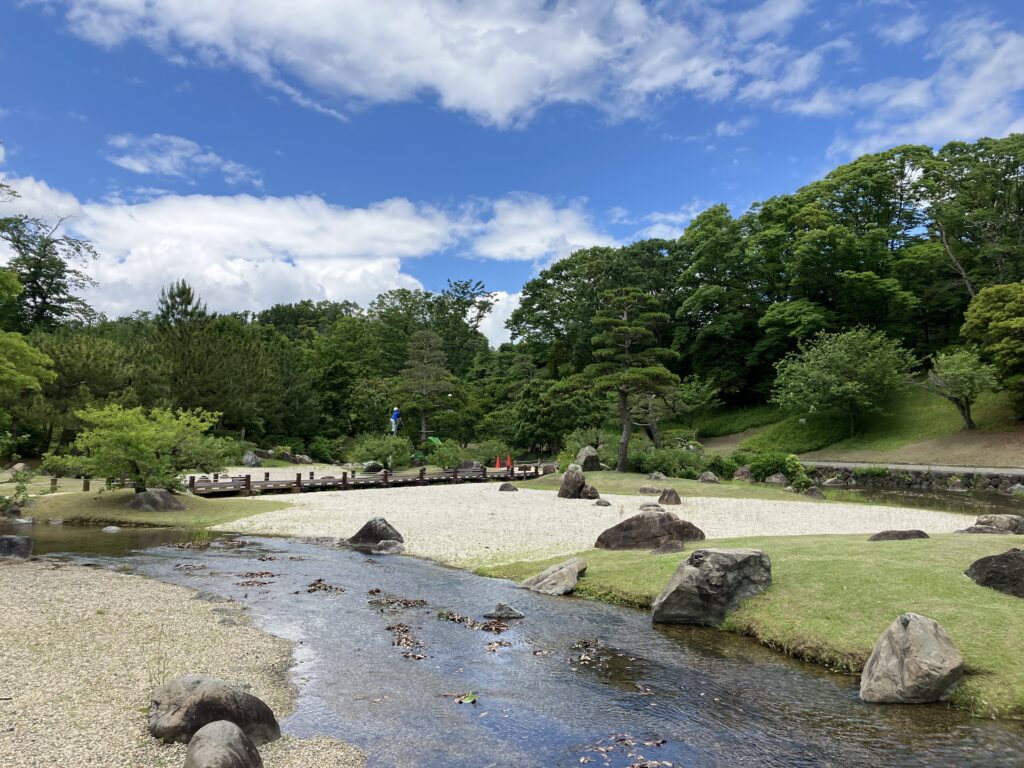
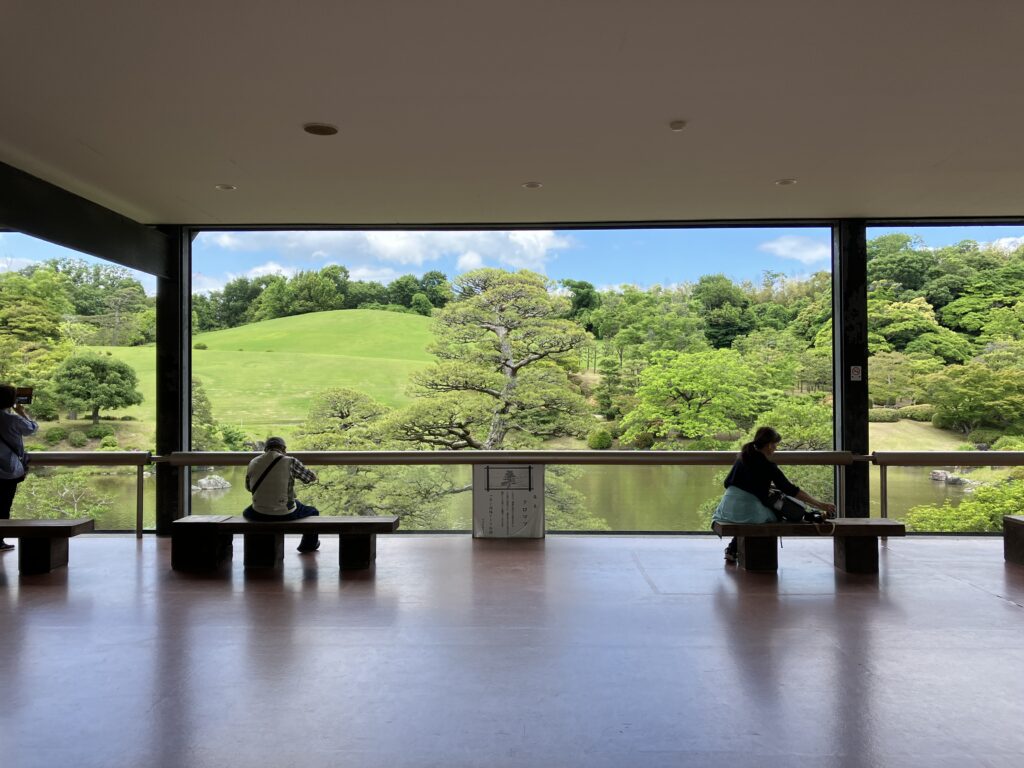
大阪万博公園・日本庭園


大阪城
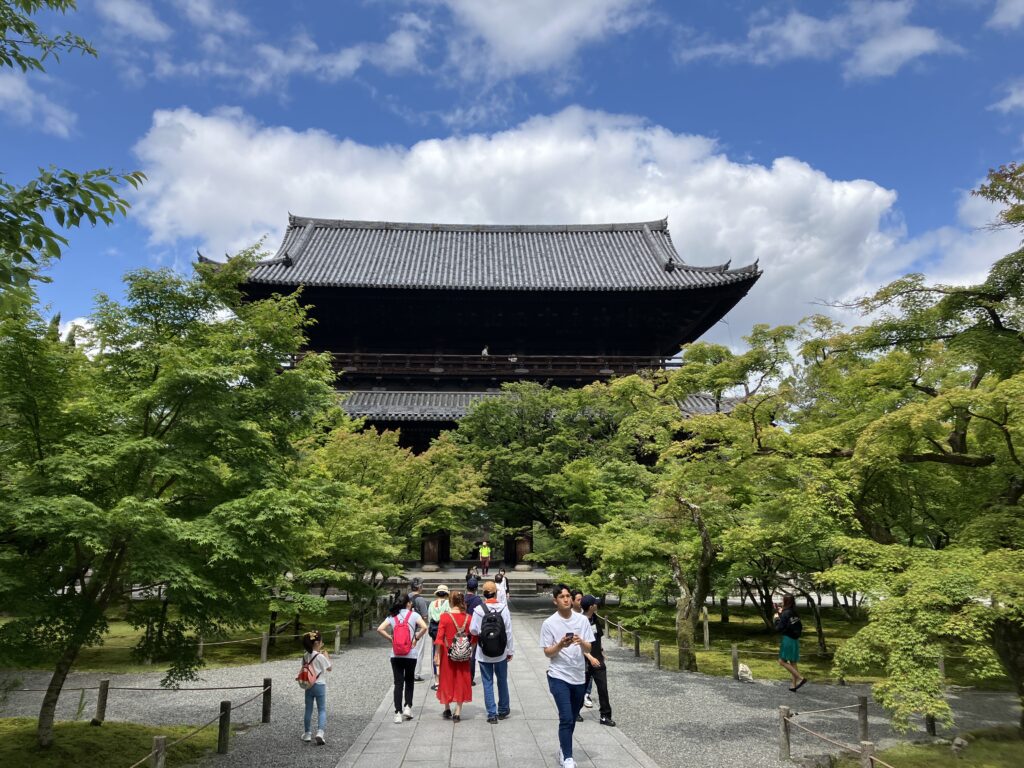

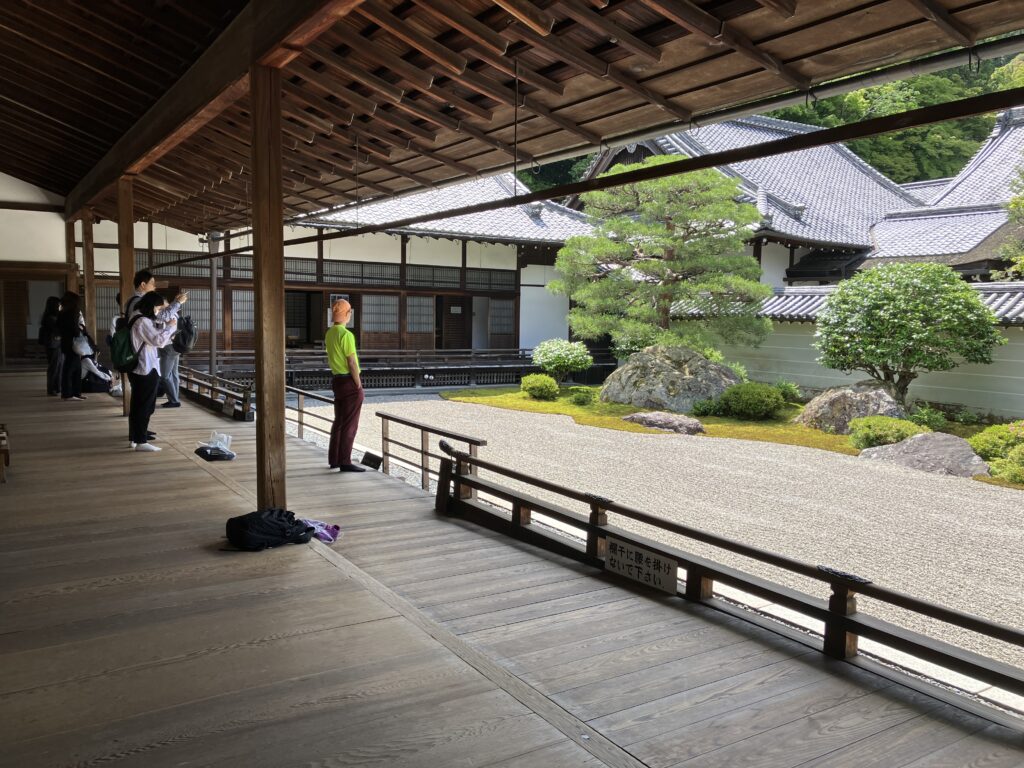
南禅寺・琵琶湖疎水の水道橋・方丈庭園

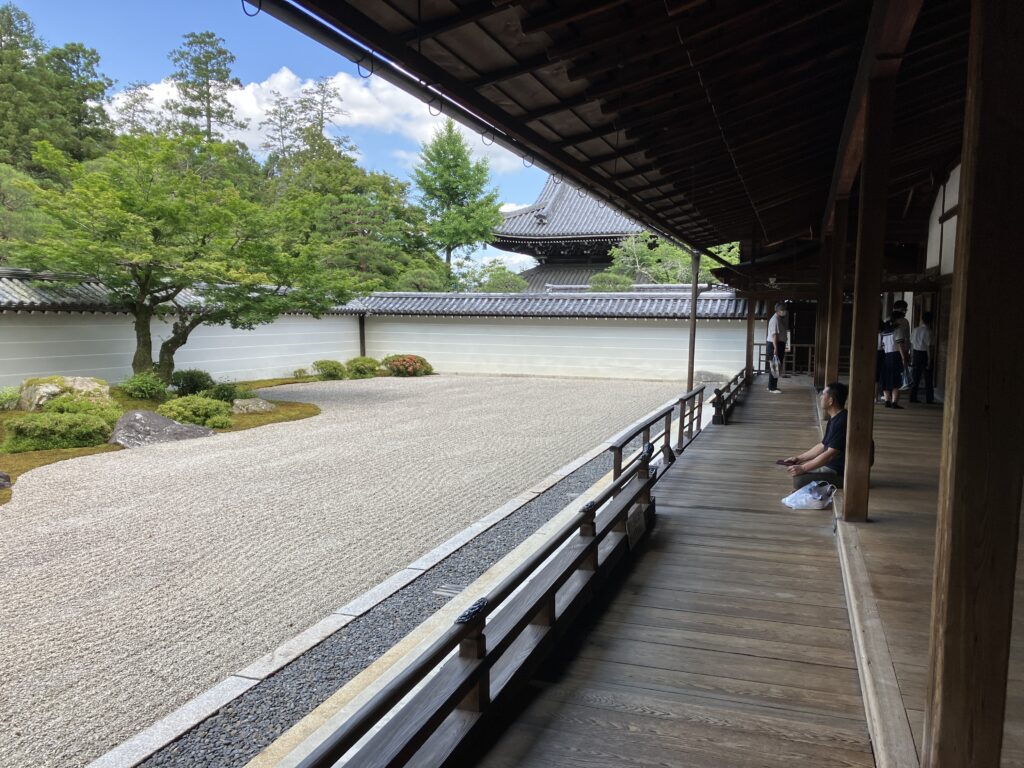

方丈庭園・清水寺
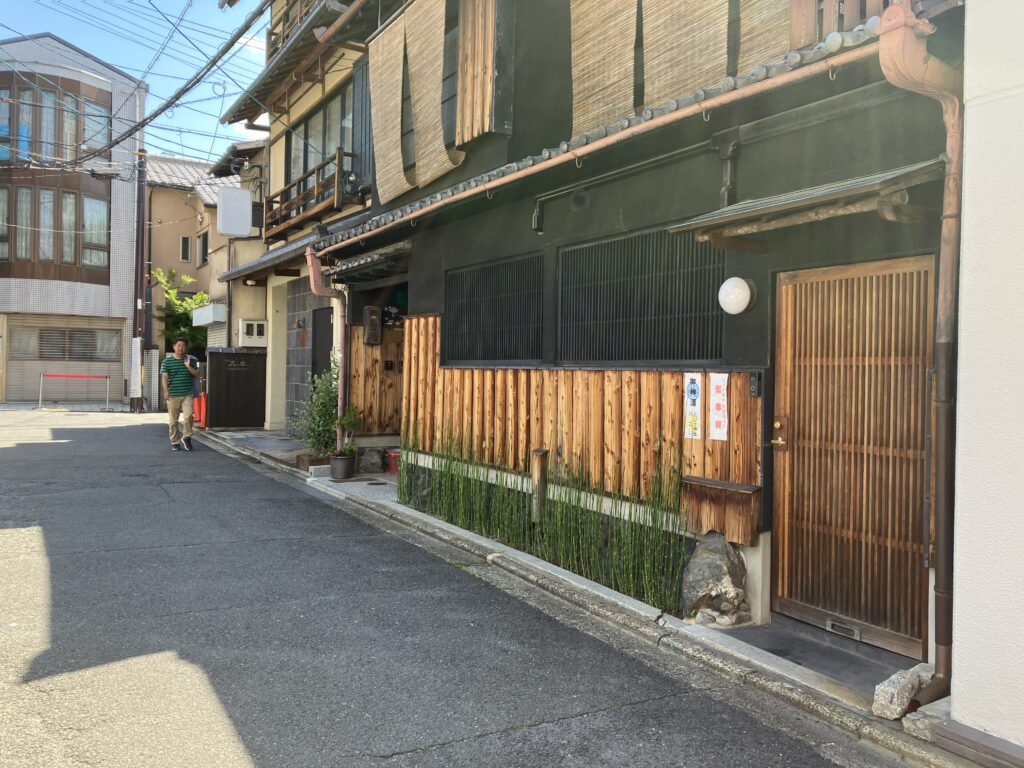

京都散歩・建仁寺垣・京都散歩
伏見稲荷大社の茅の輪くぐり・伏見稲荷大社
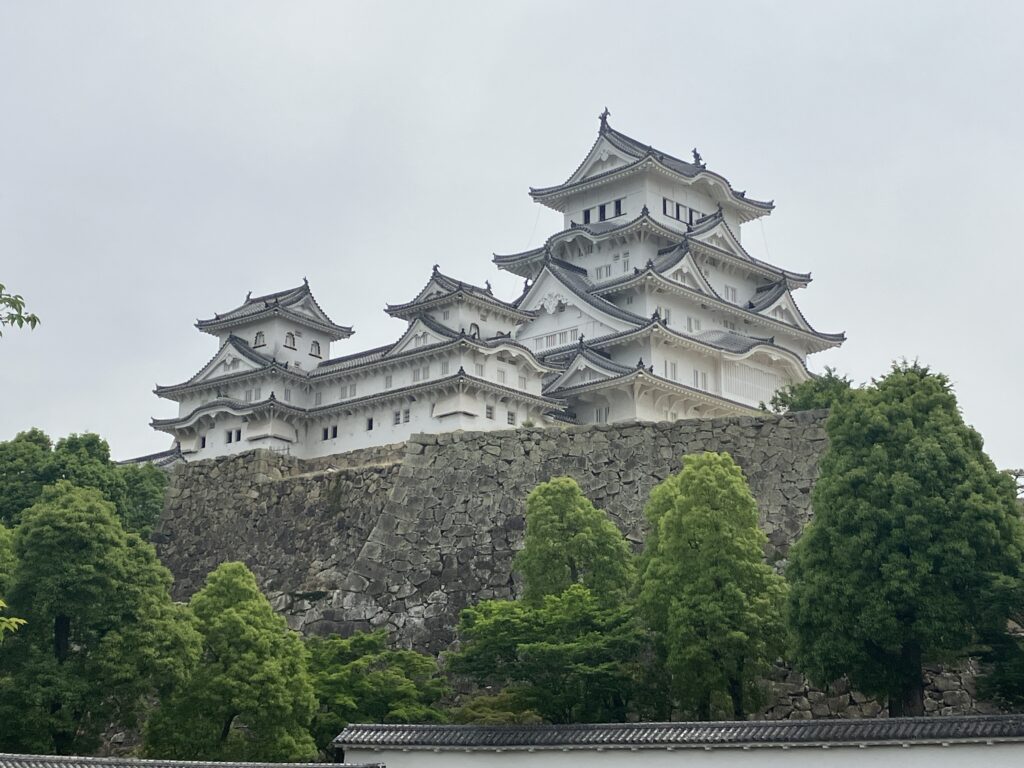
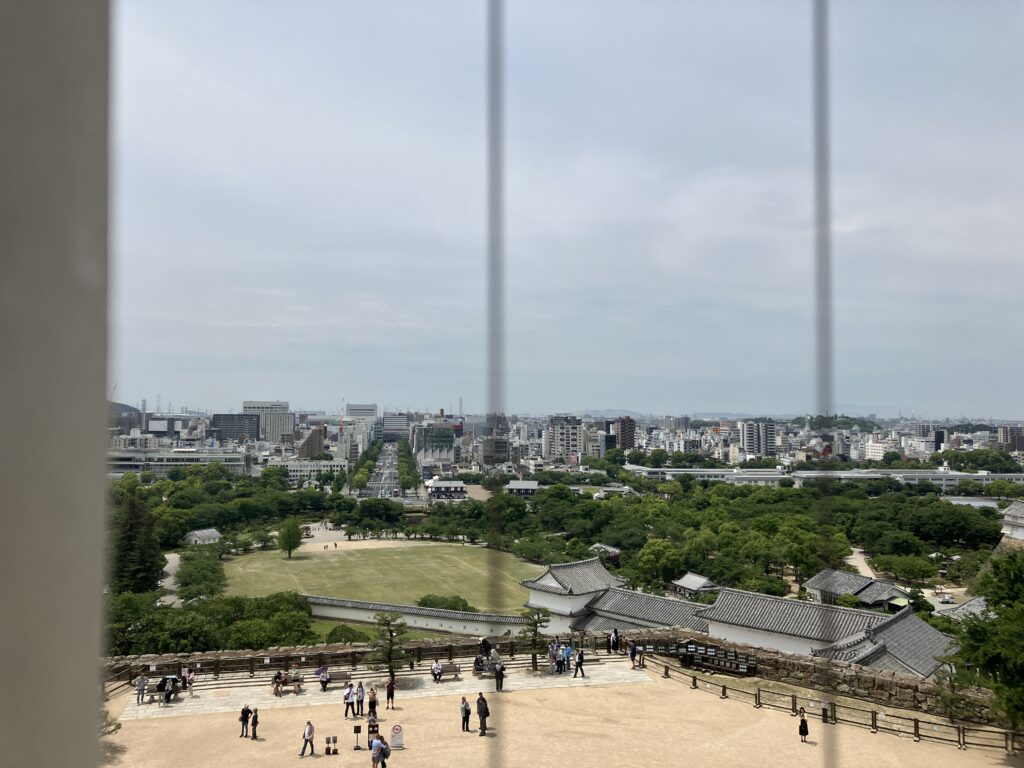
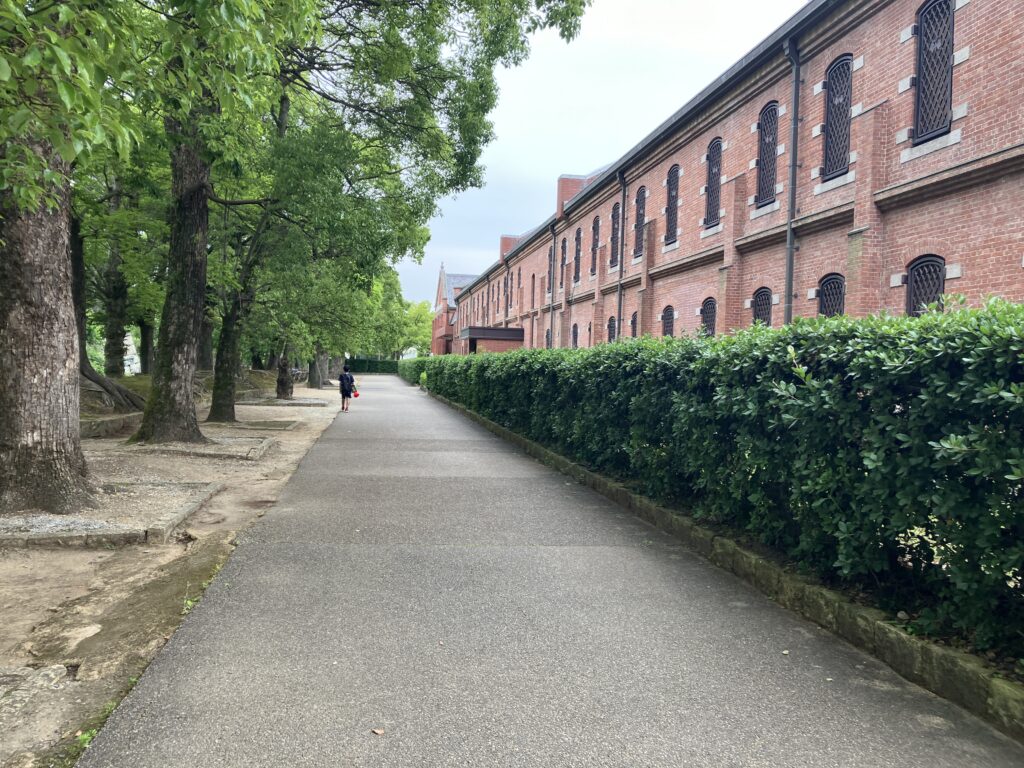
姫路城・姫路市立美術館
■テッポウユリやゲットウの花が咲き、こいのぼり掲揚、シーミー(清明祭)・・・
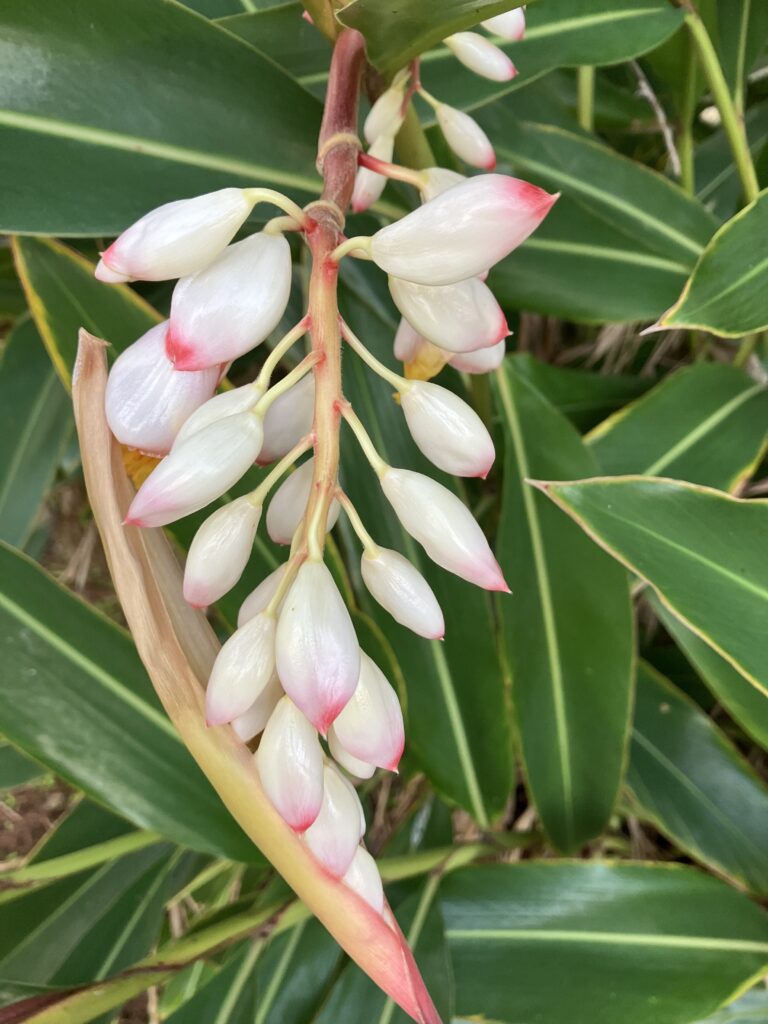
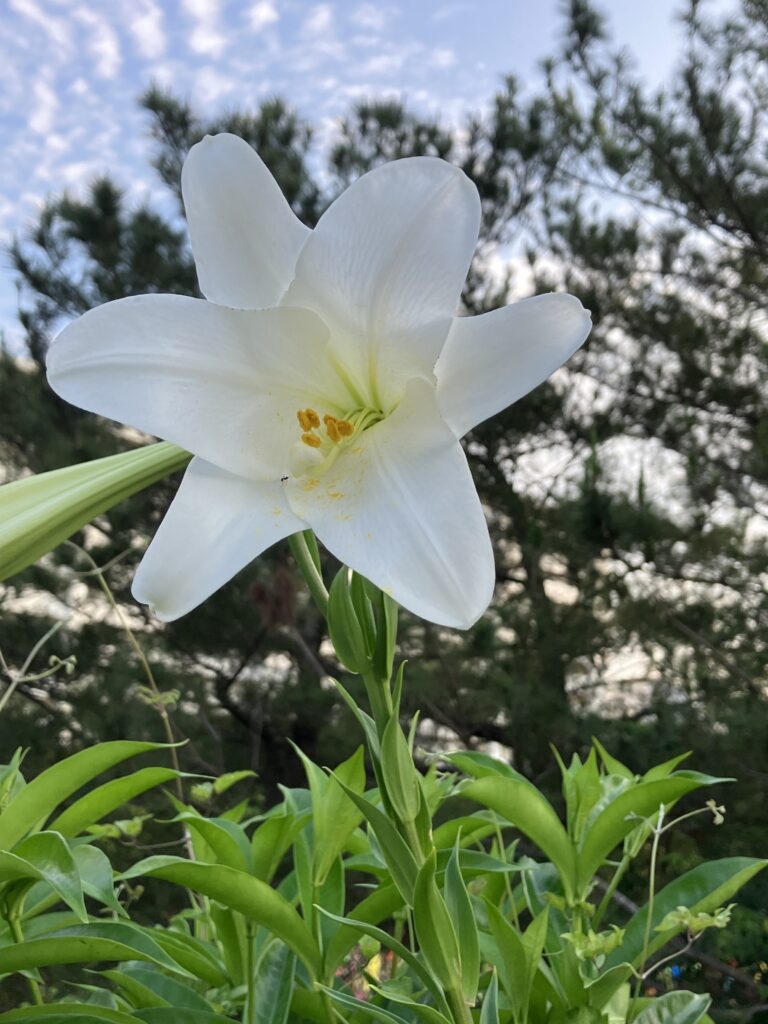

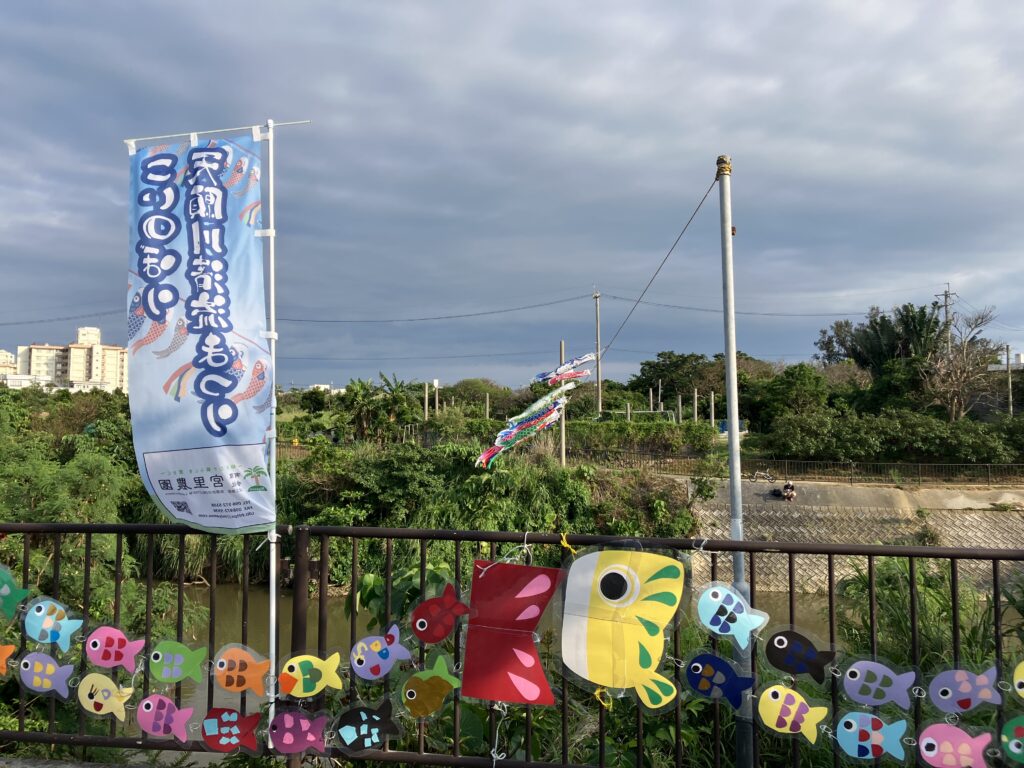
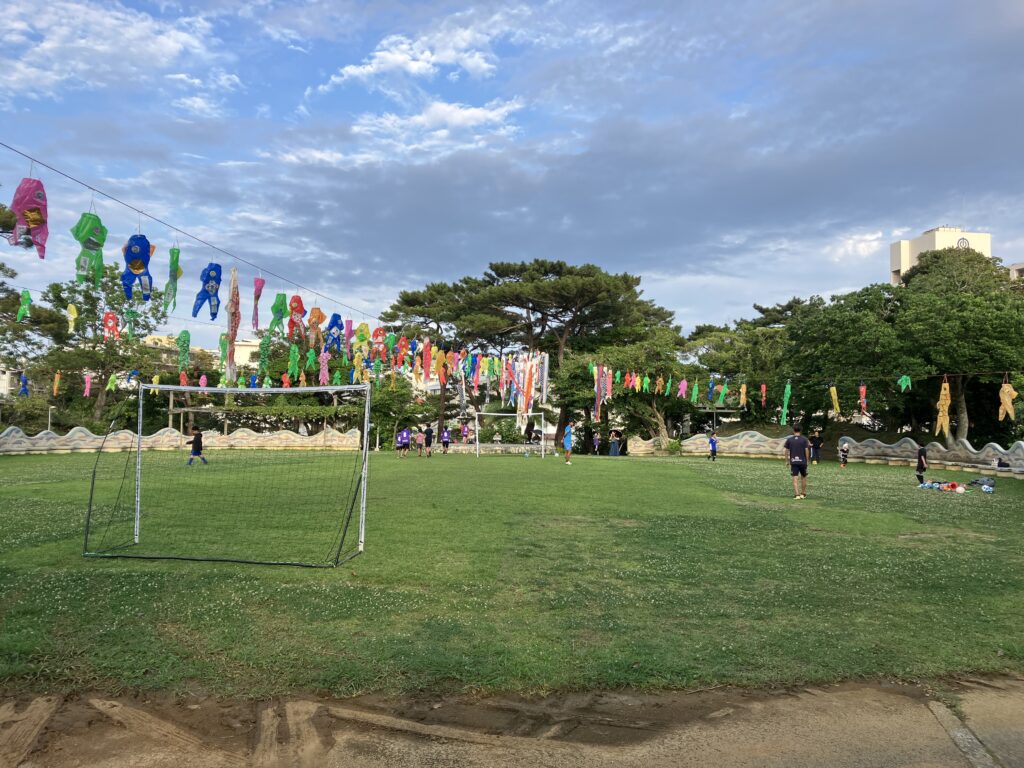

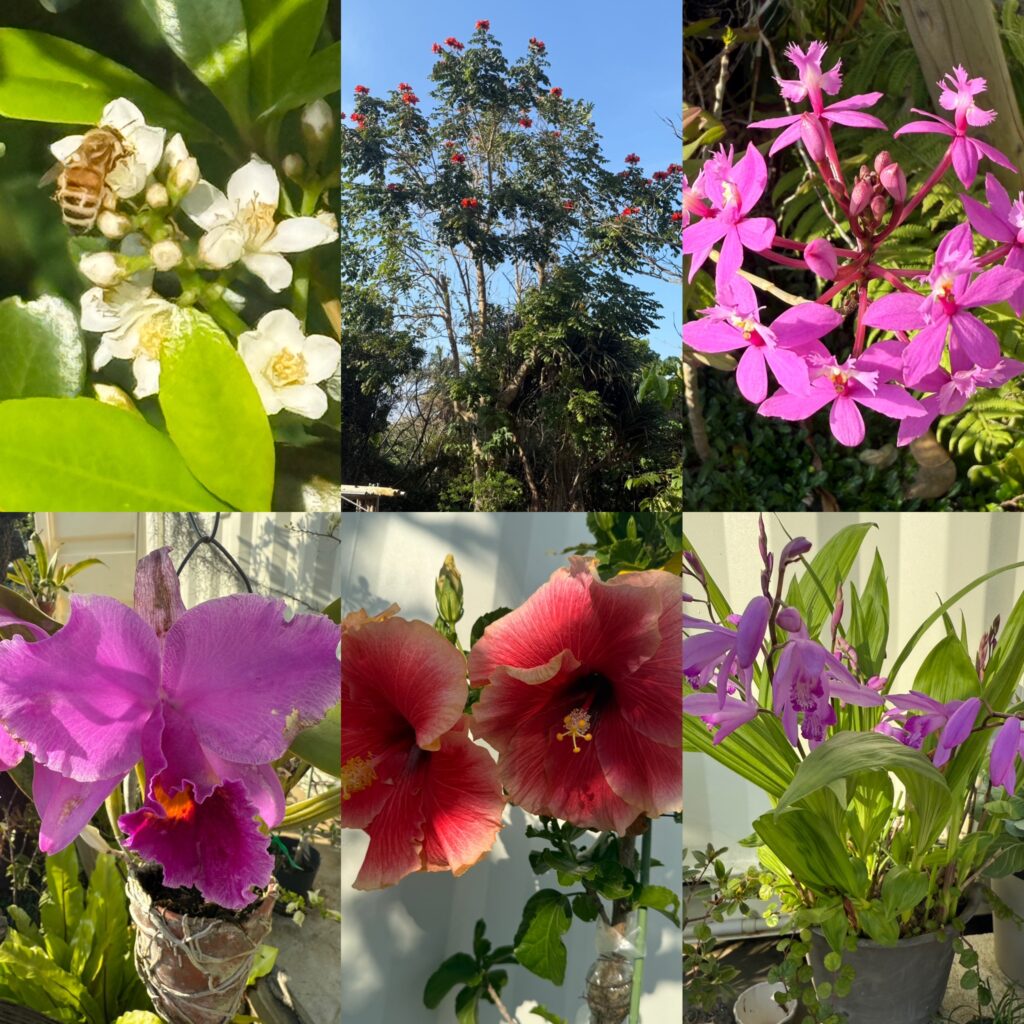
沖縄では「わかなつ(若夏)」。生命力の活力に満ち、緑が濃くなる時期です。「梅雨の中休み」とも言われています。テッポウユリやゲットウの花、デイゴの花が咲く時期でもあります。やんばるの国道58号沿道に白いテッポウユリが咲くと、シーミー(清明祭)を思い出す方もいるのではないでしょうか。ゴールデンウィークも始まり、こいのぼりがあっちこっちで掲揚されています。国頭村の奥、本部町漁港のかつおのこいのぼりは有名ですが、地域の子供たちによる手作りのこいのぼりを紹介します。うるま市の天願川のこいのぼりは地元の子供たちによる手作りこいのぼりと今回新調したこいのぼりが泳いでいます。浦添市の内間のこいのぼりも地元の子供たちが手作りしたこいのぼりと大きなこいのぼりが泳いでいます。ちなみに、人生の流れの中で難関を突破して立身出世してほしいという願いが込められているそうです。
■「ハルビーサー」、「ニンガチカジマーイ」、「ウリズン」、昔から季節を表す沖縄の言葉
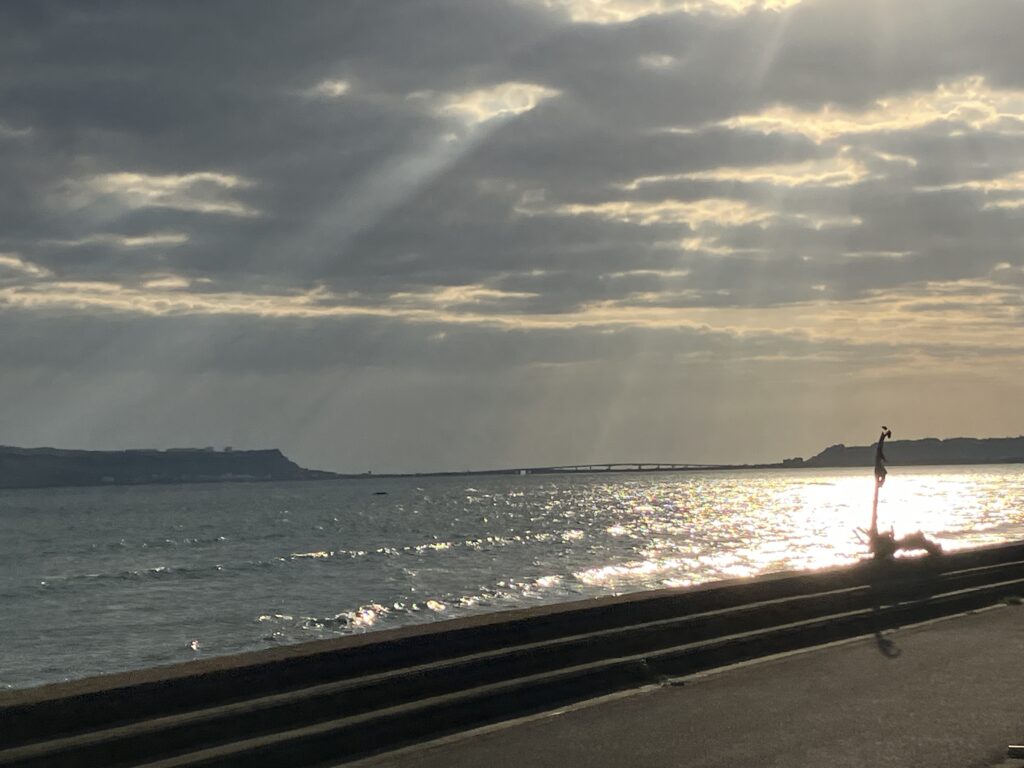
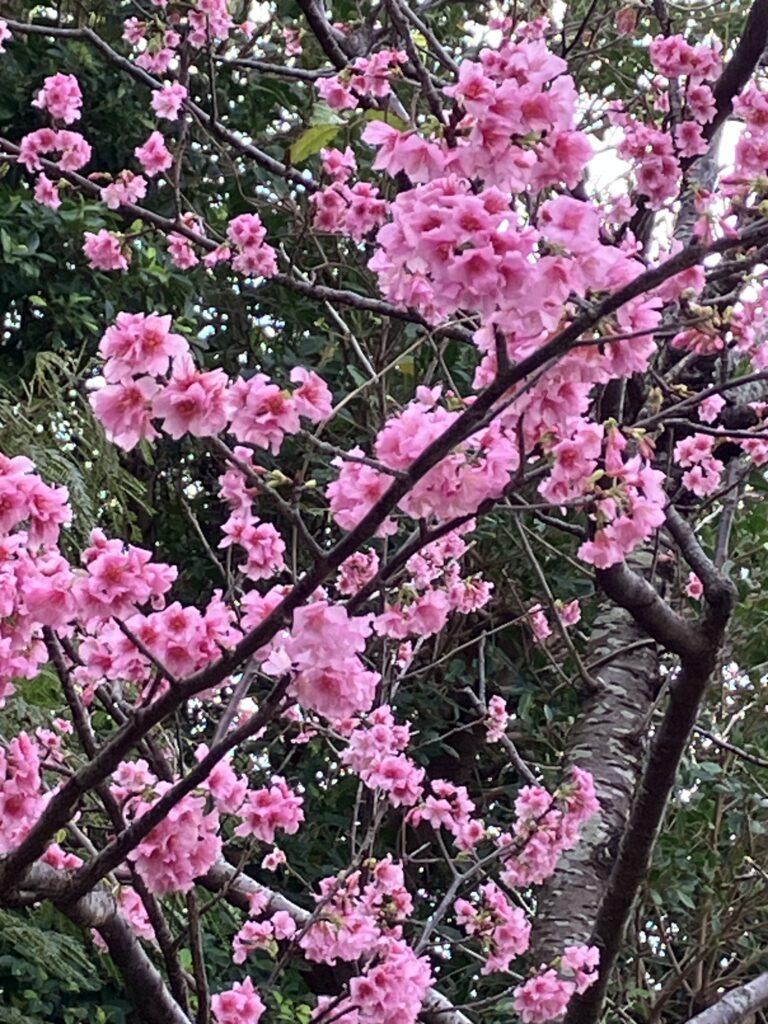
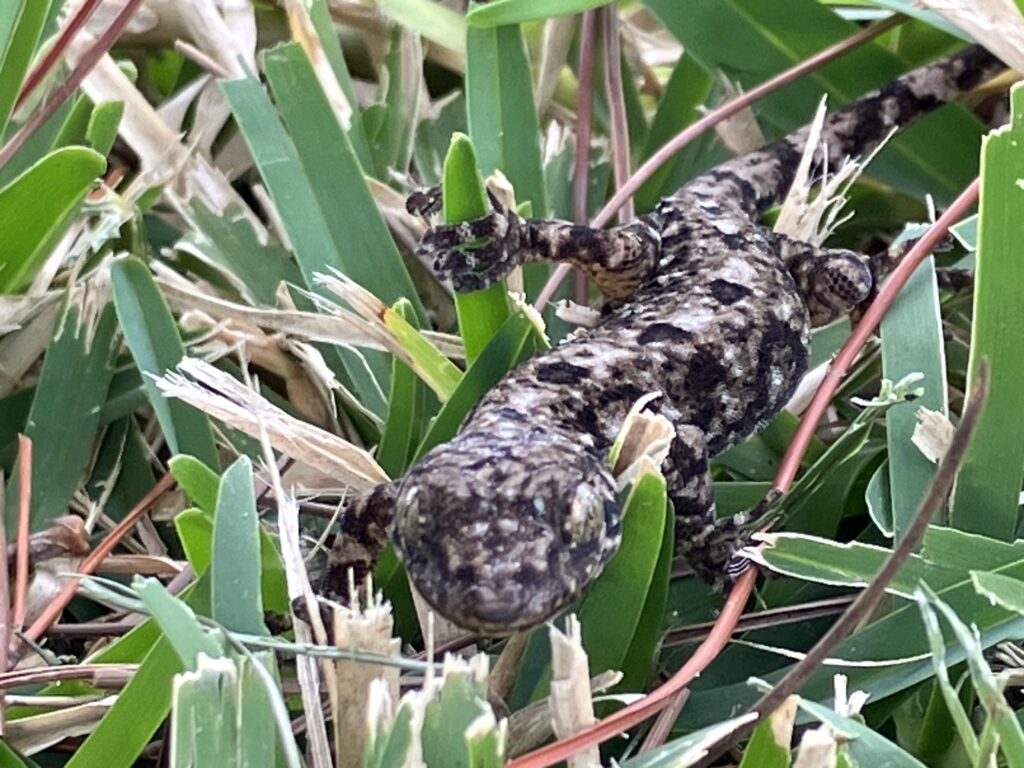
「青い海・空」、「常夏」として沖縄のイメージがありますが、「ミーニシ(新北風)」、「マハエ(真南風)」、「ウリズン(陽春)」など、沖縄には季節を表す言葉があります。「うちなーであそぼ」(NHK 沖縄放送局HP)、「オリオンストーリー」(オリオンビール株式会社HP)でも沖縄の季節を表す言葉が紹介されています。
寒い北風が吹く冬から暖かい春に移り変わる時期であり、植物や動物たちの活動も活発になっていく時期でもあります。今回はこの時期を表す言葉、「ハルビーサー」、「ニンガチカジマーイ」、「ウリズン」を紹介します。
○「ハルビーサー」
2月半ばの寒さのことです。沖縄の稲作は二期作で、2月上旬〜3月上旬ごろに田植えし、6月下旬頃に収穫となります。ちなみにウージ倒し(サトウキビ倒し)は12月〜3月で、地域によってはウージ倒しもみられます。沖縄の寒さを表す言葉のひとつ。
○「ニンガチカジマーイ(二月風廻り)」
冬至から約86日目の頃に天候が荒れる、冬の嵐のこと。気象庁から天気が変わりやすい注意喚起があります。沖縄の天候を表す言葉のひとつ。
気象庁:https://www.data.jma.go.jp/.../info_station/data/202102.pdf
○「ウリズン(陽春)」
2月下旬頃から4月下旬にかけての湿気を伴った天候のこと、春分から梅雨入りまでの時期と伝えられています。1年で最もさわやかな時期で、雨が降り大地が潤い、作物の芽が出はじめます。「潤い初(ぞ)め」が語源です。 沖縄では、この時期は一年で最も過ごしやすいと言われています。
参考:「沖縄自然探訪」(坂下光洋著、新星出版)、「うちなーであそぼ」(NHK 沖縄放送局HP:https://www.nhk.or.jp/okinawa/asobo/saijiki.html)、「オリオンストーリー」(オリオンビール株式会社HP:https://www.orionbeer.co.jp/story/okinawa-seasons/)
■令和6年能登半島地震に対する義援金の寄付について

このたびの石川県能登地方を震源とする大規模な地震において、 犠牲になられた方々に深く哀悼の意を表するとともに、 被災された皆様に心よりお見舞い申し上げます。 また、被災地における救命・救助、復旧・復興活動などに ご尽力されている方々に深く敬意を表します。
有限会社宮里農園では、被災された方々の救援や被災地の復興にお役立ていただくため、弊社及び社員有志から募った18万9千円を石川県に義援金として寄付(1月17日)いたしました。
被災地を中心に余震が続き、不安な日々が続いていることと 存じますが、皆様の安全と一日も早い復旧・復興をお祈りいたします。
■年末年始休暇のお知らせ
-1024x724.jpg)
日頃よりご利用いただきありがとございます。
有限会社 宮里農園では、年末年始休暇の期間を以下の通りとさせていただきます。
ご不便をお掛け致しますが、何卒ご了承くださいますようお願い申し上げます。
記
<年末年始休業期間>
2023年12月29日(金)~2024年1月3日(水)
※2024年1月4日(木)9:00より通常営業とさせていただきます。 年末年始休暇期間中にいただきましたお問い合わせにつきましては、2024年1月4日(木)より順次ご連絡させていただきます。
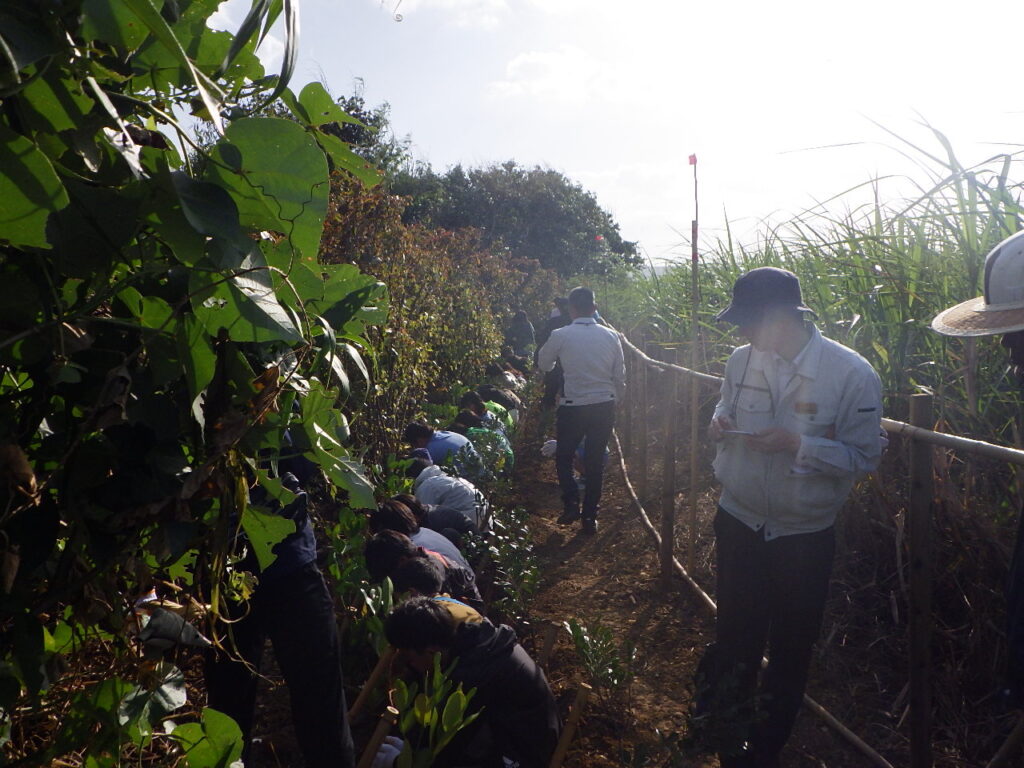
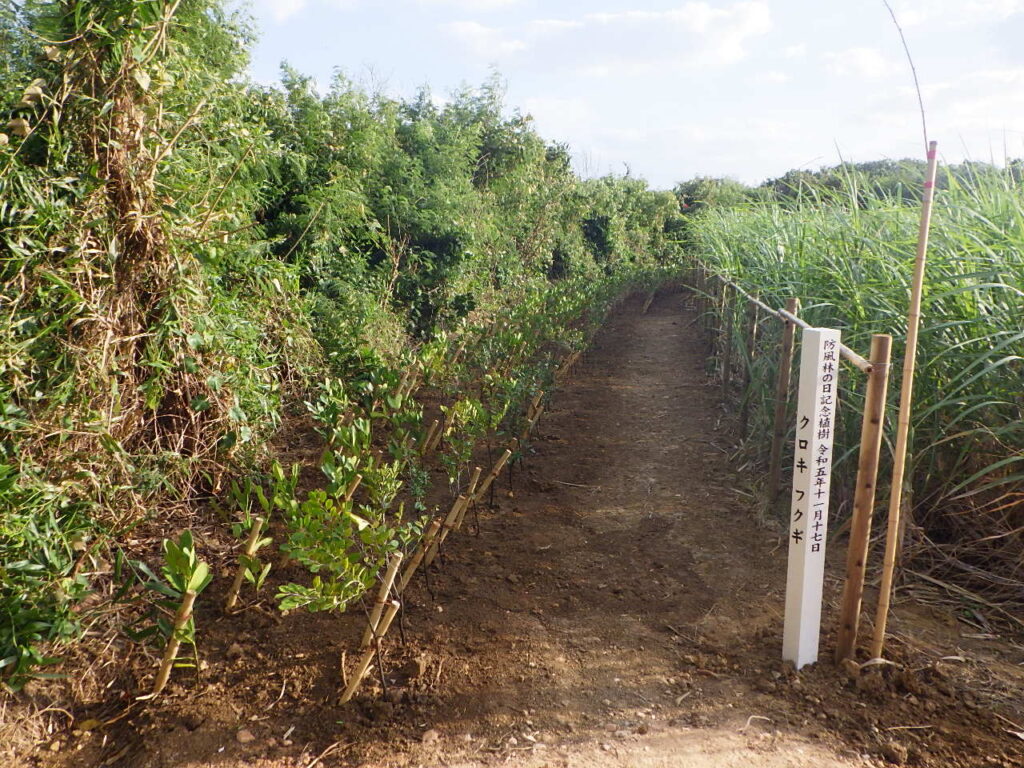

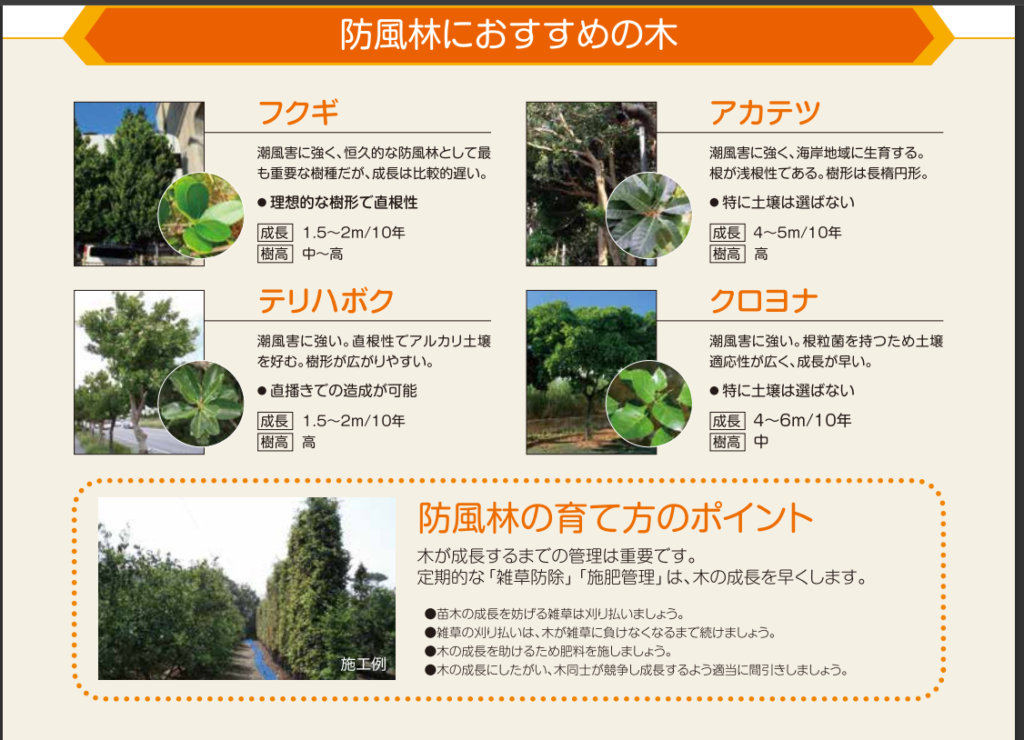
海に囲まれた島しょの沖縄において、農作物や家屋などを台風や季節風などの強風から守ることは重要です。防風林は私たちの生活を守っている役割を果たしています。
沖縄県では毎年11月の第4木曜日を「防風林の日」とし、全県的な防災農業の推進に取り組んでいます。
防風・防潮林設置の重要性をPRするため、植樹大会の実施、優良モデル地域の紹介(沖縄県防災農業賞の表彰)、防風林ポスター原画コンクールの実施などを行っています。
記念植樹として、令和5年11月17日、うるま市(伊計島)でクロキとフクギを植樹しました。植樹祭には弊社も参加させていただきました。
※「防風林の効果」、「防風林におすすめの木」は沖縄県農林水産部糖業農産課ホームページより


令和5年10月18日(水)~10月20日(金) 3日間の日程で、沖縄県立中部農林農業高等学校 造園科2年生の生徒3名がインターンシップに来ていただきました。
樹木の枝剪定、樹木の掘取り(根巻き)・植付け、除草作業(刈払機による草刈り)等を体験していただきました。
造園現場の一部を見ていただき、現場の雰囲気、造園の仕事内容など、インターンシップを通じて理解していただけたのではないかと思っています。
また、参加した高校生からは「今回の実習のほとんどが初めての経験で、丁寧にご指導をいただき、ありがとうございました」とコメントを頂き、貴重な経験になったのではないかと思っています。
今回のインターンシップが今後の進路選択の参考になっていただければ幸いです。